Attendance at the FSS and CEO Meeting on the 12th
Electronic Payment Gateway (PG) companies announced on the 13th that they requested the Financial Supervisory Service (FSS) during a meeting with CEOs of 10 electronic financial companies on the 12th to consider separating the payment and settlement business as a distinct area under the Electronic Financial Transactions Act for management and supervision.
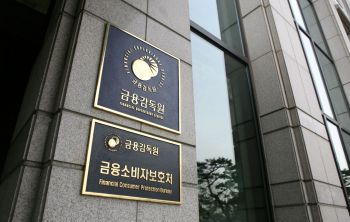 Financial Supervisory Service, Yeouido, Yeongdeungpo-gu, Seoul. Provided by Financial Supervisory Service
The day before, the FSS held a meeting at the Naver Financial headquarters in Seongnam, Gyeonggi Province, with Lee Geun-joo, Chairman of the Fintech Industry Association, and CEOs of 10 major electronic financial companies. This was the first CEO meeting of electronic financial companies since the establishment of the Electronic Financial Supervision Bureau and Electronic Financial Inspection Bureau. From the FSS, Lee Jong-oh, Deputy Director of Digital & IT, and the heads of the Electronic Financial Supervision and Inspection Bureaus attended. From the PG industry, Park Jun-seok, CEO of NHN KCP, Lim Han-wook, next CEO of Toss Payments, Kim Kwang-chul, CEO of Nice Payments, and Moon Byung-rae, CEO of PayUp participated.
At the meeting, the PG industry shared opinions on practical difficulties and improvement measures related to the electronic payment and settlement industry. They first expressed their willingness to actively participate in the FSS’s supervision and inspection of electronic financial businesses and to comply with self-regulatory proposals. They promised to prioritize consumer protection in their operations.
However, given the unprecedented settlement delays caused by the 'Timf (Timon·Wemakeprice) incident,' which led to an unexpected crisis, they requested that market participants also share responsibility. At the time of the Timf incident, PG companies proactively issued refunds in advance for general payment transactions excluding travel products to protect consumers, suffering significant financial damage. They emphasized the need to continue discussions on loss-sharing with market participants within the payment and settlement process until the Timf unsettled payments issue is fully resolved.
The PG industry conveyed the opinion that roles and responsibilities (R&R) with credit card companies should be specifically defined and accountability clearly established. The PG industry claimed, "Before the Timf incident, credit card companies earned huge profits from related promotions but consistently maintained that they had no responsibility for loss-sharing."
They also stated that in determining appropriate PG fees, they only received unilateral notifications from credit card companies. The PG industry said, "Whenever credit card companies reduce fees for small and medium-sized merchants, they increase fees for general merchants and PG fees. If this situation repeats, the relationship between electronic financial companies and credit providers will continue to deteriorate, making it difficult to establish a normal value chain in the e-commerce industry."
The PG industry argued that since nearly 20 years have passed since the enactment of the Electronic Financial Transactions Act in 2007, the system needs to be supplemented. They insisted that PG companies and Value-Added Network (VAN) operators are no longer just affiliates handling some of the credit card companies’ tasks. As electronic payment methods such as simple payments and prepaid cards have expanded, they requested the authorities to reflect this.
The PG industry stated, "To flexibly respond to the rapidly changing digital financial environment, consideration should be given to separating and supervising the payment and settlement business as a distinct area under the Electronic Financial Transactions Act." They also requested, "Please enhance the competitiveness of the payment and settlement industry through flexible institutional improvements such as allowing white labeling to expand the prepaid business market and diversifying financial products according to the settlement deposit method."
© The Asia Business Daily(www.asiae.co.kr). All rights reserved.

















