Type A Has 16% Higher Risk of Stroke
Type O Has 12% Lower Risk of Stroke
A study has found that people with certain blood types have a higher risk of experiencing early stroke. On the 8th (local time), the New York Post reported that researchers at the University of Maryland (UMD) announced findings that people with blood type A are more likely to experience early ischemic stroke caused by blocked blood flow to the brain.
 A study has found that people with a specific blood type have a higher risk of experiencing early stroke. On the 8th (local time), the New York Post reported that researchers at the University of Maryland (UMD) announced findings that individuals with blood type A are more likely to experience early ischemic stroke caused by blocked blood flow to the brain. Pixabay
Co-lead researcher and neurologist at UMD Medical Center, Dr. Steven J. Kittner, and his team analyzed data from 48 genetic studies involving 17,000 stroke patients and about 600,000 healthy individuals who had never experienced a stroke. Participants were aged between 18 and 59. Their genetic profiles revealed a correlation between early stroke and chromosomes containing genes that determine blood types A, AB, B, and O.
The researchers found that people with blood type O had a 12% lower risk of stroke compared to other blood types. Conversely, individuals with blood type A, which accounts for about 36% of Americans, had a 16% higher risk of early stroke. Dr. Kittner explained, "The reason why blood type A is associated with a higher risk of early stroke is not yet clear, so further follow-up studies are needed," adding, "It is likely related to blood clotting factors such as platelets, cells lining blood vessels, and other circulating proteins. These play a role in thrombus formation." Thrombi block blood flow to the brain and are considered a major cause of ischemic stroke.
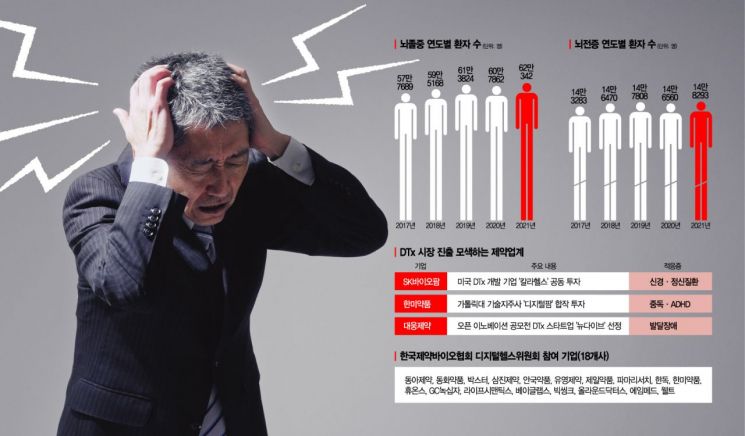 Stroke is a serious disease ranked as the fourth leading cause of death among Koreans. Without prompt treatment, it can leave sequelae such as hemiplegia, speech impairment, visual disturbances, facial paralysis, and decreased consciousness. Major risk factors for stroke include hypertension, diabetes, hyperlipidemia, smoking, and excessive alcohol consumption. Obesity and lack of exercise can also increase the risk of stroke. Asia Economy
Previous studies have also shown that people with blood type A have a higher likelihood of developing deep vein thrombosis, a condition where blood clots form in the legs. Stroke is a serious disease ranked as the fourth leading cause of death among Koreans, and if not treated promptly, it can leave sequelae such as hemiplegia, speech impairment, visual disturbances, facial paralysis, and decreased consciousness. Major risk factors for stroke include hypertension, diabetes, hyperlipidemia, smoking, and excessive alcohol consumption, while obesity and lack of exercise can also increase stroke risk.
Furthermore, although stroke occurs more frequently in the elderly aged 65 and above, the incidence of stroke among young adults is increasing worldwide. In the United States, the incidence rate of ischemic stroke among adults aged 20 to 44 surged from 17 per 100,000 population in 1993 to 28 per 100,000 in 2015.
© The Asia Business Daily(www.asiae.co.kr). All rights reserved.
![From Bar Hostess to Organ Seller to High Society... The Grotesque Con of a "Human Counterfeit" [Slate]](https://cwcontent.asiae.co.kr/asiaresize/183/2026021902243444107_1771435474.jpg)

















