"Difficult to See a Need to Keep the Contents Confidential," Court Rules
When the prosecution decides not to indict in a criminal complaint case, it has been determined that there is a need to disclose the suspect interrogation records for the complainant's response.
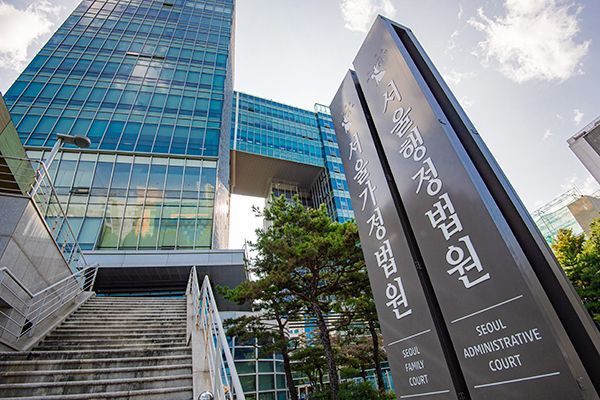
On the 3rd, according to the Seoul Administrative Court, Judge Yoon Sang-il of the Administrative Division 5 ruled in favor of the plaintiff in a lawsuit filed by Mr. A against the Seoul Central District Prosecutor's Office seeking cancellation of the refusal to disclose information.
Mr. A filed a complaint with the police against Mr. B on charges of special assault, but a decision not to prosecute was made. Subsequently, Mr. A filed an objection, and the case was transferred to the Seoul Central District Prosecutor's Office, but the prosecutor decided not to indict Mr. B due to "insufficient evidence and no charges."
Mr. A then requested disclosure of investigation records, including the complaint, complainant's statement, witness statements, suspect interrogation records, and reasons for non-prosecution. However, the head of the Seoul Central District Prosecutor's Office disclosed only some documents such as the complaint and complainant's statement, deciding not to disclose the suspect interrogation records.
Mr. A filed a lawsuit challenging this decision by the Seoul Central District Prosecutor's Office, requesting full disclosure of the suspect interrogation records excluding personal information. The court judged, "This is a general assault case, and the suspect interrogation records do not contain anything beyond the commonly known investigation methods or procedures," adding, "It is difficult to see a need to keep the contents confidential."
Furthermore, the court stated, "There is little likelihood that disclosing the records would hinder the performance of duties such as criminal investigations," and added, "For Mr. A to respond in any way to the non-prosecution decision, it is necessary to disclose the suspect interrogation records."
© The Asia Business Daily(www.asiae.co.kr). All rights reserved.












