Korea Economic Association Also Says
"It Will Breathe New Life into the Industry"
The K-Chips Act (Amendment to the Restriction of Special Taxation Act), which focuses on expanding tax support for facility investments in national strategic industries including semiconductors, has passed the plenary session of the National Assembly, and the business community has unanimously welcomed the move.
The Korea Chamber of Commerce and Industry issued a statement on the 27th, saying, "This measure is expected to enhance the technology and production capacity of the domestic semiconductor industry, as well as strengthen the overall semiconductor ecosystem by accelerating the virtuous cycle of investment in the semiconductor sector."
It added, "We hope that the Semiconductor Special Act currently under discussion in the National Assembly will be smoothly negotiated in a way that supports the global competitiveness of domestic companies and be passed promptly."
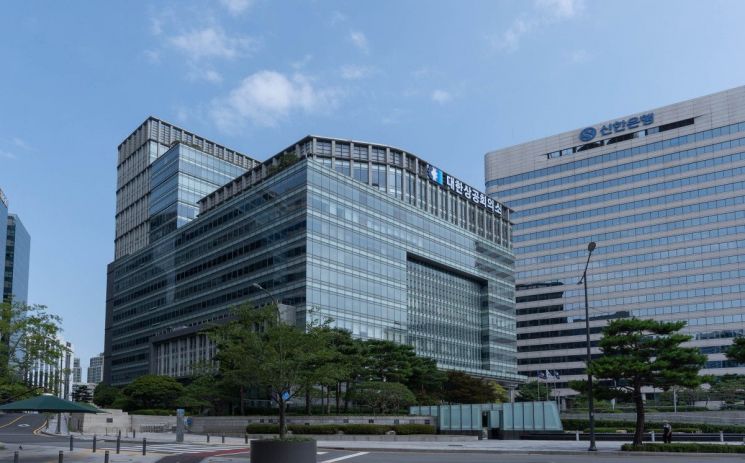 Exterior view of Sangui Hall, Jung-gu, Seoul, provided by the Korea Chamber of Commerce and Industry
Earlier that day, Lee Sang-ho, Head of the Economic and Industrial Headquarters at the Korea Economic Association, also said, "The economy is facing unprecedented uncertainty due to strengthened protectionism following the inauguration of the new U.S. administration and intensified geopolitical risks," and welcomed the passage of the K-Chips Act as "a catalyst that will relieve the industry's difficulties and help overcome the current crisis."
The amendment to the Restriction of Special Taxation Act was approved at the plenary session of the National Assembly with 239 votes in favor, 14 against, and 4 abstentions out of 257 members present. Once implemented, the tax credit rate for facility investments by semiconductor companies will increase from 15% to 20% for large and medium-sized enterprises, and from 25% to 30% for small and medium-sized enterprises.
The tax credit period for semiconductor research and development has also been extended by seven years until the end of 2031. The eligible expenses include labor costs, material costs, facility rental fees, and outsourced research and personnel development costs incurred at company-affiliated research institutes and dedicated R&D departments.
© The Asia Business Daily(www.asiae.co.kr). All rights reserved.












