Appeared to Have Been Exposed to High Concentrations of Hydrogen Sulfide During Hot Spring Inspection
Three hotel employees died in an accident at a hot spring resort in Fukushima, Japan. They are believed to have been exposed to toxic gas emitted from the hot spring.
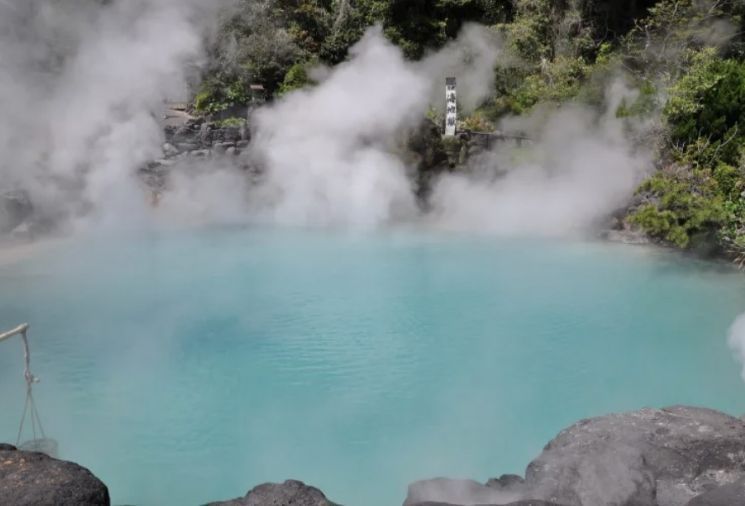 A hot spring in Japan. The photo is not directly related to the content of the article. Japan National Tourism Organization website.
On the 23rd, local media including NHK reported that on the morning of the 18th, three male bodies were found by rescue workers near a hotel in Takayu Onsen, Fukushima. The deceased were identified as one hotel manager in his 60s and two employees in their 50s to 60s. They were found collapsed about 100 meters from the entrance of a mountain trail north of the hotel.
Authorities suspect that the three died after inhaling toxic gas while performing regular maintenance inspections. This is because high concentrations of hydrogen sulfide, a toxic byproduct of volcanic hot springs, were detected at the site of the incident.
Hydrogen sulfide is a gas produced when sulfur compounds contained in rocks and minerals are decomposed by geothermal activity, characterized by a rotten egg smell. At safe levels, hydrogen sulfide is known to have vasodilatory and anti-inflammatory effects, beneficial for conditions such as hypertension and joint pain. However, exposure to high concentrations or in poorly ventilated spaces can cause headaches, nausea, and in severe cases, death.
Additionally, the area where they died experienced record snowfall, with a snow depth of 146 cm and a temperature of minus 7.7 degrees Celsius on the morning of the 18th. Professor Ooba Mu from Tokai University told NHK, "There is an active volcano at the site of death, so very high concentrations of hydrogen sulfide may have been emitted. Snow melting due to geothermal heat could have created a depression where the heavier-than-air hydrogen sulfide accumulated."
Authorities are conducting thorough safety inspections of the incident site and nearby hot spring facilities, and are considering mandating protective equipment during hot spring maintenance work to reduce the risk of toxic gas exposure.
Takayu Onsen is a 400-year-old open-air bath destination known for attracting many tourists in winter. There was a case in August 2018 where a guest at a hot spring hotel in New Taipei City, Taiwan, died from hydrogen sulfide poisoning, highlighting the need for caution when using hot springs.
© The Asia Business Daily(www.asiae.co.kr). All rights reserved.
![User Who Sold Erroneously Deposited Bitcoins to Repay Debt and Fund Entertainment... What Did the Supreme Court Decide in 2021? [Legal Issue Check]](https://cwcontent.asiae.co.kr/asiaresize/183/2026020910431234020_1770601391.png)















