A woman in her 70s, Ms. A, visited the gastroenterology department due to pain in her right lower abdomen and panty line that had persisted for several weeks, but no specific abnormalities were found.
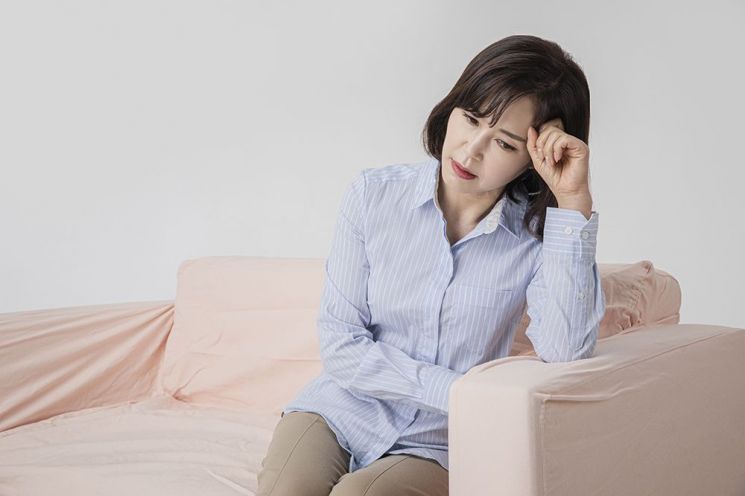
As the pain continued and caused anxiety, Ms. A additionally visited the obstetrics and gynecology department, where no significant issues were detected. Following the doctor's recommendation, she then visited the orthopedics department and was diagnosed with hip arthritis. This case can be seen as resulting from a lack of awareness of the early symptoms of hip arthritis.
Hip arthritis is an inflammatory disease that occurs in the hip joint, which is the joint of the pelvis and thigh. The most common cause is degenerative hip arthritis caused by aging, trauma, or disease, but rheumatoid, bacterial, gouty, and neuropathic causes can also be factors.
Hip arthritis mainly causes pain in the groin area where the hip joint is located. Symptoms worsen when walking or standing up from a seated position, and the range of motion of the hip joint is limited, making it impossible to fully straighten the leg. Pain worsens under weight-bearing during walking, which may cause limping.
The hip joint is an important area connecting the pelvis and the leg, and when hip arthritis occurs, discomfort can also arise in adjacent areas such as the lower abdomen or panty line, as in Ms. A’s case. In cases of hip arthritis caused by bacterial infection, high fever and severe pain that makes movement impossible may occur.
Diagnosis is made by evaluating the main symptoms reported by the patient, medical history, gait, and hip joint range of motion, and by checking the condition of the hip joint through X-ray examination. Additional tests such as blood tests, ultrasound, and MRI may be performed if necessary.
Treatment includes medication and physical therapy. If hip arthritis has occurred but joint damage is minimal, osteotomy to realign the pelvic bone or femur can be performed to delay degenerative changes. In cases where daily life is significantly affected, artificial joint surgery may be considered.
Dr. Jin-Hyuk Seo, head of the Joint Center at Daedong Hospital and an orthopedic specialist, stated, “If hip arthritis is left untreated, pain can interfere with daily life, and functional impairment can place excessive burden on surrounding joints, accelerating degenerative changes in other joints, so caution is necessary.” He added, “Lower limb joints, including the hip joint, are the most frequently used joints in daily life, so it is important to maintain their health regularly. If any abnormal symptoms appear, it is essential to visit a medical institution promptly for early diagnosis.”

To protect major joints including the hip joint, it is important to maintain an appropriate body weight and prevent unnecessary pressure on the joints by maintaining proper posture when walking or sitting.
Additionally, strengthening muscles through low-impact exercises such as swimming, walking, and indoor cycling is recommended. Stretching regularly to relieve stiff muscles and increase joint range of motion is beneficial. On days when joints are strained due to excessive exercise, it is also important to allow adequate rest and recovery time.
© The Asia Business Daily(www.asiae.co.kr). All rights reserved.
![Clutching a Stolen Dior Bag, Saying "I Hate Being Poor but Real"... The Grotesque Con of a "Human Knockoff" [Slate]](https://cwcontent.asiae.co.kr/asiaresize/183/2026021902243444107_1771435474.jpg)

















