SCFI Falls Below 2000 Mark...
"Seasonal Low Period"
Container Freight Index Expected to Range Between 1600 and 1900
The global maritime transport freight index has fallen for five consecutive weeks, remaining below the 2000 mark. Typically, winter is considered a seasonal low period for the shipping industry, but this year, the prevailing view is that the low season will be prolonged. The fleet has significantly expanded, and due to factors such as former U.S. President Donald Trump's strengthened protectionism, cargo volumes have decreased, making a rise in freight rates unlikely.
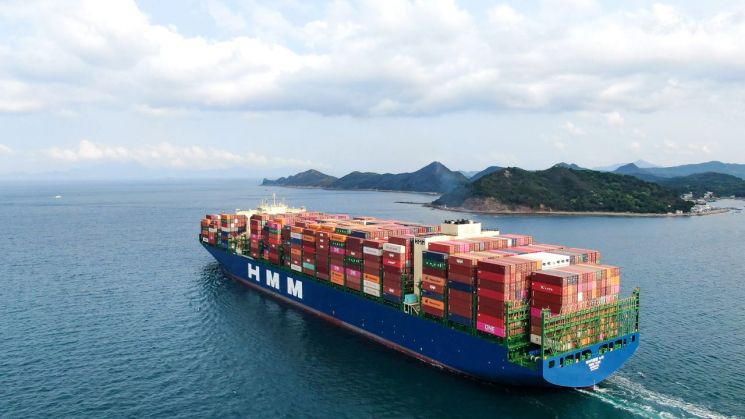
According to the shipping industry on the 18th, the Shanghai Containerized Freight Index (SCFI) recorded 1758.82 points as of the 14th, down 137.83 points from the previous week. The SCFI is an index that aggregates freight rates on 15 routes in the Shanghai export container transport market in China and reflects global maritime freight levels.
By route, the largest drop in freight rates was on the U.S. East Coast. The rate per 1FEU (FEU = one 12-meter container) fell by $665 to $4,825 compared to the previous week. The U.S. West Coast dropped by $388 to $3,544. In Europe, the rate per 1TEU (TEU = one 6-meter container) fell by $197 to $1,608 over the week, and the Mediterranean decreased by $221 to $2,815.
The shipping industry attributes the recent SCFI decline largely to seasonal factors. Excluding special circumstances like COVID-19, the SCFI has historically been relatively lower in winter than in summer. The SCFI, which hovered between 3000 and 4000 in July-August 2022, dropped to the 2000s in September and fell to the 1000s by the end of the year. In the following year, 2023, the SCFI rose again in July-August. The trend was similar last year, although the prolonged Middle East conflict caused the absolute SCFI values to be higher than the previous year. An industry insider said, "Although the weekly SCFI has been declining recently, considering last year's increase, it is by no means at a low level."
There are forecasts that the possibility of a rebound in maritime freight rates is low for the time being. The Korea Maritime Institute expects the SCFI to remain between 1600 and 1900 this year. The large number of vessels ordered during the COVID-19 pandemic are being deployed on routes, which is expected to drive freight rates down from the supply side. The growth rate of cargo volume is also showing signs of slowing. Global shipping research firm Clarkson expects container ship maritime cargo volume to increase by 2.9% this year, which is lower than last year's growth rate of 5.4%. Meanwhile, the fleet growth rate is projected to be 5-6% this year.
In particular, the high tariff policies implemented by the second Trump administration are cited as factors limiting cargo volume growth. President Trump recently announced that tariffs of 25% would be applied to steel and aluminum without exceptions or exemptions, and also indicated that automobile tariffs would be imposed around April. Because of this, the industry is even forecasting that the shipping market has entered a structural downturn.
As freight rates turn bearish, the industry is seeking response strategies. HMM plans to expand new services focusing on markets with high growth potential such as the Atlantic, India, and South America. An HMM official said, "Even aside from seasonal factors, there are many elements causing freight rate declines such as vessel redeployment and President Trump's trade war, so we expect the business environment to be less favorable than last year. We will continue to pursue competitiveness enhancement measures in the mid to long term, including fleet expansion, portfolio diversification, compliance with eco-friendly regulations, and digitalization."
© The Asia Business Daily(www.asiae.co.kr). All rights reserved.

















