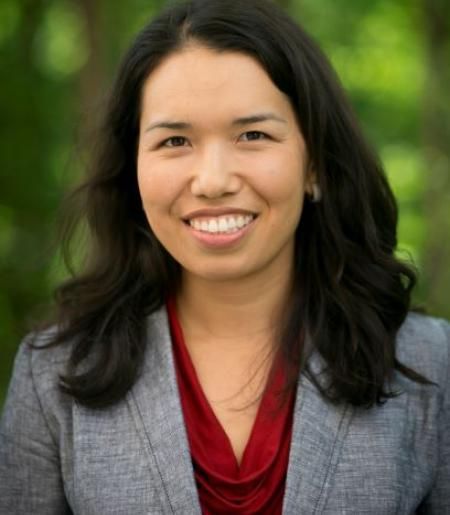
Jessica Chen Weiss, Cornell University Professor,
Criticizes US Hardline Policy Toward China in SCMP Interview
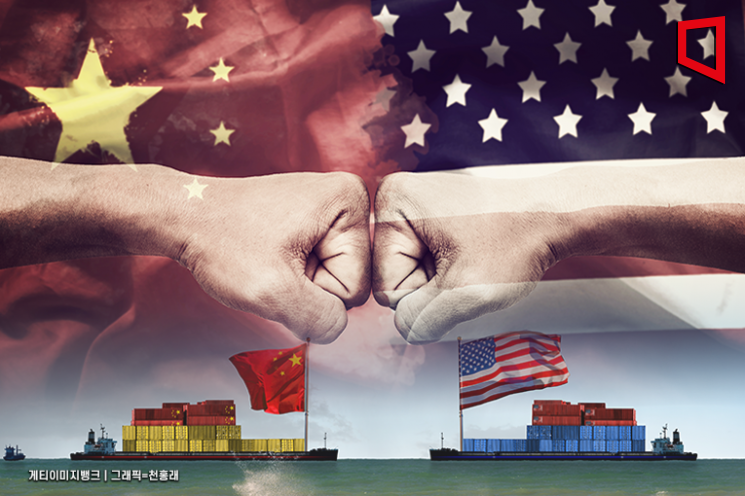
A China expert warned that if the Donald Trump administration proceeds with imposing an additional 10% tariff on China, China will retaliate. There are concerns that the situation at the end of the first term of the Trump administration, when US-China relations deteriorated to their worst, could be repeated in the second term.
Jessica Chen Weiss, a professor at Cornell University, said in an interview with the Hong Kong South China Morning Post (SCMP) on the 3rd (local time), "If the Trump administration actually imposes high tariffs aggressively, China will also take retaliatory measures," adding, "Ultimately, it will lead to a trade war."
Professor Weiss is well known for her analysis and critical perspective on US-China relations and China policy. In particular, she has questioned the bipartisan hardline stance of the US toward China and has advocated the necessity of ‘competitive coexistence.’
She added a caveat, saying, "However, not only within President Trump’s economic team but also within informal advisory groups, there are voices suggesting that tariff threats should be imposed gradually or seen merely as a means to move toward new trade negotiations with China." This is because the Phase One agreement signed by the two countries in January 2020 is considered by the US side to have yielded results below expectations.
Professor Weiss also emphasized, "Success begins within one’s own country," and stressed, "It is important for the US and China to define success from the perspective of ‘the safety and prosperity of their own societies.’" She reiterated, "This does not necessarily have to be a zero-sum game (where one side’s gain is the other side’s loss)."
When asked about the direction of US-China relations, Professor Weiss avoided a direct answer, saying, "I don’t know yet whether the second-term administration will proceed similarly to the early part of the first term or move toward the hawkish stance that strengthened at the end of 2020." This is because President Trump is sending contradictory signals regarding his China policy. While filling his cabinet with hawkish figures such as Vice President J.D. Vance and Secretary of State Marco Rubio, Trump reportedly invited Chinese President Xi Jinping to his inauguration on the 20th of last month. Although President Xi did not attend the inauguration, he sent Han Zheng, Vice Premier and special representative, instead. While nominating former Senator David Perdue as the new ambassador to China, Trump stated that he would "establish a productive cooperative relationship with Chinese leaders."
Professor Weiss also pointed out, "There is bipartisan concern about China’s actions, from economic aspects to pressure on Taiwan and measures in Hong Kong, which is valid," but added, "However, there is much less consensus on how big a threat China really is and, more importantly, how the US should respond."
She continued, "Finding the best way to minimize risks while maintaining the benefits of commercial, scientific, and diplomatic ties will be a continuous series of difficult questions," and added, "We must think together and seek the best path forward."
© The Asia Business Daily(www.asiae.co.kr). All rights reserved.













