Harsh Cold Wave Expected in Korea During 'Ipchun'
Temperatures to Drop Sharply Next Week
This winter, South Korea may be colder than Russia, according to some observations.
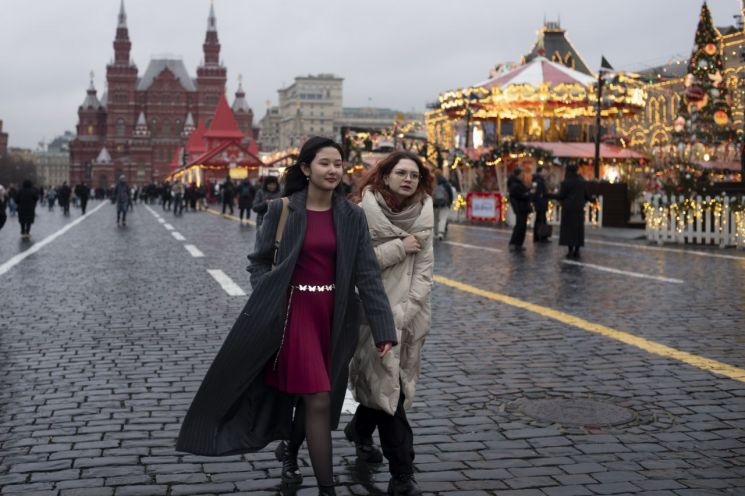
On the 1st, according to Russia's RIA Novosti news agency, Yevgeny Tishkovets, a senior meteorologist at Russia's Phobos Weather Center, said that there was a day recently when the early morning temperature in Moscow reached 3.5 degrees Celsius, adding, "This kind of weather in Moscow is the first in 111 years."
Tishkovets explained, "The last week of January in Moscow started with April-like weather," and said that this abnormal warm temperature phenomenon is the first since January 27, 1914, 111 years ago.
Roman Vilfand, a meteorologist at the Russian Meteorological Agency, said that January is likely to be the warmest January in Russian history. He predicted, "It could break the 2020 record and become the warmest January ever observed. The average temperature in January could reach 0 degrees Celsius." Russian climate expert Aleksey Kokorin also said, "The average winter temperature in Russia has risen by about 3 degrees over the past 50 years," adding, "The fastest pace of global warming has arrived in the Arctic (Siberia)."
This unusually warm winter in Russia caused by the abnormal high temperatures is expected to continue until February 5. Alexander Shuvalov, head of the weather forecast center, told local media, "During the day, the air temperature is expected to remain warm, ranging from minus 1 degree to plus 3 degrees Celsius. It will then drop below freezing."
 A cold wave is forecasted throughout the entire Seoul metropolitan area on weekdays starting next Monday, which is Ipchun (the beginning of spring).
Harsh 'Ipchun Cold Wave' Forecast for the Korean Peninsula
Meanwhile, South Korea is forecast to experience a sharp drop in temperature and strong winds starting from the 3rd of next week. On the 31st of last month, cold weather was recorded with temperatures ranging from minus 12 degrees to plus 2 degrees Celsius. This was due to cold northwesterly winds blowing from China freezing the inland areas.
According to the Korea Meteorological Administration, morning temperatures next week will range from -16 to 1 degrees Celsius, and daytime temperatures will fluctuate between -4 and 8 degrees Celsius, remaining lower than average. Temperatures are expected to be more than 5 degrees below the normal average, and in central regions including Seoul, the cold will keep daytime temperatures below freezing practically throughout the weekdays next week.
© The Asia Business Daily(www.asiae.co.kr). All rights reserved.


















