Support for Renewable Energy Convergence and More
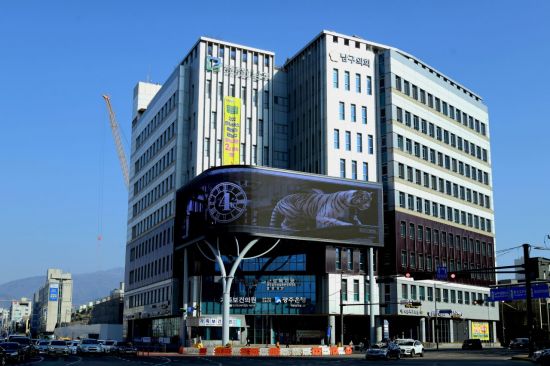
Gwangju Nam-gu (District Mayor Kim Byungnae) announced on the 22nd that it will implement five projects this year to establish a self-sustaining city based on renewable energy and to realize energy welfare for vulnerable households.
Nam-gu will invest 3.246 billion KRW this year to carry out projects in the energy sector. The five main projects include support for renewable energy convergence, installation of cool roofs for vulnerable groups, replacement of LEDs for vulnerable groups, installation of gas safety shut-off devices, and improvement of LPG cylinder facilities. These projects aim to move toward a carbon-neutral society while also responding to the climate crisis.
Starting next month, the district will implement the renewable energy convergence support project for 334 residential and commercial buildings in the area. The goal is to establish facilities that produce and utilize energy using solar power and solar thermal systems. The budget allocated for the supply of renewable energy facilities amounts to 2.86 billion KRW.
Since 2018, the district has been promoting the installation of solar power and solar thermal facilities, starting with the rural area of Daechon-dong and gradually expanding to the old downtown. Last year, renewable energy facilities were supplied to all residential and commercial buildings in the district, including Jinwol-dong and Hyodeok-dong.
In addition, to improve energy efficiency for vulnerable households, 369 million KRW will be invested in the installation of cool roofs and high-efficiency LED distribution projects. Starting in March, cool roofs that lower building temperatures in summer will be installed on the rooftops of 34 vulnerable households and one multi-use facility, with construction expected to be completed by August.
From April to November, LED replacement work will be carried out in stages for 70 vulnerable households and four social welfare facilities in the district. A total of 793 high-efficiency LEDs will be supplied to replace old and outdated lighting.
Additionally, to prevent fires, from May, the district will spend 10 million KRW to support the installation of gas safety shut-off devices for 125 households with residents aged 65 or older. Starting in June, 7 million KRW will be invested to replace rubber hoses with metal piping in 28 households using LPG cylinders as part of facility improvement efforts.
A district official stated, "We will do our best to establish a solid foundation for an energy self-sufficient city by expanding the supply of renewable energy production facilities and to reduce energy costs for vulnerable households."
© The Asia Business Daily(www.asiae.co.kr). All rights reserved.

















