Announcement of Major Work Plans by the Cultural Heritage Administration
Unification of Regulatory Procedures for Development Activities
Diversification of Designation and Registration for High-Value Cultural Heritage
Abolishment of First-Come, First-Served Reservations for Popular Palace Programs
The Cultural Heritage Administration is preparing a new 'Basic Plan for Cultural Heritage' and is actively advancing the 'Basic Plan for Natural Heritage,' including a preliminary feasibility study for the establishment of the National Institute of Natural Heritage. In the intangible heritage sector, the qualification requirements for transmission educators, previously limited to those with more than five years of experience, will be expanded to include general transmitters. On the 21st, the Cultural Heritage Administration announced its major work plan, stating that it will lay the foundation to create sustainable national heritage value. The system introduced in May last year will be enhanced by improving the status of transmitters with high contributions to transmission so that they can become honorary holders, thereby expanding their treatment and support.
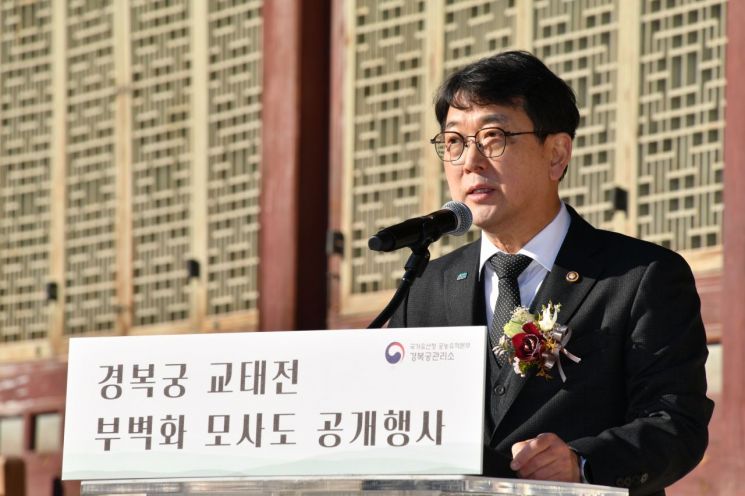
Several policies will also be promoted to harmonize the preservation and regulation of national heritage with the daily lives of citizens. The starting point is the 'National Heritage Impact Assessment Act' next month. It will unify regulatory procedures during development activities to resolve local development demands. Support for excavation surveys will also be expanded. The full cost of sample and trial surveys required for small-scale excavations necessary for development will be covered. The support limit for detailed excavation survey costs will be raised from a maximum of 150 million won to 300 million won. Projects for the maintenance and landscape improvement of historical and cultural zones (Gangneung, Naju, Haman, Haenam) will also be actively pursued to improve the living conditions of local residents.
The Cultural Heritage Administration will also revise the protection system for cultural, natural, and intangible heritage. The designation and registration of cultural heritage with high preservation value will be diversified, and the quality of repairs for traditional architecture will be improved through organic linkage between actual measurement design and repair sites. For wooden architectural heritage, preservation management will be scientificized through scientific investigation and documentation projects for each component. Based on this, major buildings such as Gyeongbokgung Palace (restoration of the Yeonghundang area) and Changdeokgung Palace (repair of Donhwamun Gate) will be repaired and restored.
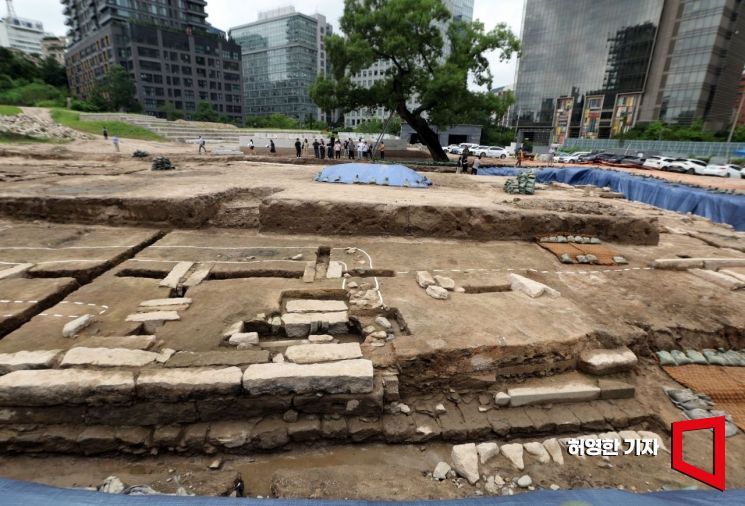 The Cultural Heritage Administration's Palace and Royal Tombs Headquarters revealed the results of the excavation conducted at the Heungdeokjeon area within Deoksugung Palace on the 3rd. The excavation team stated that by discovering the drainage channel of Heungdeokjeon, the locations of the entrance gates Heungsamun and Soanmun were confirmed. Heungdeokjeon in Deoksugung Palace is estimated to have been built around 1900 and served as the relocation office to restore the royal portrait that was lost in the fire at Seonwonjeon, located to the east of Deoksugung. Photo by Heo Younghan younghan@
Natural heritage preservation and management will focus on the intensive management of animal heritage populations and habitats. The population, distribution, and habitat density of natural monument animal species distributed nationwide will be surveyed, and additional animal management organizations will be designated. In intangible heritage, efforts will focus on stabilizing the transmission system and creative succession. Legal amendments will be pursued to allow the designation of relatively neglected fields, and intangible heritage not yet designated will be cataloged. Additionally, to prepare for the aging of holders, barriers to entry for transmission education schools will be lowered, and 'This Year's Graduates' will be selected to boost transmission motivation.
The Cultural Heritage Administration will also continue efforts to enable citizens and foreigners to enjoy national heritage. The World Heritage Festival and national heritage media art will be fostered as representative brands, and active programs will be strengthened considering the characteristics of the experience-oriented 30s and 40s generation. An official said, "Special tours of Geoncheonggung and Hyangwonjeong will be expanded, and special tours of Gyeonghoeru will be promoted," adding, "We also plan to hold traditional performances, media art exhibitions, and a reenactment of the Joseon Tongsinsa ship route between Korea and Japan in connection with the Osaka World Expo."
The scope of national heritage utilization services considerate of socially vulnerable groups will also be expanded. In addition to people with disabilities and the elderly, residents of regions at risk of local extinction and North Korean defectors will be included, and the mobile national heritage education experience center 'Ieojigyo,' which visits underdeveloped areas lacking cultural facilities, will be expanded and operated. The first-come, first-served reservation system for popular palace programs will be abolished. It will be converted to a lottery system to provide broader viewing opportunities for digital disadvantaged groups.
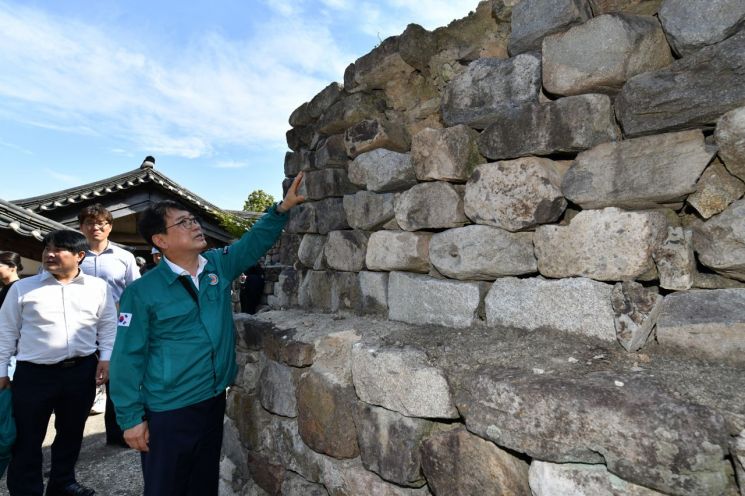
The Cultural Heritage Administration will also steadily promote the globalization of national heritage. It will respond to ensure that the 'Forest Reforestation Records,' 'Jeju 4.3 Incident Records,' and 'Banggucheon Rock Carvings' are inscribed on the UNESCO World Heritage list, and will operate the World Heritage Impact Assessment system to effectively manage already inscribed world heritage sites. Additionally, it will aim for the complete preservation and transmission of national heritage located overseas through support for the operation of the Goryeo Art Museum (Japan), cultural heritage surveys in France and Germany, review of maintenance and creation of traditional Korean landscaping spaces abroad, and invitation training for overseas Korean intangible heritage transmission organizations.
© The Asia Business Daily(www.asiae.co.kr). All rights reserved.



















