Tips for Minimizing Travel Time and Maximizing Fun
Introducing Three Routes: Baegunsan, Gubongsan, and Seomjingang Areas
Gwangyang City in Jeollanam-do has released a curated travel guide for different regions of Gwangyang, targeting the extended Lunar New Year holiday, which can last up to nine days this year due to the designation of January 27 as a temporary holiday.
The city introduced hidden gem travel destinations in three areas?Baegunsan, Gubongsan, and Seomjingang?to provide tips for planning travel routes that minimize travel time and maximize enjoyment according to personal preferences.
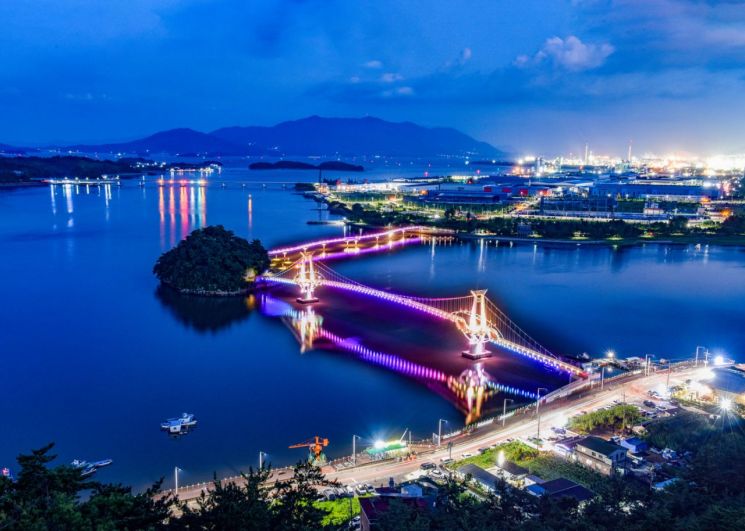 Gwangyang City has released a region-specific Gwangyang travel curation targeting the Lunar New Year holiday golden vacation, extended up to a maximum of 9 days due to the designation of a temporary holiday on the day before the Lunar New Year holiday, the 27th. Provided by Gwangyang City
Additionally, the guide features Gwangyang’s seasonal foods such as Gorosoe and Beotgul, which are perfect for revitalizing both body and mind after the winter and for enjoying the scent of spring.
The Baegunsan area, which encompasses Baegunsan Mountain and Gwangyang-eup, is a high-quality wellness travel destination where nature, history, culture, and art come alive, featuring attractions like Baegunsan Natural Recreation Forest, Jeonnam Provincial Art Museum, and Inseori Park.
Standing at 1,222 meters above sea level and boasting four major valleys, Baegunsan Mountain offers eight hiking courses and nine walking trails stretching 126.36 km, with the Baegunsan Natural Recreation Forest nestled within. Walking through the lush primeval forest on the Baegunsan Dulle-gil and in the recreation forest is the perfect way to relieve holiday fatigue and recover from post-holiday overeating.
Gwangyang-eup, the old downtown, is home to many places that have preserved their long history while being newly transformed, such as the Gwangyang History and Culture Center, Seoul National University Southern Experimental Forest Residence, and Inseori Park.
The Gwangyang History and Culture Center, where you can see the history of Gwangyang at a glance, and the Southern Experimental Forest Residence, which showcases Japanese architectural styles, are open as usual except on Lunar New Year’s Day.
Inseori Park, which is revitalizing the alleys of Gwangyang’s old downtown, is a renovated hanok complex cultural space equipped with exhibitions, a cafe, an art shop, and hanok stay accommodations. Full of the warmth and romance of old alleys, Inseori Park is open throughout the holiday period, including Lunar New Year’s Day, except for its regular closing days on Mondays and Tuesdays.
The Jeonnam Provincial Art Museum, which will immerse your Lunar New Year holiday in art, is currently holding popular exhibitions such as "Oh Jiho and Impressionism: From Vibrance of Light to Color," "Landscape as the Future: Miguel Chevalier, Lee Lee-nam," and poetic abstraction. Both the Jeonnam Provincial Art Museum and the adjacent Gwangyang Art Warehouse are open as usual except on Monday, the 27th (an official closing day), and Lunar New Year’s Day, the 29th.
Gwangyang boasts beautiful scenery and brilliant night views, perfectly fitting its tourism slogan, "Gwangyang Travel Shining Day and Night."
From the Gubongsan Observatory at 473 meters above sea level, you can enjoy a 360-degree panoramic view of Gwangyang Bay, with Yi Sunshin Bridge, Yeosu Industrial Complex, Suncheon Japanese Castle, and Namhae Bridge. The majestic sunrise and sunset are especially spectacular, making it a great place to reflect on the past year and make new resolutions as you watch the last sunset of Gapjin Year and the first sunrise of Eulsa Year.
The cold, dry weather during the Lunar New Year makes the air clear, offering the perfect time to enjoy Gwangyang’s nightscape, which sparkles like jewels dusted with silver powder.
Selected as one of the "Top 100 Nightscapes in Korea," the Gubongsan Observatory offers a dazzling night view where Gwangyang Steelworks, Yi Sunshin Bridge, and Gwangyang Port shimmer across Gwangyang Bay like the Milky Way. In addition, Sunshine Beach Park, where Kumho Bridge, Gilho Bridge, and the coastal line harmonize, creates a beautiful melody, presenting a fantastic symphony of light with the gentle waves of Gwangyang Bay.
The Seomjingang area, which includes Mangdeok Port and Baeraldo where the Seomjingang River meets the sea after flowing 220 km, is a romantic platform for thrilling activities, starlit nightscapes, and poetic inspiration.
The "Seomjingang Starlight Sky" zipline, emerging as a new tourism landmark in Gwangyang, is an 898-meter zipline connecting Mangdeoksan and Baeraldo Waterside Park, and will be in operation throughout the holiday period.
A 12-seater monorail operates to the zipline launch point, so to enjoy the Seomjingang Starlight Sky, you must go to Mangdeok Port, where the monorail boarding area (159 Mangdeok-gil, Jinwol-myeon) is located.
From the launch point on Mangdeoksan (197 meters above sea level), you can take in the sparkling Seomjingang River, the romantic port, the islands dotting the southern coast, and the graceful Yi Sunshin Bridge all at once, creating a breathtaking experience.
To participate in the opening event, which offers prizes worth up to 500,000 KRW, follow the Gwangyang Tourism Instagram account and verify your SNS review on-site via a banner or by scanning the QR code on the Gwangyang Culture and Tourism website popup by January 31.
Other emotional recharge spots include Baeraldo Island Garden, a romantic platform connecting the Star Bridge and Sunrise Bridge, and Mangdeok Port, home to the "Jeong Byeonguk House," which preserves the handwritten manuscripts of poet Yun Dongju’s "Sky, Wind, Stars, and Poetry," as well as the "Yun Dongju Poetry Garden," perfect for a leisurely stroll.
Gwangyang, where spring arrives first, is already buzzing with the energy of spring even before Ipchun (the first day of spring).
On the 15th, "Gwangyang Baegunsan Gorosoe," one of Gwangyang’s nine signature foods, went on sale for the first time this year. Sap harvested from the clean Gorosoe trees of Baegunsan and distributed after purification is rich in minerals and magnesium, making it perfect for relieving holiday fatigue. It is easily available through Gorosoe Spring Water Farming Cooperative and local agricultural cooperatives, and is also popular as a gift.
Mangdeok Port on the Seomjingang River, which boasts abundant fishing grounds thanks to the clear river water, is now in season for Beotgul, oysters as large as an adult’s palm, known for their refreshing aroma and rich flavor. Called "river oysters" because they are harvested from the river, Beotgul got its name because their appearance resembles cherry blossoms blooming underwater, and they are said to taste best when the cherry blossoms bloom.
Kim Miran, head of the Tourism Division, said, "Gwangyang is blessed with natural wonders such as Baegunsan, Seomjingang, and Gwangyang Bay, and offers many walking trails like Baegunsan Dulle-gil, island gardens, and ports. There are also various experience spaces such as the ‘Seomjingang Starlight Sky’ zipline, Gwangyang Art Warehouse, and Inseori Park, as well as fresh local delicacies like Gorosoe and Beotgul. I hope you will create special memories in Gwangyang this Lunar New Year holiday with your family, friends, and loved ones."
© The Asia Business Daily(www.asiae.co.kr). All rights reserved.

















