Even With Reserve Releases, Hard to Change Price Trends
Instead, the Reserve System Acts as a 'Firefighter' to Curb Sharp Price Fluctuations
Similar Cases: Canadian Maple Syrup, U.S. Strategic Oil Reserves
Ahead of the Lunar New Year holiday, the government supplied public reserve stocks to the market as prices of ingredients such as napa cabbage and radish soared. Every year, the government stocks a certain amount of vegetables and grains that the public enjoys, releasing them into the market when demand surges during holiday periods. Although the public reserve system has been in place for over 20 years, opinions remain divided on the impact of the government's reserve supply on 'food prices.' Why is it difficult for us to feel the benefits of the reserve system?
Why is it hard to feel the impact despite government supply?
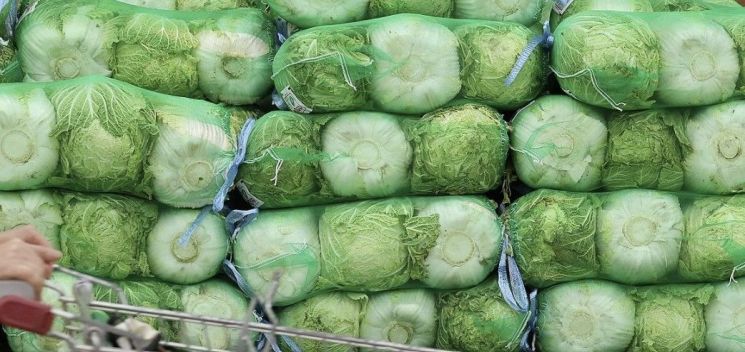
The public reserve system is a policy where the government purchases specific consumer goods to stabilize supply and demand. In Korea, it has been implemented since 2005, targeting grains such as rice and fresh vegetables like napa cabbage and radish during the kimchi-making season. Including the Ministry of Agriculture, Food and Rural Affairs' reserve bases and private contracted warehouses, about 150,000 tons (t) of vegetables and grains are stored annually and released to the market when needed.
Before this year's Lunar New Year holiday, the government released winter napa cabbage and radish to wholesale markets nationwide. As of the 24th , the retail price of napa cabbage was 4,901 won per head, about 38% higher than the average year. Typically, napa cabbage is cultivated twice a year in spring and autumn, but the 4.5% decrease in autumn napa cabbage cultivation area last year is analyzed to have affected the market.
The government is estimated to be supplying about 200?300 tons of napa cabbage daily. Some express skepticism about the Ministry of Agriculture, Food and Rural Affairs' supply efforts. Comments on news articles and social media include claims such as "Why are prices still high at supermarkets?" and "Isn't the middleman pocketing the difference?"
The public reserve system is a 'firefighter' that puts out urgent fires
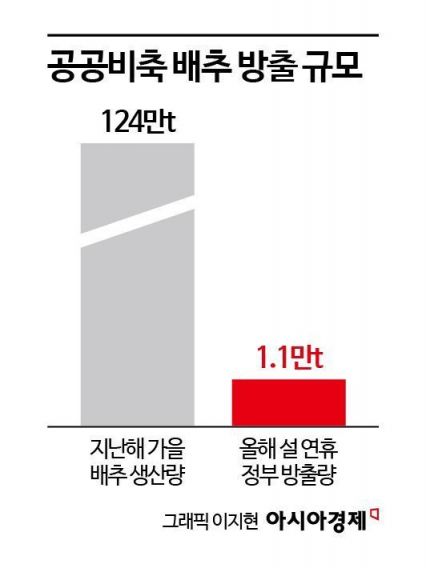 In fact, the amount released from public reserves is far too small to significantly affect overall demand and supply.
So, is it difficult for the public reserve system to stabilize sharply rising product prices? The answer can be both 'yes' and 'no.' First, the government's public reserve volume is not large enough to affect the entire market.
The total amount of napa cabbage released by the government before this Lunar New Year holiday is about 11,000 tons, while the annual domestic average napa cabbage production is around 2 million tons. According to Statistics Korea, last autumn's napa cabbage production decreased by 6.3% from the previous year to 1,242,000 tons, with a reduction of about 80,000 tons. In other words, the reserve volume alone is insufficient to create a significant impact on supply and demand changes.
However, the reserve volume can greatly help stabilize prices in the short term. When the Ministry of Agriculture, Food and Rural Affairs opens a warehouse, it typically supplies 200?300 tons of vegetables daily to wholesale markets over several days to a month. Considering that the total daily napa cabbage inflow to wholesale markets nationwide ranges between 100 and 1,500 tons, this is a substantial volume. Thus, while the public reserve volume is not decisive enough to lower the annual average price, it is sufficient to act as a 'firefighter' that mitigates sharp price fluctuations during specific periods of supply shortage or demand surges.
Examples of the public reserve system functioning can be found during last year's kimchi-making season in October, when prices surged due to decreased autumn napa cabbage production. At the end of September that year, the consumer price for one head of napa cabbage soared close to 10,000 won, but after the government released a total of 24,000 tons of napa cabbage from early October to November, prices dropped to around 4,800 won. Although still higher than average prices, this at least prevented excessive price volatility.
Similar functions in Canadian syrup and U.S. oil reserves
In this way, government reserves play a role in balancing supply and demand during specific periods to prevent producers or consumers from suffering excessive damage. Just as the Korean government stocks rice and kimchi ingredients, many countries around the world implement reserve systems for various consumer goods.
Quebec, Canada, stores maple syrup in public warehouses. Quebec's maple syrup production accounts for 70% of the world's total supply, so maintaining the price per liter (ℓ) of syrup at an appropriate level is a matter of great interest for the regional economy as a whole.
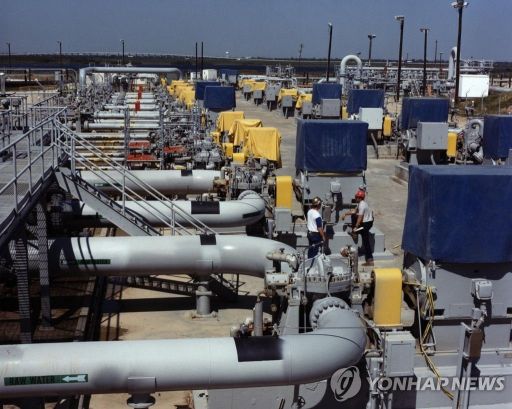
The United States operates a Strategic Petroleum Reserve system. Originally, the Strategic Petroleum Reserve was a policy by the U.S. Department of Energy to stockpile oil for naval ships in preparation for energy shortages, but recently it has been used as an extraordinary measure to stabilize prices. In fact, former U.S. President Joe Biden released 50 million barrels from the Strategic Petroleum Reserve at the end of 2021, when inflation surged and Russia's invasion of Ukraine became imminent, in an attempt to stabilize prices. Although this decision was insufficient to change the overall trend of international oil prices, it was able to alleviate short-term price spikes.
© The Asia Business Daily(www.asiae.co.kr). All rights reserved.



















