1st Trial: 23 Years Imprisonment → 2nd Trial: 17 Years... "Unfair Sentencing" Claim
Supreme Court Rejects Defendant's Appeal... "No Legal Misinterpretation"
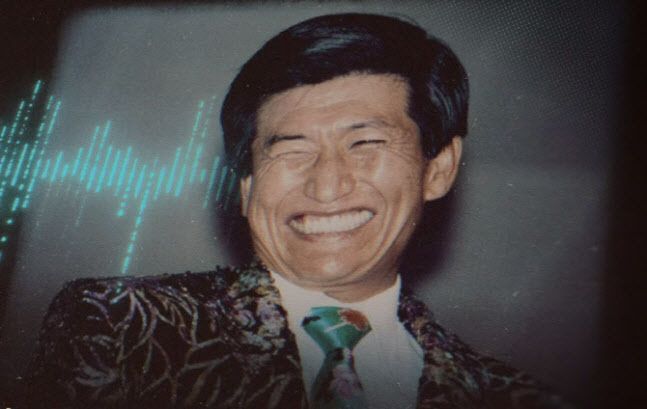
The Supreme Court sentenced Jeong Myeong-seok (age 79), the leader of the Christian Gospel Mission (JMS), to 17 years in prison on charges of quasi-rape and quasi-indecent acts for sexually assaulting female followers. Following the lower courts, the Supreme Court's 2nd Division (Presiding Justice Oh Kyung-mi) also recognized the charges that Jeong sexually harassed or raped female followers who were in a state of incapacity to resist and unable to make decisions regarding sexual acts.
Jeong was tried for sexually assaulting or molesting female followers of Hong Kong, Australian, and Korean nationality 23 times from February 2018 to September 2021 at a training center located in Geumsan-gun, Chungnam Province. Previously, in 2009, Jeong served a 10-year prison sentence for raping a female follower in her 20s and was released in February 2018. After his release, he was again tried for sexual crimes against female followers. During the trial, Jeong’s side denied the charges, claiming that the female followers were neither brainwashed nor incapacitated, and that he had consistently preached that he was not a god but a human being.
The first trial court sentenced Jeong to 23 years in prison, based on the fact that he committed the crimes when the victims could not fully exercise their sexual self-determination rights and recognized the evidentiary value of a publicly released recording titled “I am God.”
However, the second trial court sentenced Jeong to 17 years in prison, a lighter sentence than the first trial. The exclusion of the recording’s evidentiary value influenced the sentencing. The second trial court judged, “It is reasonable to consider that the victim recorded the scene while with the defendant, but the original phone that recorded it is currently missing, so the identity with the original file cannot be proven.”
The Supreme Court’s judgment was the same as the lower court’s. The Supreme Court stated, “There is no error in the lower court’s judgment that failed to conduct necessary investigations, violated the rules of logic and experience, or affected the verdict.”
© The Asia Business Daily(www.asiae.co.kr). All rights reserved.

















