Scholarship and Employment Preparation Fund Support
Seo-gu, Gwangju City (Mayor Kim I-gang) is taking steps to support the healthy independence and social safety net establishment for youth preparing for self-reliance.
According to Seo-gu on the 6th, youth preparing for self-reliance are those who have been under the care of child-rearing facilities, group homes (shared living homes), or foster care, and whose protection ends after turning 18, thus beginning their journey to independence.
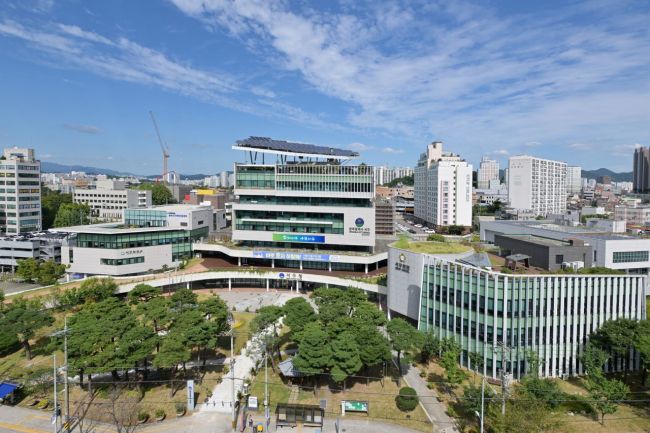
Previously, at the end of last year, Seo-gu conducted a survey on the living conditions and needs of 144 youth preparing for self-reliance within the district, covering ▲housing status ▲employment status ▲social support systems ▲support needed for independence ▲mentoring participation.
Based on the survey results, Seo-gu will implement customized support under the ‘Standing Tall Together 2025’ initiative.
They plan to promote a mentoring program connecting youth preparing for self-reliance with expert mentors to strengthen their independence capabilities and social support systems, and through the ‘012 (Zero Welfare Gaps, 12 Months Together) Seo-gu Partners’ project, provide scholarships and employment preparation funds.
Seo-gu also plans to offer internship opportunities at public enterprises such as Korea Electric Power Corporation (KEPCO) and various employment training programs. Additionally, through cooperation with the Korea Communications Agency, they will support the acquisition of national ICT technical qualifications via experiential youth internships, fostering digital professionals and enhancing employment capabilities.
Park Yong-geum, Director of the Child and Youth Division, stated, “Based on the results of this survey, we will create specialized support systems unique to the kind city Seo-gu and actively support youth preparing for self-reliance to settle stably in society.”
Meanwhile, the survey revealed that the biggest difficulty for youth preparing for self-reliance in finding employment was “not knowing their aptitude,” at 26%, followed by lack of employment information at 19%, lack of academic background and skills at 18%, and lack of job-related experience at 15%.
The most needed employment support was economic assistance such as employment incentives, with 50% of respondents indicating this, followed by training experiences at 15%, and vocational training at 10%.
The greatest difficulty after protection ended was economic problems at 44%, and the most needed support for independence was economic support at 57%, followed by housing support at 17%.
When facing worries or difficulties, the people youth could ask for help were acquaintances such as friends, colleagues, and seniors/juniors at 26%, the highest response. Next were family and relatives at 24%, while 14% responded that they had no one to ask for help.
© The Asia Business Daily(www.asiae.co.kr). All rights reserved.
![Clutching a Stolen Dior Bag, Saying "I Hate Being Poor but Real"... The Grotesque Con of a "Human Knockoff" [Slate]](https://cwcontent.asiae.co.kr/asiaresize/183/2026021902243444107_1771435474.jpg)
















