A study has found that psychological loneliness can increase the levels of malignant proteins that cause diseases such as inflammation.
On the 3rd (local time), according to major British foreign media, researchers at the University of Cambridge in the UK announced in a study published in the world-renowned scientific journal Nature that they discovered an underlying mechanism that can support previous research findings that loneliness worsens physical health.
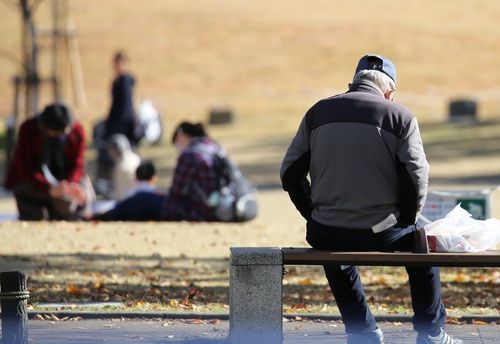
The research team compared the blood protein levels between those experiencing social isolation or loneliness and those who were not, using data from over 42,000 participants in the UK Biobank, a British biomedical database.
After accounting for other health factors such as gender, age, education, smoking, and alcohol consumption, the team found an association between 175 types of blood proteins and social isolation, and confirmed that 26 types of proteins were related to loneliness.
The group reporting social isolation or loneliness showed higher levels of these proteins in their blood compared to the other group. The research team explained that most of these proteins are involved in inflammation, antiviral responses, and the immune system.
Those with high levels of the problematic proteins were also found to have shorter lifespans in long-term follow-up studies. When tracking the participants' long-term health data over an average of 14 years, the researchers revealed that 90% of these proteins were associated with mortality risk. About 50% of the problematic proteins were linked to cardiovascular diseases, type 2 diabetes, and stroke.
The research team also conducted a process to verify the causal relationship between these high protein levels and loneliness, concluding that social isolation and loneliness are likely causes of increased protein levels.
© The Asia Business Daily(www.asiae.co.kr). All rights reserved.
![Clutching a Stolen Dior Bag, Saying "I Hate Being Poor but Real"... The Grotesque Con of a "Human Knockoff" [Slate]](https://cwcontent.asiae.co.kr/asiaresize/183/2026021902243444107_1771435474.jpg)
















