The International Monetary Fund (IMF) expressed concerns that as Australia struggles to curb inflation, the Reserve Bank of Australia (RBA) may need to raise its benchmark interest rate in 2025.
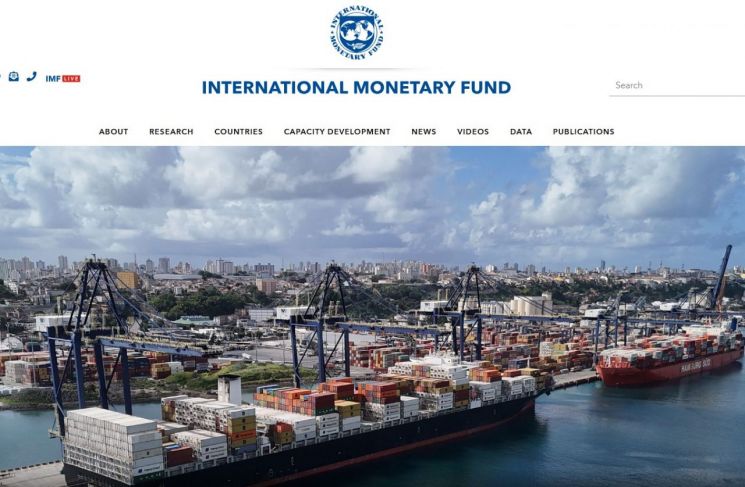
According to Australia's public broadcaster ABC on the 24th, the IMF stated, "Australia is expected to reach the inflation target range of 2-3% only by the end of next year," warning that "the biggest risk is the possibility that disinflation (a slowdown in inflation) may stall."
The IMF pointed out that the Australian government's expansionary fiscal policy ahead of the federal election in the first half of next year could conflict with the RBA's tightening monetary policy, potentially hindering the disinflation target.
Dr. Shane Oliver, Chief Economist at Australian financial services company AMP, explained, "There is a risk that fiscal policy could loosen through promises to increase government spending ahead of the election," adding, "This could put pressure on the central bank to raise interest rates rather than lower them."
However, Dr. Oliver noted that with the government's recent budget update, "The additional spending items discussed have been decided but not yet announced, and most will occur over the coming years, not in this fiscal year," suggesting that the risk of imminent expansionary fiscal policy has significantly decreased. He added that unless the government undertakes large-scale spending immediately, it is unlikely to have a major impact on the RBA's interest rate decisions at present.
Australian Labor Market Still Overheated
The IMF expressed concern that the Australian labor market remains overheated.
While the Australian Federal Treasury and the RBA predicted the unemployment rate would reach 4.5% by the end of the year, it remained at 4.0% in November.
The IMF stated, "Even if the unemployment rate rises slightly, the Australian labor market remains robust," and forecasted, "Private demand is gradually returning, and supported by strong public job growth, growth is expected to resume over the next few quarters."
Not only employment but also the lively private consumption approaching the year-end is a factor stimulating inflation.
According to data from the Australian Retailers Association (ARA), Australians are expected to spend a total of AUD 1.3 billion (approximately KRW 1.18 trillion) during this year's Christmas sale period. Total spending over the six days from Christmas to the New Year is expected to reach AUD 3.7 billion (approximately KRW 3.352 trillion), representing a 2.7% increase compared to the previous year.
The IMF warned that if the gap between aggregate demand and aggregate supply widens due to a strong labor market and increased year-end consumption, causing disinflation to stall, stronger monetary and fiscal policies, including interest rate hikes, may be necessary.
The IMF emphasized, "Monetary and fiscal authorities should work complementarily to avoid placing excessive burden on specific policy tools such as the benchmark interest rate," and "At the same time, government support for vulnerable groups in need should be maintained as living costs rise."
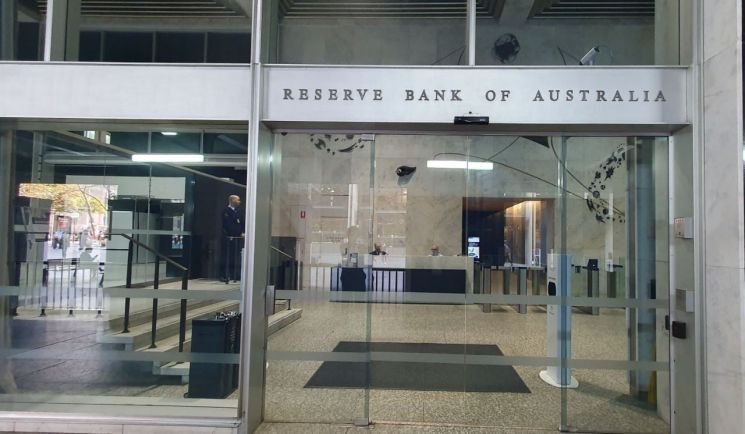
Low Likelihood of Interest Rate Hike in 2025
Dr. Shane Oliver said, "If inflation rises again in 2025, it would be a serious problem for the RBA," but added, "While there is a possibility of additional interest rate hikes in that case, the probability is very low."
The RBA has repeatedly stated that it is pursuing a "narrow path" to a soft landing for the Australian economy amid high inflation and high interest rates over the past few years.
Regarding this, the IMF noted, "Economic growth in Australia slowed in the first half of this year, and household consumption also weakened," adding, "If private demand weakens and the economies of major trading partners slow down, there is a risk of falling from the 'narrow path' for a soft landing into an economic recession."
Jung Dong-chul, Hanho Times Reporter
※ This article was written using content provided by Hanho Times.
© The Asia Business Daily(www.asiae.co.kr). All rights reserved.
![Clutching a Stolen Dior Bag, Saying "I Hate Being Poor but Real"... The Grotesque Con of a "Human Knockoff" [Slate]](https://cwcontent.asiae.co.kr/asiaresize/183/2026021902243444107_1771435474.jpg)

















