The so-called 'Gimhae Tongue Severance Case,' in which a guilty verdict for grievous bodily harm was handed down because a victim bit off the assailant's tongue while resisting a rape attempt in 1964, is returning to court. Choi Malja, now 78 years old and 18 at the time of the incident, has been given a chance to clear her name 60 years after the event.
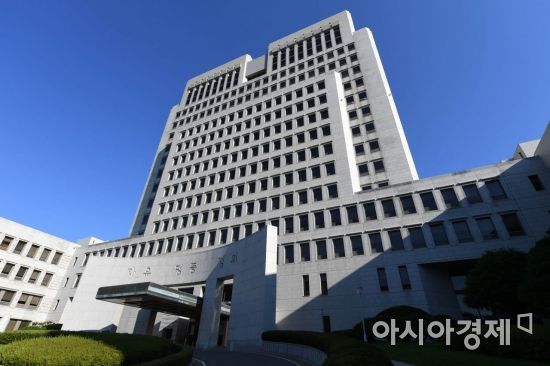
According to the legal community on the 20th, the Supreme Court's 2nd Division (Presiding Justice Oh Kyung-mi) overturned the previous ruling that dismissed Choi's retrial petition on the 18th and remanded the case to the Busan High Court.
In May 1964, Choi, then 18, bit the tongue of a man named No Mo (then 21), whom she had never met before, as he forcibly tried to kiss her after knocking her down. Approximately 1.5 cm of No's tongue was severed. However, Choi, the victim of a sexual crime, was not recognized for self-defense and was instead arrested and prosecuted for grievous bodily harm, receiving a guilty verdict of 10 months imprisonment with a 2-year probation. She also endured six months of wrongful imprisonment during the pretrial detention. The perpetrator, No, was charged with special trespassing and special intimidation, excluding the attempted rape charge, and was sentenced to six months imprisonment with a 2-year probation. His sentence was lighter than that of the victim, Choi.
Having lived with this injustice her entire life, Choi gained courage during the so-called 'Me Too movement' in 2018 and filed for a retrial in 2020, but it was dismissed. She appealed, but it was dismissed again. However, the Supreme Court's judgment on the retrial appeal was different. The Supreme Court ruled in favor of Choi.
The Supreme Court stated, "The appellant's consistent testimony regarding unlawful detention is sufficiently credible, and while circumstances during the series of investigations and trials were presented, there is no other objective evidence that contradicts or impeaches the testimony," adding, "There is sufficient reason to believe that the appellant (Choi) was investigated while unlawfully arrested and detained." Furthermore, it said, "The lower court should have conducted a fact-finding investigation into whether there was sufficient and convincing contradictory evidence or circumstances to undermine the credibility of the appellant's testimony," and added, "The lower court's judgment to the contrary is overturned and remanded."
© The Asia Business Daily(www.asiae.co.kr). All rights reserved.

















