Special Quarantine Measures Until February Next Year... Livestock Vehicle Tracking and Rapid Movement Restriction AI Prevention
Six Expert Clinical Veterinarians Dedicated to Vaccination and Inspection... Zero Incidence of Lumpy Skin Disease
Operation of Base Disinfection Facilities and Strengthened Voluntary Quarantine... Strict Measures for Quarantine Rule Violations
As the migration of winter migratory birds has fully begun, highly pathogenic avian influenza (HPAI) was first detected in South Korea on October 29 at a laying hen farm in Donghae-si, Gangwon-do. With the arrival of winter, when temperatures drop and the virus survival period lengthens, the possibility of livestock infectious disease outbreaks is gradually increasing.
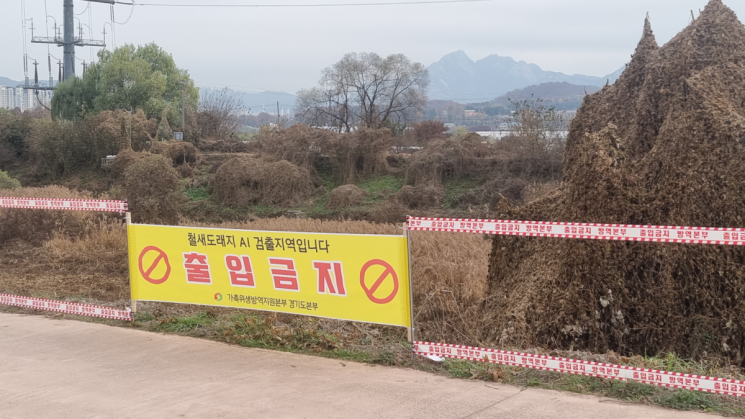
Goyang Special City (Mayor Lee Dong-hwan) has designated the period until February next year as a special livestock infectious disease prevention period and is strengthening quarantine measures against avian influenza, focusing on key points such as Janghang Wetland migratory bird habitat, major entry and exit routes within the city, and rivers.
In October, highly pathogenic avian influenza was detected in wild bird droppings in South Korea, raising the crisis alert level from ‘Caution’ to ‘Severe.’ Following the detection of HPAI in wild birds at Changneungcheon on November 19, Goyang City ordered movement restrictions on 150 poultry farms located within a 10 km radius.
Avian influenza is transmitted through wild migratory birds, which are difficult to control, making thorough quarantine essential. This winter, as in previous years, winter migratory birds infected with HPAI from Siberia and other regions are expected to enter the country, increasing the likelihood of virus transmission to farms via people and vehicles. In the United States, cases of avian influenza spreading to cattle and then infecting humans were reported in March.
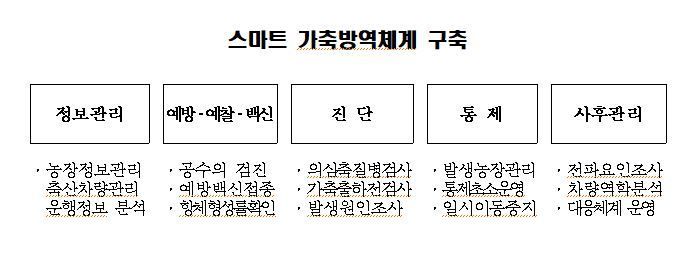
Goyang City is utilizing the National Integrated Livestock Quarantine System (KAHIS) big data to prevent and manage avian influenza. Based on nationwide linked big data, it analyzes risk factors for disease occurrence such as livestock vehicle movement, migratory bird influx, migratory bird habitats, farm surroundings, and livestock facilities and types to respond efficiently. Epidemiological investigations, which previously relied on paperwork and interviews with livestock owners and took over 20 hours, have been shortened to within 4 hours using big data.
After the detection of avian influenza at Changneungcheon, the city set up quarantine zones centered on the disease occurrence points using big data on livestock farms and quickly identified vehicles posing a risk of disease transmission, tracking livestock vehicles in real time via GPS monitoring.
Farms within the quarantine zones underwent emergency disinfection and movement restrictions, and Changneungcheon and surrounding roads are disinfected intensively every day. Three full-time farms are undergoing detailed inspections before shipment. Since 21 days have passed since sample collection without additional detections or outbreaks, the movement restriction order was lifted on the 4th. The city continues to maintain strengthened quarantine measures even after lifting the movement restrictions.
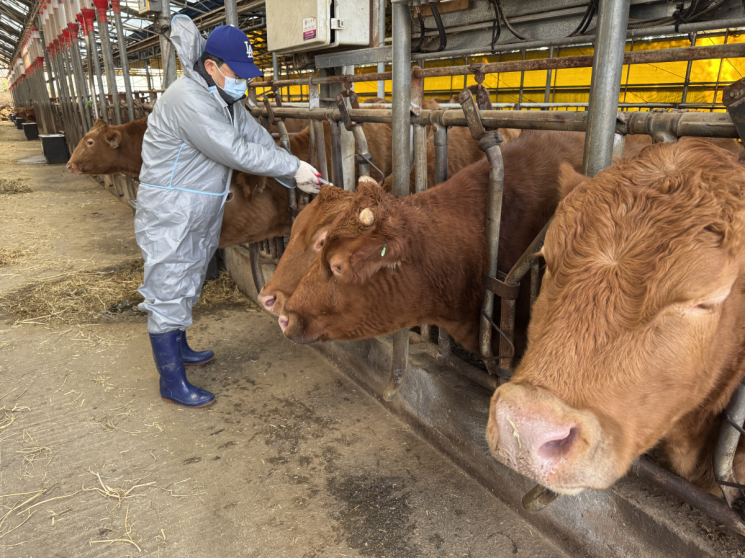
This year, Goyang City appointed six public veterinarians from among newly licensed veterinarians. These public veterinarians prevent disease outbreaks in advance through mass vaccination, livestock farm surveillance, animal health monitoring, and disease prevention consulting, and detect early signs of disease on-site to block disease spread.
The public veterinarians administered approximately 60,000 foot-and-mouth disease vaccinations for cattle, pigs, and goats, about 10,000 cattle vaccinations for Lumpy Skin Disease, and blood sampling examinations for about 4,000 cattle this year. Notably, although Lumpy Skin Disease has become a major nationwide issue with 107 cases in 2023 and 23 cases in 2024, Goyang City, which vaccinated all cattle, reported no cases.
Foot-and-mouth disease vaccinations are conducted twice annually for cattle and goats and more than four times monthly for pigs by public veterinarians, achieving antibody formation rates of 99.2% in cattle and 95.5% in pigs. Rabies, a zoonotic disease, was prevented with 5,824 vaccinations administered by 39 animal hospitals in the city. In rural areas with high contact potential with wild animals, 600 animals were vaccinated through direct visits to block rabies outbreaks in border areas.
Goyang City operates an on-site inspection team to block the spread of highly pathogenic avian influenza to poultry farms via winter migratory birds. The inspection team regularly checks compliance with avian influenza quarantine rules until February next year.
Particular focus is placed on inspecting whether small-scale farms with fewer than 100 birds practice free-range farming, which may be vulnerable to quarantine breaches, and corrective actions are taken if quarantine rules are violated. Violations of the Livestock Infectious Disease Prevention Act and related regulations will be strictly punished with administrative penalties such as fines and reductions in culling compensation.
Additionally, 13 CCTV cameras have been installed at entrances of pig farms within the city to monitor wild boar access to livestock farms in real time during winter. The location tracking of livestock vehicles is used to verify farm entry in real time, preventing the spread of African swine fever.
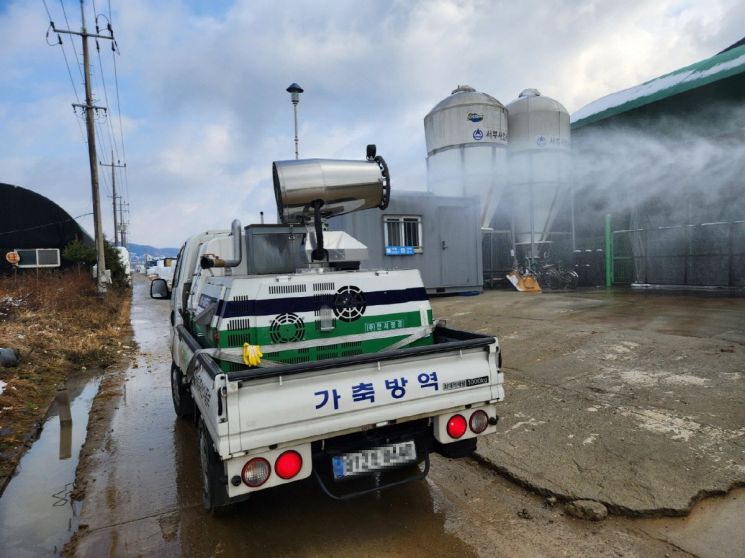
At the first key disinfection station within the Goyang Agricultural Technology Center, livestock vehicles and drivers are disinfected before entering high-risk areas and farms. A total of seven quarantine vehicles (five city quarantine vehicles and two Goyang Livestock Cooperative vehicles) regularly patrol and disinfect major points, rivers, and farm surroundings throughout the year. The city plans to strengthen education and publicity in collaboration with the Goyang Livestock Cooperative and seven livestock-related organizations to encourage farms to voluntarily comply with biosecurity measures.
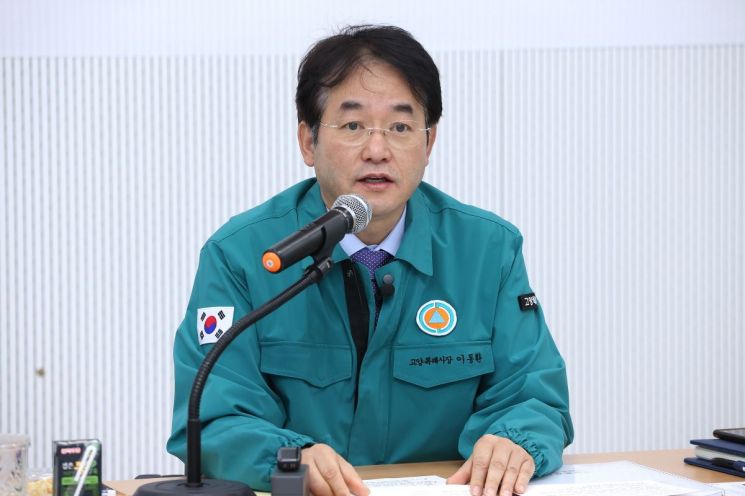
Mayor Lee Dong-hwan of Goyang City said, “Winter is a period when livestock infectious diseases such as avian influenza and African swine fever frequently occur. We will strengthen the establishment of a smart quarantine system using data for integrated surveillance, control, and quarantine management, and block the occurrence of malignant livestock infectious diseases through preventive vaccinations, examinations by public veterinarians, and strong quarantine measures.”
© The Asia Business Daily(www.asiae.co.kr). All rights reserved.



















