The Supreme Court's en banc ruling on whether conditional regular bonuses paid only to 'current employees' as of the payment date should be included in ordinary wages will be announced on the 19th.
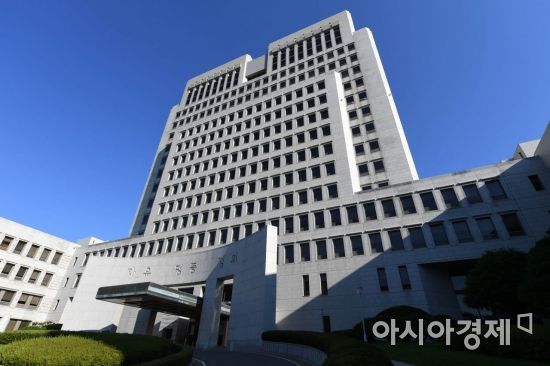
The Supreme Court en banc (Presiding Justice Oh Kyung-mi) will deliver the verdict at 2 p.m. on that day in the wage lawsuit appeal filed by current and former employees of Hyundai Motor Company and Hanwha Life Insurance against their companies.
In 2016, current and former employees of Hanwha Life Insurance filed a lawsuit claiming that regular bonuses paid only to employees who are employed as of the payment date should be considered ordinary wages, and demanded recalculation of wages including the regular bonuses. They argued that the existing wage agreement stating "bonuses are not paid to employees who retired before the payment date" was unfair.
The first and second trial courts ruled in favor of the employees, stating that the provision imposing the employment condition was invalid and that the regular bonuses met the requirements of ordinary wages.
In contrast, in the 2021 lawsuit filed by Hyundai Motor employees regarding regular bonuses with a provision excluding those who worked less than 15 days during the reference period from payment, both the first and second trial courts ruled against the plaintiffs, stating that the bonuses were ordinary wages.
The key issues in the two cases are the validity of the employment and working days conditions attached to the regular bonuses and whether the conditional regular bonuses meet the 'fixedness' requirement of ordinary wages. Fixedness means that the payment is guaranteed regardless of the employee's work performance, and generally, wages that require fulfillment of separate conditions for payment are considered to lack fixedness.
In 2013, the Supreme Court en banc ruled in the case of automobile parts manufacturer Gapul Autotech that while regular bonuses could be recognized as ordinary wages, conditional regular bonuses could not be considered ordinary wages.
However, recently, lower courts have issued rulings overturning previous precedents. In 2022, the Seoul High Court ruled in the Hanwha Life Insurance case that holiday and seasonal bonuses and some performance bonuses in question "cannot be considered different in impact on employees compared to salary," thus recognizing fixedness.
If a ruling is made that conditional regular bonuses can be considered ordinary wages, significant repercussions are expected. Most labor-management agreements on wages concluded since 2013 have been based on the Gapul Autotech precedent. The Korea Employers Federation (KEF) claimed that if the precedent changes, additional annual labor costs of approximately 6.7889 trillion won would occur.
© The Asia Business Daily(www.asiae.co.kr). All rights reserved.