Two Bacterial Species Isolated from Muan Seawater Identified with Environmental Restoration Genes
The National Honam Biological Resource Center, under the Ministry of Environment, has suggested the potential of two marine bacteria strains, isolated from the waters of Muan-gun on the 18th, to contribute to the decomposition of oil pollutants.
According to the National Honam Biological Resource Center, researchers analyzed the genomes of two Thalassotalea strains isolated from seawater collected in the waters of Muan-gun and confirmed that they possess various enzyme genes capable of decomposing aromatic compounds and alkanes found in crude oil.
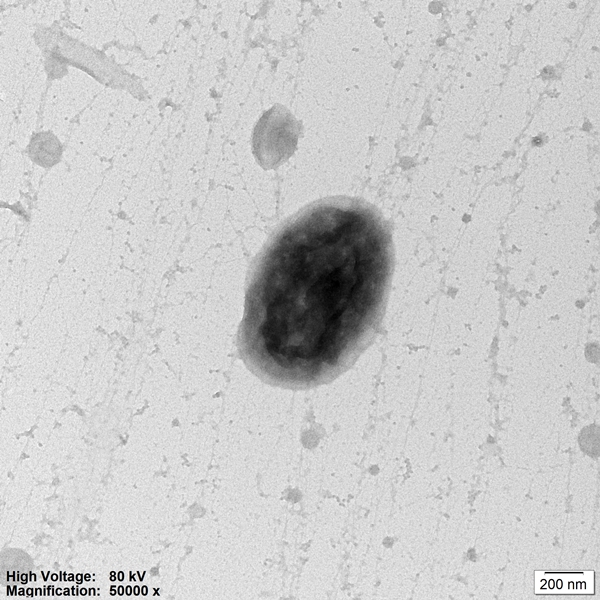 Thalassotalea aquiviva isolated from seawater collected in the waters of Muan County. Provided by the National Honam Biological Resources Center
Globally, oil pollution poses a serious threat to marine ecosystems, including reducing marine biodiversity. In particular, aromatic compounds and alkanes such as benzene and phenol, which are contained in crude oil, are highly toxic and persistent substances, making the development of effective remediation technologies urgently needed.
The National Honam Biological Resource Center plans to continue research activities to respond to crude oil pollution environments using these bacteria discovered through the "Development of Selection Technology for Island and Coastal Environmental Biological Resources" project, which has been promoted since 2024.
Choi Kyungmin, head of the Island Biological Convergence Research Laboratory at the National Honam Biological Resource Center, said, "We have scientifically proven the potential of marine bacteria isolated from seawater to remediate oil pollution. Based on this, we will contribute to environmental restoration and the maintenance of a sustainable marine ecosystem, and it will serve as important foundational data for future environmental technology development."
The results of this study were published in the December issue of the SCIE-level international journal 'Journal of Microbiology.'
© The Asia Business Daily(www.asiae.co.kr). All rights reserved.

















