First Decline in Tokyo Stock Exchange Listed Companies Since 2013
Pressure from Activist Funds and Shareholder Returns
This year, the number of companies delisted from the Tokyo Stock Exchange in Japan is expected to reach the highest level in 11 years. Analysts suggest that more listed companies are seeking to secure business autonomy by escaping pressure from securities authorities and shareholders to enhance corporate value.
The Nihon Keizai Shimbun (Nikkei) reported on the 15th that the number of companies delisted from the Tokyo Stock Exchange this year is expected to increase by 54% compared to the previous year, reaching 94 companies?the highest since 2013. As a result, the number of listed companies on the Tokyo Stock Exchange, excluding new listings and delistings, is estimated to decrease by one from the previous year to 3,842. This marks the first decline in the number of listed companies on the Tokyo Stock Exchange since its merger with the Osaka Securities Exchange in 2013.
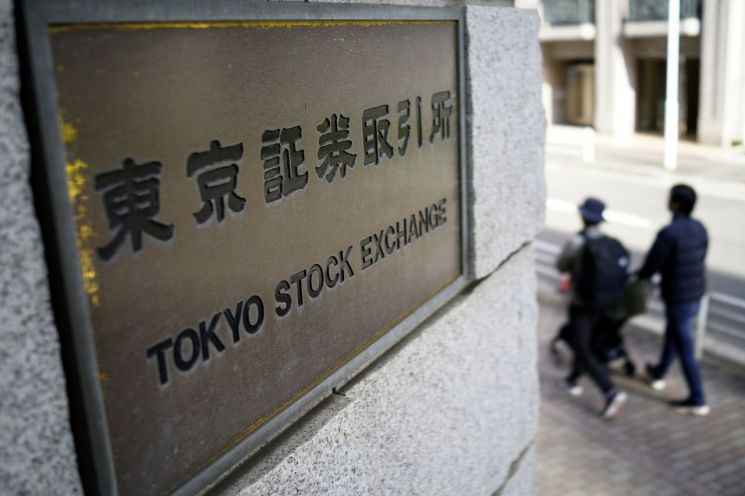
Nikkei conveyed the atmosphere, stating, "The demands from the Tokyo Stock Exchange and investors for increased corporate value are growing," and "Many companies are delisting by voluntarily leaving the market or being acquired by other companies or investment funds to gain management freedom."
Recently in Japan, the number of companies choosing delisting through MBO (Management Buyout) to pursue medium- to long-term reforms with guaranteed autonomy, escaping shareholder return pressures from activist funds and other investors, has been increasing. According to local M&A information provider Recop, the scale of MBOs conducted for delisting last year exceeded 1 trillion yen in stock purchase amount, surpassing the previous record of 305 billion yen set in 2020.
When a company delists via MBO, it faces risks such as limited financing options and a decline in company recognition and credibility, but it also has the advantage of concentrating control in a small number of shareholders, speeding up management decision-making. Recently, the owner family of Daisho Pharmaceutical, a large pharmaceutical company that delisted through a record-breaking 710 billion yen tender offer in a Japanese corporate MBO, pointed out that "stock market listing could become an obstacle to implementing the company's medium- to long-term measures such as upfront investment and fundamental restructuring."
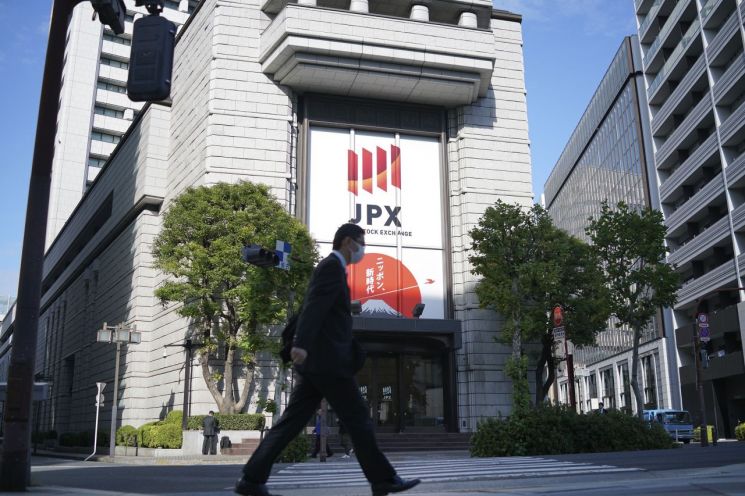
Nikkei analyzed, "From 2013 to 2023, the number of listed companies in Japan increased by more than 40 annually on average, but there has been criticism that this is too many," adding, "If companies can renew their stock prices through such delistings, it could become a driving force to attract investment funds from around the world." According to the World Federation of Exchanges (WFE), it has been confirmed that in recent years, the number of listed companies in Europe and the United States has been reduced by nearly half over the past 10 to 20 years, showing that companies are not solely dependent on fundraising through listing.
The trend of delisting on the Tokyo Stock Exchange is expected to continue in 2025. Currently, the Tokyo Stock Exchange is demanding improvements from companies with a PBR (Price-to-Book Ratio) of 1 or less, and shareholder return demands are expanding, causing the costs of maintaining listings to continue increasing. Additionally, from March next year, there are reports that plans are being discussed to raise listing maintenance standards for growth stocks on the Tokyo Stock Exchange to encourage the exit of companies with poor stock performance.
Regarding this, Nikkei emphasized, "Even if the number of listed companies decreases, growth stocks will not immediately appear," and "Japan lacks advanced technology companies like the US’s ‘Magnificent Seven.’ The issue is how to nurture growth companies." Kazunori Takebe, Japan equity strategist at Goldman Sachs, pointed out, "Companies that choose to remain in the market will face pressure to achieve growth that exceeds the costs of listing."
© The Asia Business Daily(www.asiae.co.kr). All rights reserved.
![Clutching a Stolen Dior Bag, Saying "I Hate Being Poor but Real"... The Grotesque Con of a "Human Knockoff" [Slate]](https://cwcontent.asiae.co.kr/asiaresize/183/2026021902243444107_1771435474.jpg)











