Gathering Scattered Statues of Teacher I Jiham to Enhance Symbolism and Recreate as a Rest Area for Residents
Formerly Neglected Green Space Reborn as a Loess Trail for Health Improvement and Leisure Time
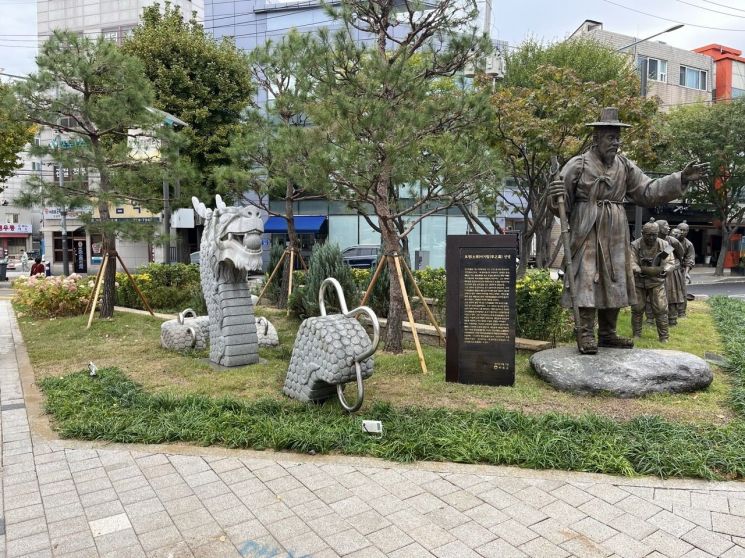
Mapo-gu, Seoul (Mayor Park Gang-su) has attracted attention by consecutively completing projects that promote residents' health and allow them to reflect on local history.
These are the newly renovated 'Tojeong Rest Area' on the Tojeong-ro traffic island and the 400-meter-long 'Tojeong Nadeulmok Clay Road' created in the greenbelt along the Han River in Yonggang-dong.
The Tojeong Rest Area was established on the traffic island of Tojeong-ro, named after the pen name 'Tojeong' of the Joseon Dynasty scholar Lee Ji-ham.
Lee Ji-ham, known as Tojeong, lived for a long time along the Mapo riverside (currently Yonggang-dong) and devoted himself to relief activities for the people, adding historical significance to Yonggang-dong.
This rest area project was initiated to solve the problem that the statues related to Lee Ji-ham, scattered throughout Yonggang-dong, were individually installed and failed to fully convey their meaning.
By gathering these statues in one place and organizing them into a rest area, the historical context was clarified, allowing local residents and visitors to easily understand their value.
At the center of the rest area, a statue of Lee Ji-ham was installed, transforming the space into one that honors his life and achievements.
Along with this, the dragon statue was repositioned to face the Han River, emphasizing the identity embedded in the name Yonggang-dong, which means 'Dragon Head Neighborhood.'
Additionally, through the 'Salt Tax Statue,' Lee Ji-ham's relief activities were reenacted, transforming the rest area into a special space with historical and cultural significance rather than just a simple resting place.
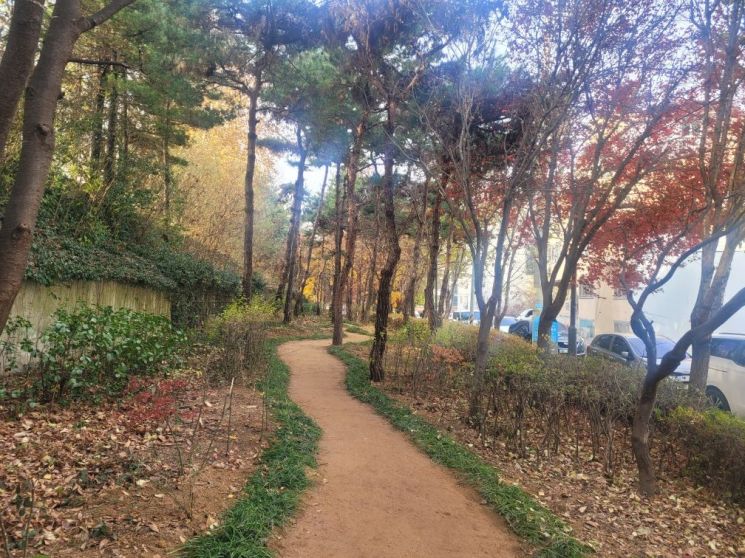
The Tojeong Nadeulmok Clay Road is a newly created 400-meter barefoot path in the greenbelt area that had seen little foot traffic, fulfilling a long-standing wish of the residents.
With the creation of this clay road, the area has been transformed into a space where residents can improve their health and enjoy leisurely time, allowing them to experience the joy of walking in nature while taking care of their health.
Mapo-gu is accelerating the barefoot clay road project by enacting the 'Ordinance on the Promotion of Barefoot Walking in Mapo-gu, Seoul' in May 2024.
Including the Tojeong Nadeulmok Clay Road, dedicated barefoot walking paths have been created throughout the region, such as Nanji Theme Tourism Forest Trail, Saetteo Neighborhood Park, Seongmisan, and Dohwa-dong, enabling residents to enjoy leisure and relieve stress in nature.
Park Gang-su, Mayor of Mapo-gu, said, "The Tojeong Rest Area and Tojeong Nadeulmok Clay Road are special projects unique to Mapo-gu that go beyond simple space creation to encompass residents' health and local history," adding, "We will continue to create various spaces where residents can enjoy leisure in nature and reflect on the history and culture of the region."
© The Asia Business Daily(www.asiae.co.kr). All rights reserved.


















