'Nakdonggang', 'Don', and 'Seongchunhyang' Together
Materials Revealing Social and Daily Life in Modern and Contemporary Periods
Four classic Korean films will be managed as National Registered Cultural Heritage. They are Director Jeon Chang-geun's Nakdonggang (1952), Director Kim So-dong's Don (1958), Director Kim Ki-young's The Housemaid (1960), and Director Shin Sang-ok's Seong Chun-hyang (1961).
The Cultural Heritage Administration announced on the 11th that it plans to preserve and manage these works, held by the Korean Film Archive, as National Registered Cultural Heritage to widely promote the value of Korean cinema to future generations. After collecting opinions from various sectors for a month and undergoing review by the Modern and Contemporary Cultural Heritage Subcommittee, the final registration will be decided.
Eight classic Korean films are already managed as National Registered Cultural Heritage. These include Director Ahn Jong-hwa's Cheongchun-ui Sipjaro (1934), Director Yang Ju-nam's Mimong (1936), Director Choi In-gyu's Jayu Manse (1946), Director Yoon Dae-ryong's Gumsa wa Yeoseonsaeng (1948), Director Yoon Yong-gyu's Maeum-ui Gohyang (1949), Director Lee Kang-cheon's Piagol (1955), Director Han Hyung-mo's Jayu Buin (1956), and Director Lee Byung-il's Sijibganeun Nal. All of these are important materials that reveal the social and daily life aspects of the modern and contemporary period.
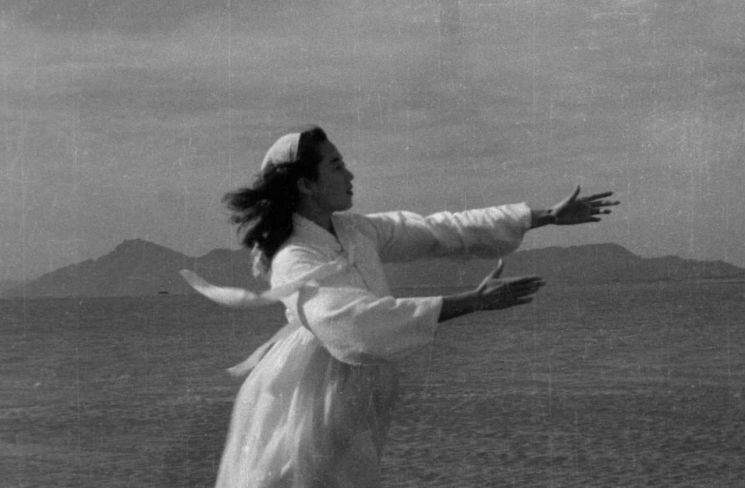
The works newly announced for registration are no different. Nakdonggang was produced during the Korean War and holds high historical value. It tells the story of a protagonist who returns to the Nakdong River basin after graduating from university, enlightening the villagers and striving to create a better community. Through scenes of the Nakdong River battle, it depicts the horrors of war. The Cultural Heritage Administration stated, "It offers a glimpse into the passion of contemporary cultural artists who did not cease creative activities even during wartime."
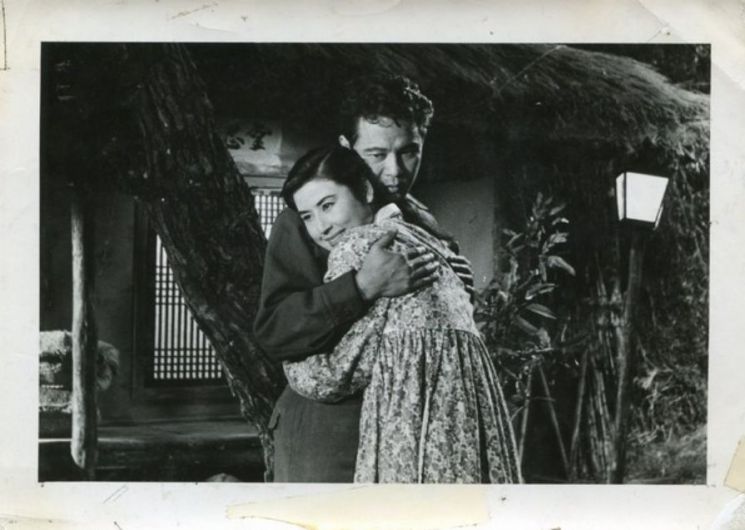
Don is a realism film depicting the tragic reality of rural areas during industrialization. Through the innocent farmer protagonist, it candidly exposes rural issues such as usury and the prevalence of swindlers, which were problems at the time. It realistically and tragically portrays the harsh rural conditions during the transition to an industrial society.
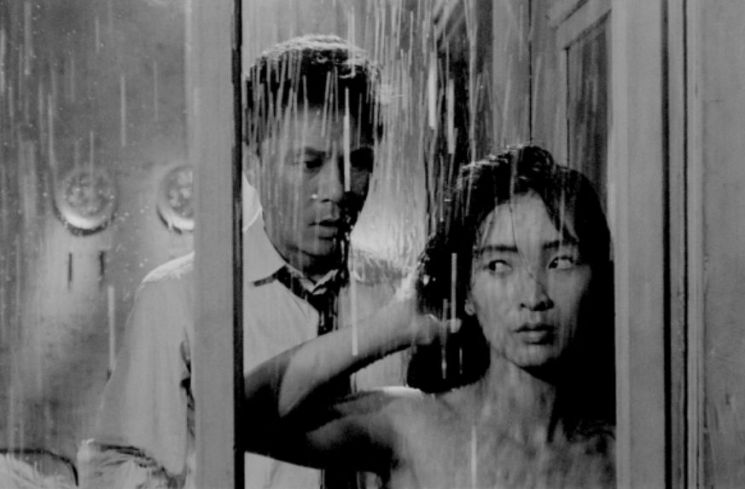
The Housemaid is a representative work in Korean film history expressing human desire and repression centered on a housemaid dreaming of social advancement. Set in a two-story detached house, it creates an atmosphere of fear and anxiety, revealing the tensions and contradictions of Korean society at the time. It was selected as the greatest film of all time in the "Top 100 Korean Films" announced by the Korean Film Archive last May, boasting outstanding artistic quality.
Seong Chun-hyang was the highest-grossing film of the 1960s and the first domestic color CinemaScope film. CinemaScope refers to a method using special lenses to compress a wide range into a shot and then enlarge it for projection on a widescreen. This allows vivid colors to be realized on a wider screen.
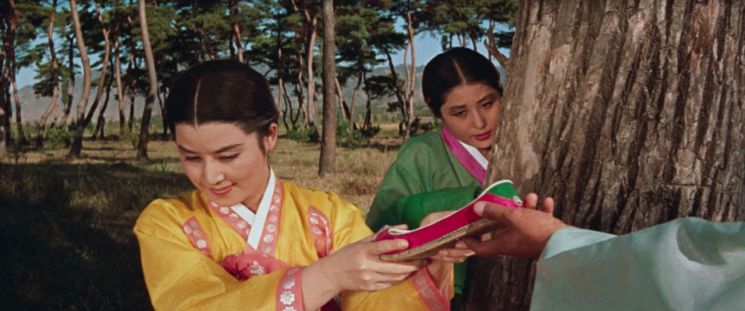
The Cultural Heritage Administration commented, "It demonstrates the technological changes in the Korean film industry by providing rich visual experiences through brilliant colors," and added, "It holds great significance in film history as its artistic value has been recognized both domestically and internationally, including submissions to overseas film festivals."
© The Asia Business Daily(www.asiae.co.kr). All rights reserved.
![From Hostess to Organ Seller to High Society... The Grotesque Scam of a "Human Counterfeit" Shaking the Korean Psyche [Slate]](https://cwcontent.asiae.co.kr/asiaresize/183/2026021902243444107_1771435474.jpg)


















