Artifacts Showing the West Sea Coastal Route Stopover
Discovery of Ancient Ships Fails "Underwater Excavation to Continue Next Year"
Additional artifacts have been discovered in the Seonyudo waters of Gunsan, indicating its role as a stopover point on the West Sea coastal route.
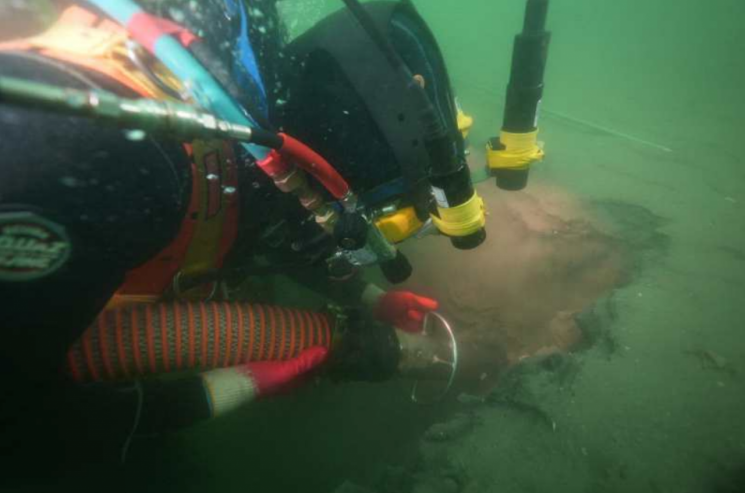
The National Heritage Agency's National Marine Heritage Research Institute announced on the 29th that it excavated over 220 artifacts from the area during investigations conducted from April to October.
The Seonyudo waters survey began in 2021 following a report from a diver who spotted artifacts underwater. Until last year, the institute had excavated over 660 artifacts spanning various periods. These include prehistoric stone daggers first found through underwater excavation, Goryeo celadon, and Joseon Dynasty Buncheong and white porcelain. This proved that the Seonyudo waters served as a hub for maritime activities not only in ancient and medieval times but also in the early modern period.
This time, about 190 ceramic artifacts including celadon and around 20 metal artifacts such as bronze spoons and Sangpyeong Tongbo coins were excavated. Although the much-anticipated old wooden ship was not found, bundles of celadon cargo and ship equipment like oars and anchors were confirmed.
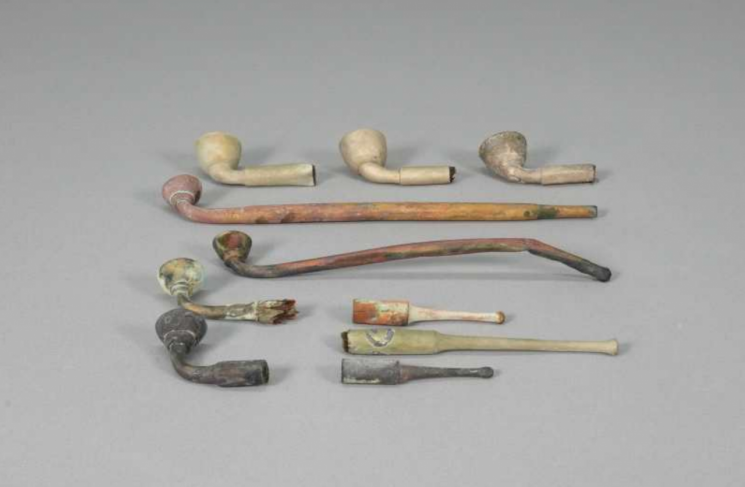
The most frequently found artifacts were from the Joseon Dynasty, including Buncheong ware, white porcelain, and gombangdae (a device used for smoking finely shredded tobacco). All are presumed to be cargo transported by ships rather than items used by the crew.
An institute official stated, "Except for the early Joseon Dynasty transport ship ‘Mado No. 4’ excavated in Taean, most of the Joseon-era artifacts recovered from underwater were either used by sailors or lost items, which is noteworthy."
Several wooden anchor stocks were also found buried in mud (a dark, smooth fine soil found on seabeds or swamp bottoms). The anchor stock is the hook part that embeds into the seabed to secure the anchor.
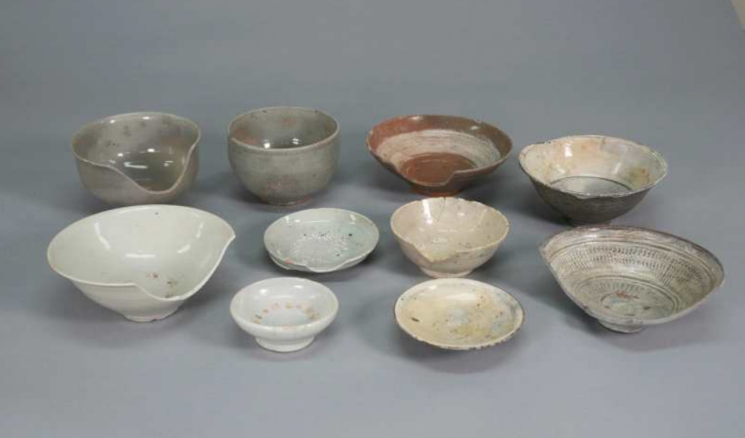 Buncheong and Baekja ceramics excavated from the Seonyudo sea area
 [Photo by the Cultural Heritage Administration]
The institute official explained, "These artifacts are significant as they substantiate the record in the late Joseon Dynasty 'Mangyeonghyeon Gogunsanjin Map' describing the area as a place where transport ships and vessels seeking shelter or waiting for favorable winds stayed." He added, "We plan to continue underwater excavations next year to share the findings with both academia and the public."
© The Asia Business Daily(www.asiae.co.kr). All rights reserved.



















