1 in 10 Undergoing Pregnancy Procedures Are Single
More Than Tripled in the Last 10 Years
"Being Alone Is Actually More Comfortable and Easier"
In the UK, cases of single women without husbands or partners attempting pregnancy through methods such as artificial insemination have significantly increased.
According to statistics from the Human Fertilisation and Embryology Authority (HFEA) in the UK on the 26th (local time), among 55,560 women who underwent donor insemination (DI) or in vitro fertilization (IVF) procedures in 2022, 4,969 were single women, accounting for 8.9%. This figure is more than three times higher than the 3.2% (1,534 women) of all women who underwent procedures in 2012. This means that one in ten women receiving pregnancy treatments does so without a spouse or partner.
During the same period, the number of women undergoing procedures while having same-sex partners increased more than twofold, from 1,442 (3.0%) to 3,504 (6.3%). Accordingly, the proportion of women with male partners decreased from 93.9% (45,437) to 84.7% (47,087). The average age at which single women first received IVF treatment was 36.4 years, down from 37.9 years a decade ago, marking the lowest point. Many single women also freeze their eggs; from 2018 to 2022, 89% of women who stored eggs were single. However, only 13% of single women actually thawed their eggs for pregnancy treatments.
Claire Ettinghausen, Director of Strategy and Corporate Affairs at HFEA, explained to The Telegraph, "This may be due to reduced social stigma and changes in priorities following the COVID-19 pandemic." She added, "In recent years, more and more single women have been receiving fertility treatments, and as conversations about this have become more widespread in society, it seems that people who are alone feel ready to make choices related to pregnancy."
The Guardian also reported voices from this group, stating, "Rather, more people feel that single-parent families are freer." Amy, a woman in her 40s who decided to undergo fertility treatment during the COVID-19 pandemic, succeeded in her first procedure and gave birth. She said, "Being alone during the sensitive period of treatment actually made the process easier," and added, "People often ask how I broke up with my partner. At those times, I like being able to say, 'No, I did this (pregnancy and childbirth) on my own.'"
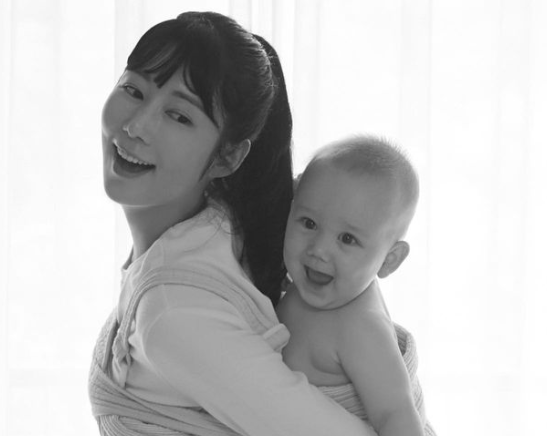
In South Korea, broadcaster Sayuri attracted attention after it became known that she gave birth alone using donated sperm. Sayuri gave birth to her son Fujita Zen in November 2020 without being married. She stated, "I thought it was not right to marry someone I didn't like just to give birth." She continued, "I had been freezing my eggs since my 30s, but my health rapidly deteriorated, and I was diagnosed that if I missed this period, I would never be able to have children." She added, "In the end, I chose the option to give birth alone. Of course, I believe that having a child with someone you love is the best."
© The Asia Business Daily(www.asiae.co.kr). All rights reserved.


















