Increase in Heatwave Days Due to Abnormal Weather
Outdoor Activities and Intense Exercise Advised Against During Ozone Alerts
The Gyeonggi-do Institute of Health and Environment Research operated the ozone warning system from April to October and issued a total of 44 ozone advisories, marking the highest number of advisories since the ozone warning system was implemented in 1997.
Looking at the number of ozone advisories issued over the past five years, there were 27 days in 2020, 30 days in 2021, 24 days in 2022, and 37 days in 2023, showing an increasing trend each year. This year, from the first ozone advisory issued on April 14 to the last on September 10, a total of 44 days were recorded, a 19% increase compared to the previous year.
Ozone is a secondary pollutant generated by photochemical reactions between nitrogen oxides (NOx) and volatile organic compounds (VOCs) under strong ultraviolet light. It occurs more frequently under low wind speed conditions and is closely related to weather conditions.
The institute estimates that the record high number of ozone advisories this year is due to weather conditions caused by abnormal high temperatures. The average temperature rose, and the number of heatwave days increased by 69%, from 13 days last year to 22 days this year, creating weather conditions conducive to the formation of high concentrations of ozone.
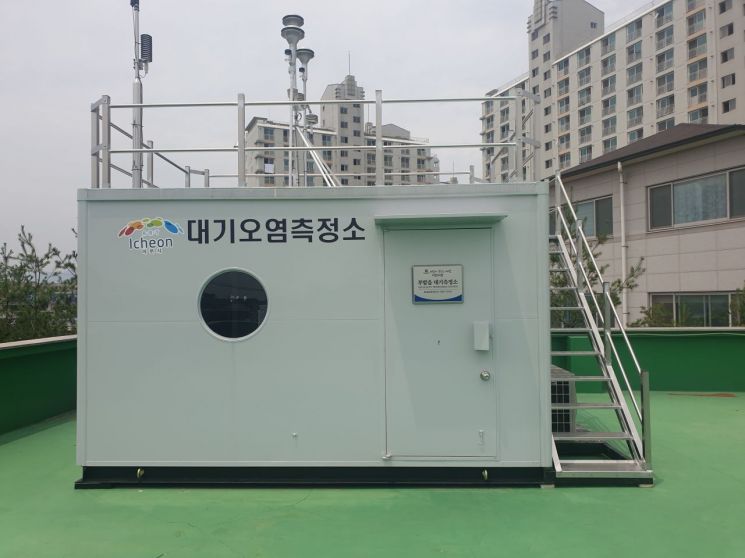
Gyeonggi-do has designated the period from April to October, when ozone concentrations rise, as the intensive management period for ozone advisories and continuously monitors ozone levels. Ozone concentrations in the atmosphere are measured through 122 air monitoring networks operated across 31 cities and counties in Gyeonggi-do, and the ozone warning system is implemented by dividing the region into four zones: northern, eastern, central, and southern.
The ozone warning system is classified based on hourly ozone concentration: advisory at 0.12 ppm or higher, warning at 0.3 ppm or higher, and severe warning at 0.5 ppm or higher.
Although no warnings or severe warnings have been issued in South Korea yet, the average ozone concentration in Gyeonggi-do over the past five years has shown a continuous increase: 0.028 ppm in 2020, 0.029 ppm in 2021, 0.029 ppm in 2022, 0.0306 ppm in 2023, and 0.0339 ppm in 2024, indicating the need for caution.
Continuous exposure to ozone, which has strong irritant properties, can cause symptoms such as chest pain, coughing, nausea, and indigestion. Especially vulnerable groups such as patients with bronchitis, heart disease, asthma, children, and the elderly should avoid outdoor activities and strenuous exercise on days when ozone levels are high.
The Gyeonggi-do Institute of Health and Environment Research provides real-time ozone and fine dust data on the Gyeonggi-do Air Environment Information Service website to protect residents' health. Those who wish to receive alert messages can apply for the free notification service through the website.
© The Asia Business Daily(www.asiae.co.kr). All rights reserved.

















