Japan National Team's Yasukuni Shrine Visit History Sparks South Korea's 'Boycott'
The memorial ceremony for the Sado Mine, where Koreans were forced into labor during the Japanese colonial period, was held on the 24th amid a boycott by the South Korean government.
The Sado Mine Memorial Ceremony Executive Committee in Japan held the 'Sado Mine Memorial Ceremony' at 1 p.m. on the same day at the Aikawa Development Comprehensive Center in Sado City, located on the west side of Sado Island in Niigata Prefecture, with only Japanese officials in attendance.
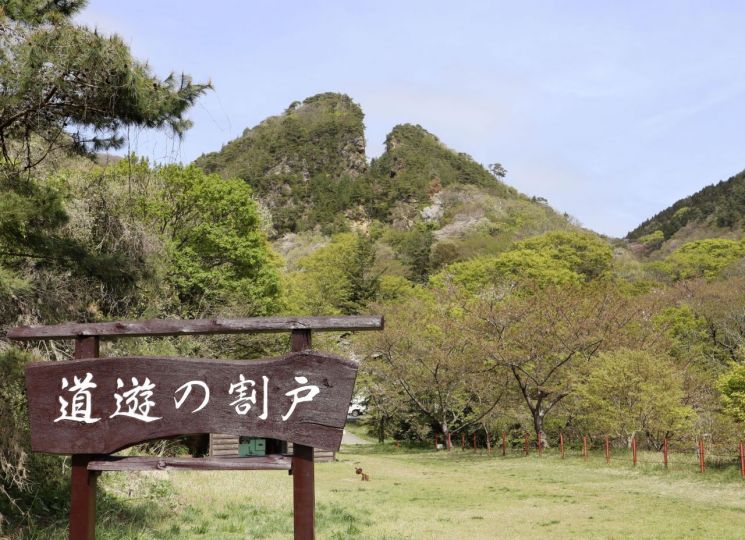
Originally, the event was scheduled to be attended by bereaved families from Korea and officials from both the South Korean and Japanese governments. However, due to issues such as the Japanese side's representative having a history of visiting Yasukuni Shrine, the South Korean government made a sudden decision to withdraw from the event a day before, resulting in a 'half-hearted' ceremony.
The ceremony consisted of a moment of silence, memorial speeches, and flower offerings. Due to the absence of the Korean side, only Ikuiina Akiko, a political official (vice-minister level) from the Japanese Ministry of Foreign Affairs representing the central government, read the memorial speech. In addition, local government and civic organization officials, including Hanazumi Hideyo, Governor of Niigata Prefecture, and Watanabe Ryugo, Mayor of Sado City, attended.
Ikuiina, the political official who was the cause of the ceremony being a 'half event,' has a record of visiting Yasukuni Shrine on August 15, 2022, the day Japan surrendered in World War II, where Class A war criminals of the Pacific War are enshrined. This has led to criticism that having a person who visited Yasukuni Shrine, which glorifies Japanese imperialist aggression, attend an event commemorating Korean laborers who suffered forced labor under Japanese rule as the Japanese representative is an insult to the Korean bereaved families.
On the Korean side, bereaved families of forced labor victims and diplomatic officials including Park Cheol-hee, the South Korean ambassador to Japan, were initially scheduled to attend. Nine Korean bereaved families have already arrived in Japan and plan to hold a separate memorial ceremony on Sado Island with Ambassador Park, as well as inspect facilities related to the Sado Mine workers.
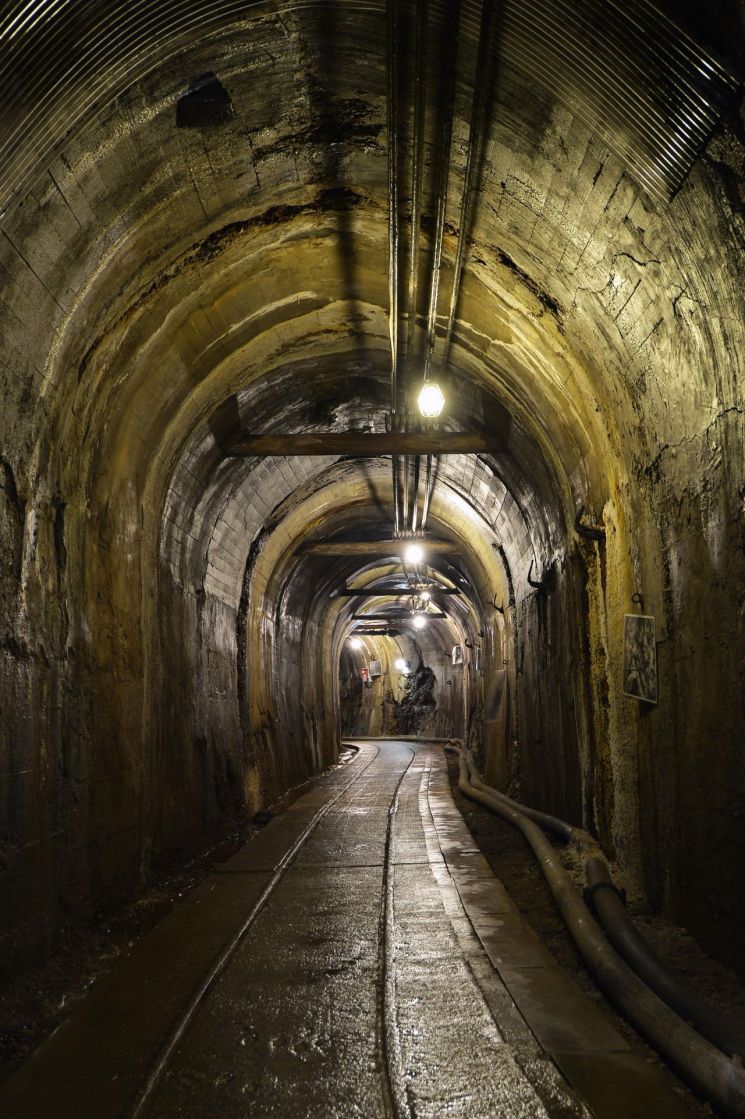
The memorial ceremony was the first event following Japan's promise to South Korea to hold an annual ceremony when the Sado Mine was registered as a UNESCO World Cultural Heritage site in July. Previously, Japan faced criticism for attempting to limit the heritage period to the Edo period, mainly from the 16th to mid-19th century, thereby ignoring the history of forced Korean labor. In response, the South Korean government repeatedly demanded that the 'entire history' be reflected, and Japan agreed to install exhibits related to Korean laborers and hold a memorial ceremony.
Concerns about whether the ceremony could be conducted in a manner that truly honors the Korean laborers were raised continuously during the Korea-Japan consultation process. It was reported that Japan insisted on including the term 'gratitude' in the official event name, but the South Korean government opposed this, and the official name was ambiguously decided as 'Sado Mine Memorial Ceremony,' which does not specify the subjects of commemoration. Additionally, the fact that the South Korean government bore the costs for the Korean bereaved families' attendance was criticized as a lack of sincerity on Japan's part.
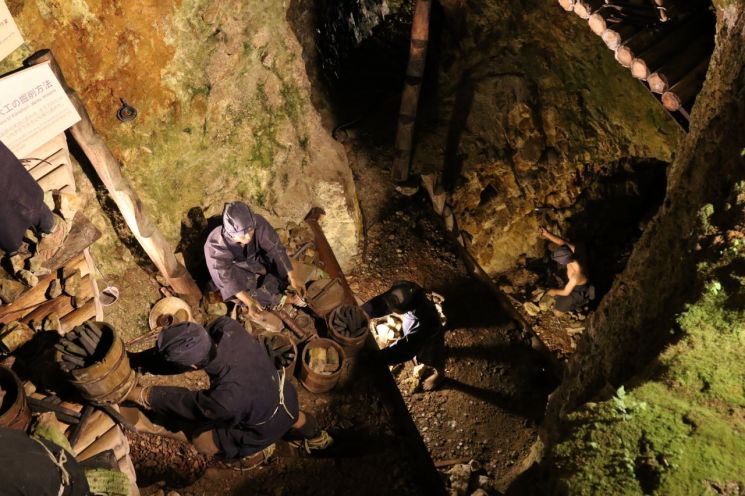
The Sado Mine was famous as a gold mine during the Edo period (1603?1867), and after the Pacific War intensified, it was mainly used as a mine to secure war materials such as copper. During this time, colonial Koreans were forcibly mobilized and subjected to harsh conditions and discrimination, sacrificing their lives in labor. According to historian Takeuchi Yasuto, it is estimated that more than 1,500 Koreans were mobilized to the Sado Mine.
© The Asia Business Daily(www.asiae.co.kr). All rights reserved.
![User Who Sold Erroneously Deposited Bitcoins to Repay Debt and Fund Entertainment... What Did the Supreme Court Decide in 2021? [Legal Issue Check]](https://cwcontent.asiae.co.kr/asiaresize/183/2026020910431234020_1770601391.png)

















