No Public Feedback Gathered, Ignoring Local Characteristics Sparks Backlash
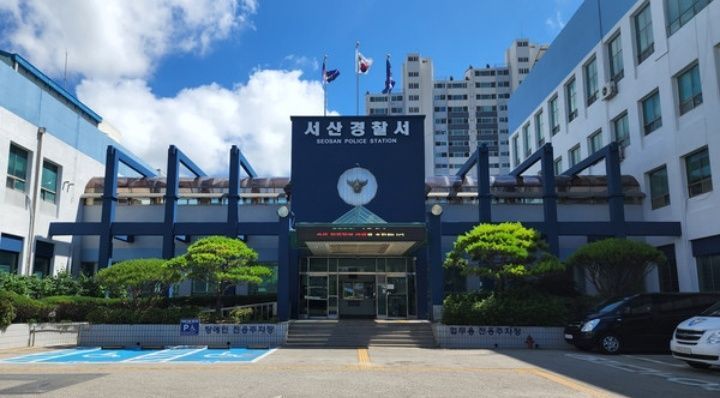
As Seosan Police Station in Chungnam begins to push forward with the full-scale implementation of the Central Regional Police Station System, local residents in areas such as Seongyeon-myeon are strongly opposing the move, calling it "desk-bound administration that ignores local realities."
According to Seosan Police Station and other sources on the 21st, the Central Regional Police Station System is a policy that groups together two or three police substations and police boxes, designating one as the central station and the others as community stations.
At community stations where the demand for policing is low, only the minimum number of personnel will remain, while the rest are transferred to the central station to handle 112 emergency calls and preventive patrols.
After pilot operations in population-declining areas such as Gwangju and North Gyeongsang in 2021, and in metropolitan areas like Seoul last year, the system has been expanding nationwide since July this year.
According to data received by lawmaker Kim Sangwook (People Power Party) from the National Police Agency, as of September, 296 police substations and police boxes nationwide have been designated as central stations, and 353 as community stations.
However, it has been confirmed that in some regions, the system has faced difficulties, with implementation being scrapped entirely due to residents' opposition. In Ansan, Uiwang, and Anyang in Gyeonggi Province, plans for integrated operation were withdrawn due to local resistance.
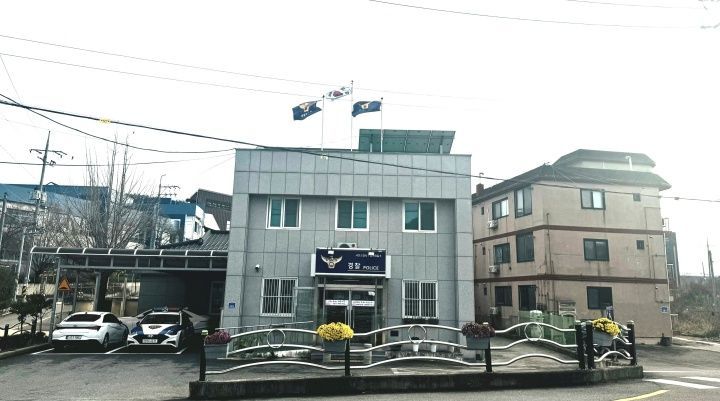
Currently, the Seosan area operates two police substations, five police boxes, and five security centers.
Seosan Police Station reportedly plans to designate Seobu Substation, Dongbu Police Box, and Daesan Substation as central regional stations, with the remaining stations staffed only by the station chief and an administrative officer during the day.
A leader of a social organization in Seongyeon-myeon stated, "This is a typical case of desk-bound administration that neither collected residents' opinions nor considered geographical conditions," adding, "As of the end of October this year, Seongyeon-myeon has a population of 17,436, which is 4,549 more than Daesan-eup, and has more crime reports and dispatches. So why Daesan?"
He continued, "The police should decide whether to implement the system only after considering both the local demand for policing and the opinions of local residents," emphasizing, "In particular, the fact that Seongyeon Police Box has jurisdiction up to Oscarville Apartments in Jigok-myeon should be taken into account when implementing the system."
Another social organization leader in the same area said, "If a report is received at Daesan Substation and officers have to be dispatched to Seongyeon-myeon or Palbong-myeon, it will take at least 20 to 40 minutes," adding, "It's clear that accident response and initial measures will not be possible. If the police push ahead with the regional central station system as it is, we are even considering collective action."
In relation to this, the National Police Workplace Council also held a press conference on September 25 opposing the implementation of the regional central station system, stating, "Rather than enforcing the system without even holding a briefing for residents, the police should carefully consider what the residents truly need before deciding whether to implement it."
© The Asia Business Daily(www.asiae.co.kr). All rights reserved.


















