Ministry of Health and Welfare to Identify 6th Welfare Blind Spots by January Next Year
The government will check 400,000 people showing signs of crisis by March next year to identify welfare blind spots during the winter season.
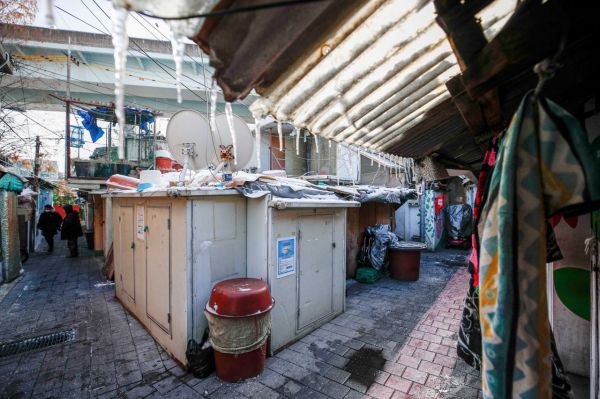
On the 22nd, the Ministry of Health and Welfare announced that from the 25th of this month until January 17 next year, it will conduct the "6th Welfare Blind Spot Discovery of 2024" in cooperation with local governments nationwide for about two months.
The welfare blind spot discovery is conducted bimonthly throughout the year (six times annually). It collects and analyzes crisis information from 21 agencies, such as power and water outages, to select individuals with a high likelihood of economic crisis. Then, the local governments' "Visiting Health and Welfare Service Teams" conduct on-site verification and investigations.
Since December 2015 through 2023, this welfare blind spot discovery system has identified 6.66 million households with crisis information (cumulative) and provided welfare services such as public benefits including basic livelihood security and emergency support, as well as connections to private resources, to 2.9 million people.
This year's winter welfare crisis household discovery will be conducted twice, from this month to January next year and from January to March next year, targeting about 400,000 people in total. The 6th discovery will target about 200,000 people.
The government plans to focus on identifying vulnerable groups according to the "Winter Welfare Crisis Household Discovery and Support Measures" established at the State Affairs Ministerial Meeting held the previous day. The target includes people with crisis factors such as disabled persons, elderly living alone, and housing-vulnerable households who have had electricity, gas, or water cut off or have overdue bills.
Additionally, beneficiaries of customized benefit guidance (Welfare Membership) or existing welfare service applicants whose recognized income has decreased and who are likely eligible for additional cash benefits (such as livelihood benefits, disability pensions, etc.) will also be selected and supported.
Furthermore, information on those who applied for but were rejected for policy low-income financial products such as Saessal Loan 15, Special Guarantee for Lowest Credit Borrowers, and Small Livelihood Loans will newly be used for discovering crisis households. Accordingly, the types of crisis information used for discovering crisis households will expand from 46 to 47. The Ministry of Health and Welfare expects that by utilizing this additional information, it will be able to more thoroughly identify financially vulnerable groups who may be in welfare blind spots.
Bae Hyung-woo, Welfare Administration Officer at the Ministry of Health and Welfare, stated, "We will do our utmost in cooperation with local governments nationwide to support vulnerable groups who may face increased difficulties due to the cold wave this winter."
© The Asia Business Daily(www.asiae.co.kr). All rights reserved.

















