Amid growing concerns over a tariff war ahead of the inauguration of President-elect Donald Trump, there are forecasts that strikes could resume at ports in the southeastern United States early next year. This comes as uncertainties surrounding the trade supply chain are intensifying.
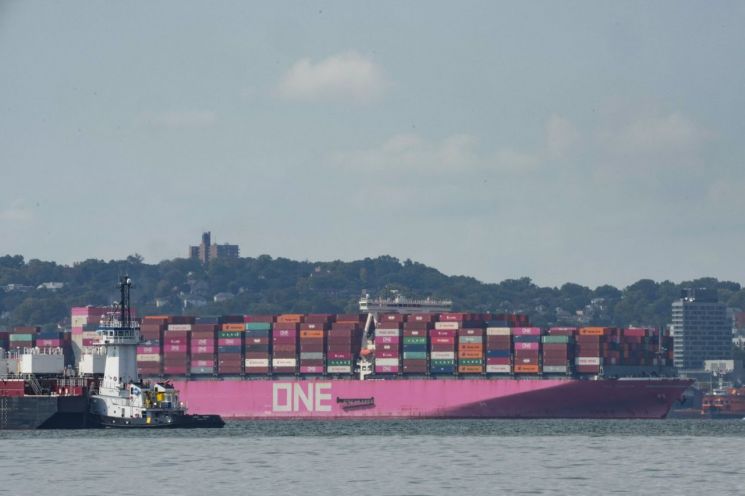
On the 19th (local time), economic media CNBC reported that early next year, when Trump takes office, the U.S. trade and global supply chains will face a double blow of tariffs and strikes. CH Robinson informed its customers that new tariffs could be applied as early as late February or early March. The company noted, "Given the ongoing uncertainty over port labor, there is a possibility of tariff increases in the first quarter," and added, "Shippers should expect to strategically increase inventory from Asia." This suggests that companies will likely increase imports before high tariffs are imposed.
However, there is also a possibility of strikes at ports on the U.S. East Coast and Gulf Coast in mid-January. The port union strike that halted operations at 36 ports over three days was resolved with a wage increase, but there remains significant disagreement over port automation, which was one of the contentious issues at the time. The deadline for collective bargaining agreements is January 15 next year. If disagreements are not resolved, a second strike will be inevitable. Corey Rhoad, CEO of Everstream Analytics, expressed concern, saying, "Considering the extended negotiation deadline and disputes over automation, there is a high likelihood of strikes resuming in January."
The October port strike ended after three days, but its effects lasted for several weeks. According to Everstream Analytics, on October 4, the day the strike ended, there were 54 container ships waiting outside ports, compared to only five before the strike began. CEO Rhoad said, "Some ports are still in a state of confusion," especially Savannah. He also pointed out that companies with inventory levels of 4 to 6 weeks could face difficulties in supply if a new strike occurs.
U.S. retail and distribution companies such as Walmart and Lowe's have warned that if the so-called 'Trump tariffs' become a reality, price increases for some products will be inevitable. John David Rainey, Walmart's Chief Financial Officer (CFO), said in an interview with CNBC after announcing third-quarter earnings, "We do not want to raise prices," but added that if President-elect Trump's tariff increase pledges materialize, they will have to raise prices on some items. Walmart is the first major U.S. retailer to announce third-quarter earnings.
Marvin Ellison, CEO of Lowe's, also expressed concerns about the impact of Trump tariffs and confirmed that they are preparing for various scenarios. CFO Brandon Sink noted that about 40% of the company's cost of goods sold occurs outside the U.S., diagnosing that tariffs will inevitably lead to increased costs. However, he added that the timing and details remain uncertain at this point. CNBC warned that these two retailers are not the only ones expressing concerns about Trump tariffs, cautioning that high tariffs could cause inflation to surge again and lead to a slowdown in consumer spending. President-elect Trump, who is set to take office in January next year, has promised during his campaign universal tariffs of up to 20% and high tariffs exceeding 60% on Chinese products.
© The Asia Business Daily(www.asiae.co.kr). All rights reserved.

















