Nowon and Gwanak Continue Era of 1 Trillion Won Budgets... Yeongdeungpo-gu Allocates 922.8 Billion Won
The economic outlook for 2025 appears to be darker, causing difficulties in budget formulation not only for Seoul City but also for its autonomous districts.
This is due to the expected tax revenue shortfall caused by the economic downturn. However, current expenses such as welfare budgets and rising labor costs continue to increase, inevitably leading to further reductions in project budgets.
Amid this, autonomous districts in Seoul such as Nowon, Gwanak, and Yeongdeungpo have prepared and submitted their 2025 budget proposals to their respective councils. Examining these district budgets reveals the administrative operation plans pursued by each district office, drawing attention.
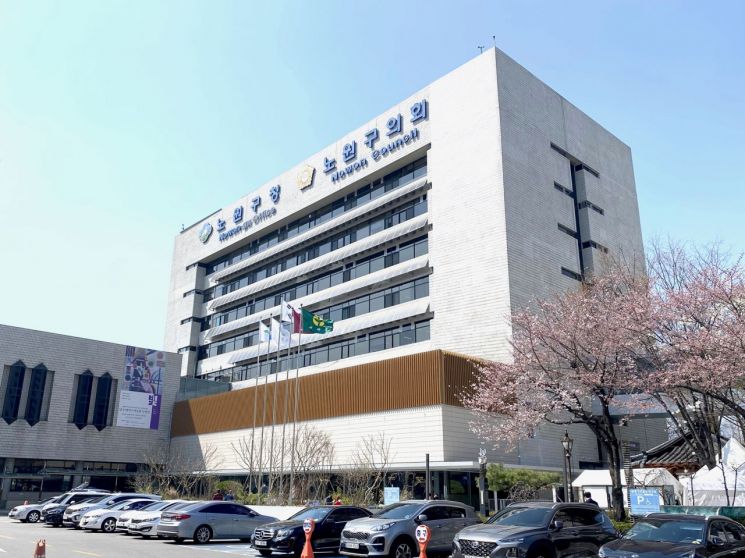
Nowon-gu Sets 2025 Budget at 1.2925 Trillion KRW... Decrease of 34.2 Billion KRW Compared to 2024
Largest Budget Allocation to Welfare Sector at 66.9%, 54.7 Billion KRW Invested in Environment Sector as a 'Carbon Neutral Leading City'
Nowon-gu (District Mayor Oh Seung-rok) has prepared a 2025 main budget of 1.2925 trillion KRW and submitted it to the district council.
The total budget prepared by the district for 2025 is 1.2925 trillion KRW, which is 34.2 billion KRW less than this year. The decrease in total budget is unusual and is attributed to an overall decline in tax revenue due to the domestic economic downturn and sluggish real estate transactions.
This has resulted in a reduction in project budgets. For example, cultural projects including the Nowon Craft Beer Festival and four other major representative festivals have had their budgets slightly cut, based on the judgment that stable operation is possible with accumulated know-how. However, new projects such as the 'Masters of New York' exhibition and the 'Jo Sumi Special Performance' commemorating the reopening of the Nowon Culture and Arts Center have actually expanded the diversity of cultural content.
The largest portion of the district budget is allocated to social welfare. Reflecting the district’s characteristics with many welfare beneficiaries such as the elderly and disabled, 865.5 billion KRW, accounting for 66.9% of the total budget, has been allocated. While a significant portion of funds is invested in supporting vulnerable groups through livelihood benefits and basic pensions, the district also expresses its commitment to completing a welfare network spanning generations by introducing niche welfare services such as the 'Knock Knock Care Team' and the new Nowon-type Youth Autonomous Budget System.
Another notable point is the bold allocation of 54.7 billion KRW to the environment sector. As the only district in the metropolitan area selected as a 'Carbon Neutral Leading City,' Nowon-gu plans to proactively respond to the transition to a carbon-neutral society through operations such as the Green Building Support Center, supporting smooth policy implementation.
District Mayor Oh Seung-rok said, “This is a time that requires intense deliberation and wisdom to return residents’ taxes as better services through prudent management,” adding, “Based on rational budget formulation, we will support residents’ daily lives and the future of the region.”
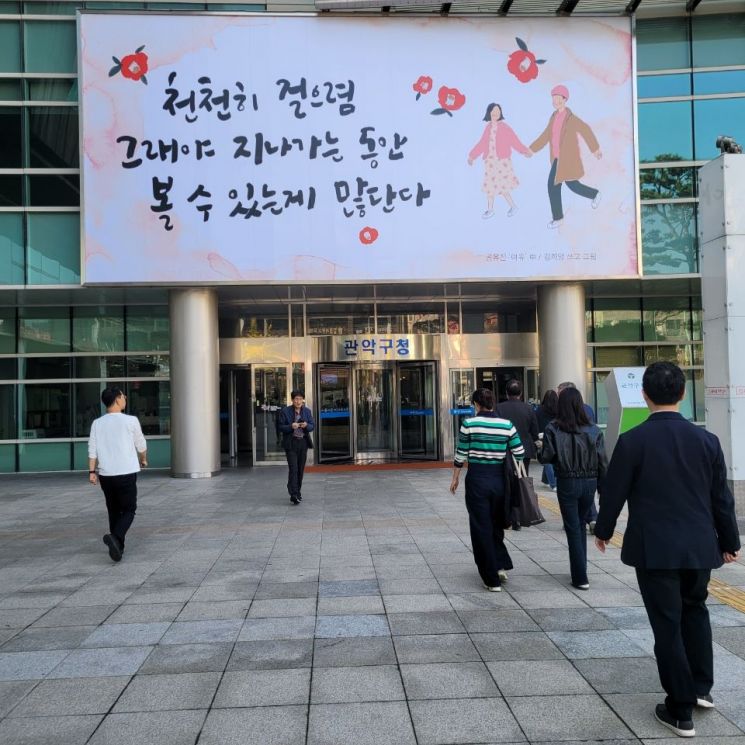
Gwanak-gu Sets 2025 Budget at 1.055 Trillion KRW... 14.7 Billion KRW Allocated for Healing and Garden City Creation
5.2% Increase Compared to This Year, Continuing the 1 Trillion KRW Budget Era for Two Consecutive Years
Gwanak-gu (District Mayor Park Jun-hee) continues the era of a 1 trillion KRW main budget for the second consecutive year.
The district has prepared a 2025 budget proposal totaling 1.055 trillion KRW, a 5.2% increase from this year’s 1.03 trillion KRW, and submitted it to the Gwanak-gu council.
First, to create a ‘Healing and Garden City Gwanak where residents are happy,’ 14.7 billion KRW has been allocated. This includes ▲3 billion KRW for planting flowers along streets ▲800 million KRW for creating a leftover green garden on Nanggok-ro ▲100 million KRW for maintenance and repair of the gateball court in Gwanaksan Park ▲68 million KRW for operating forest leisure programs ▲180 million KRW for operating the water playground in Gwanaksan ▲300 million KRW for operating the infant forest experience, among other initiatives. These efforts aim to lead the creation of a garden city where residents can heal in nature through various natural infrastructure and leisure programs.
To strengthen ‘Customized Welfare by Life Cycle,’ the district has allocated 690.7 billion KRW, accounting for 65.5% of the total budget. The plan is to respond to diverse welfare demands arising from changing population structures and to build a customized welfare network by life cycle.
In particular, the budget includes ▲3.57 billion KRW for raising allowances for national veterans and introducing welfare allowances for spouses ▲1.1 billion KRW for postpartum care support ▲970 million KRW for Kangchung Kangchung growth childcare support fund ▲7 billion KRW for daycare center operation support ▲160 million KRW for operating the Single-Person Household Support Center ▲350 million KRW for operating the Gwanak-gu 50 Plus Center ▲1 billion KRW for constructing the Gwanak Cultural Welfare Town ▲4.4 billion KRW for constructing the Senior Comprehensive Welfare Town ▲1.1 billion KRW for operating the Dementia Relief Center, among others. These efforts aim to make Gwanak a city where it is good to have and raise children and where the elderly live happily and healthily.
A total of 12.5 billion KRW will be invested in the economic and job sectors, which will serve as the foundation for fostering an ‘Innovative Economic City.’ This includes ▲3 billion KRW for providing public jobs ▲300 million KRW for establishing the Gwanak Job Happiness Corporation ▲770 million KRW for establishing the Gwanak Small and Medium Venture Promotion Center ▲200 million KRW for the local brand commercial district development project (Sharosugil) ▲2.4 billion KRW for issuing exclusive gift certificates for Gwanak Love and public delivery apps. Next year, the district plans to achieve both the leap to a venture startup hub and the recovery of the difficult local economy amid prolonged economic downturn.
For creating a ‘Strong and Safe Living Environment’ where residents feel secure, a total of 45.1 billion KRW has been allocated. This includes constructing public parking lots at Sangdo Neighborhood Park (4.8 billion KRW) and Moraenae Park (2.8 billion KRW) to resolve the long-standing parking shortage in residential areas. Road and facility repairs, heatwave and cold wave countermeasures, expansion and dredging of sewage facilities, and disaster management fund establishment are also planned to ensure safety in daily life.
A total of 45.8 billion KRW is planned to be invested in ‘A City Shining with Education and Culture.’ In particular, the budget for education expense subsidies to realize customized educational welfare has been increased by 2 billion KRW from 8 billion KRW this year to 10 billion KRW. Other allocations include ▲5.4 billion KRW for eco-friendly meal support ▲72 million KRW for hosting lifelong learning festivals ▲300 million KRW for lifelong education voucher support projects ▲360 million KRW for operating the Sillim-dong Three-Room ▲800 million KRW for youth job linkage and employment support ▲670 million KRW for cultural city creation projects, among others. The district plans to generously support to enhance residents’ satisfaction with education and culture.
District Mayor Park Jun-hee said, “Since next year’s budget was prepared with difficulty under tough tax revenue conditions, we will carefully manage policies needed by residents and quickly implement policies that residents can feel and empathize with.”
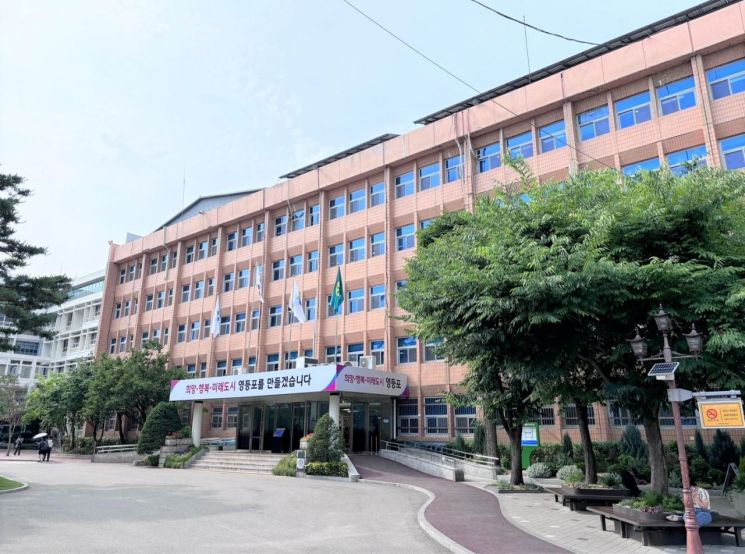
Yeongdeungpo-gu Sets 2025 Budget at 922.8 Billion KRW
Increase of 29.3 Billion KRW Compared to 2024... General Account 896 Billion KRW, Special Account 26.8 Billion KRW
Yeongdeungpo-gu (District Mayor Choi Ho-kwon) has prepared a 2025 budget proposal totaling 922.8 billion KRW and submitted it to the district council.
This amount is an increase of 29.3 billion KRW (3.3%) compared to the previous year, consisting of 896 billion KRW in the general account and 26.8 billion KRW in the special account. Although general account revenue for 2025 increased by 26 billion KRW compared to the previous year, actual available resources decreased due to rising basic expenses such as labor costs.
First, the ‘Hope Budget’ allocates 334.3 billion KRW to accelerate warm companionship with neighbors in need. It assigns 226.8 billion KRW to build a social safety net for livelihood stabilization of low-income groups and 48.1 billion KRW to create a child-rearing friendly city by expanding support for infertility treatment costs and other measures. Additionally, 59.5 billion KRW is allocated to realize welfare enjoyed by all generations, including spreading daily veteran culture, operating senior centers, and supporting activities for the disabled.
The ‘Happiness Budget’ allocates 38.8 billion KRW to realize ‘Yeongdeungpo, a City Rich in Life’ where residents enjoy health and healing, covering green spaces, culture, and safety. The district plans to invest 14.6 billion KRW in sustainable green space maintenance and leading garden leisure culture, 9.4 billion KRW to discover local representative festivals such as the Seonyudo Garden Festival and to promote life sports tailored to generations, and 14.8 billion KRW to protect residents’ safety from various disasters and accidents.
Finally, the ‘Future Budget’ focuses 34.1 billion KRW on realizing ‘Young Yeongdeungpo,’ leading the future through nurturing scientific talent and activating youth policies. This includes 10.4 billion KRW for fostering creative scientific talent to lead the 4th industrial revolution, 2.7 billion KRW for practical youth support policies, and 21 billion KRW for expanding public infrastructure to create a resident-friendly future city.
District Mayor Choi Ho-kwon stated, “Despite difficult financial conditions, we established the budget by carefully reflecting residents’ valuable opinions to create changes that residents can directly feel,” adding, “We will continue to listen to voices from the field at the lowest level and implement policies prioritizing residents’ interests to realize the hopeful, happy, and future city of Yeongdeungpo.”
© The Asia Business Daily(www.asiae.co.kr). All rights reserved.
![Clutching a Stolen Dior Bag, Saying "I Hate Being Poor but Real"... The Grotesque Con of a "Human Knockoff" [Slate]](https://cwcontent.asiae.co.kr/asiaresize/183/2026021902243444107_1771435474.jpg)


















