Joint Task Force 1st Meeting of the Korea Disease Control and Prevention Agency and Related Ministries
This year, the number of patients infected with pertussis and Mycoplasma pneumoniae has surged unprecedentedly, prompting the government to begin preparatory work to respond to the winter respiratory infectious disease outbreak.
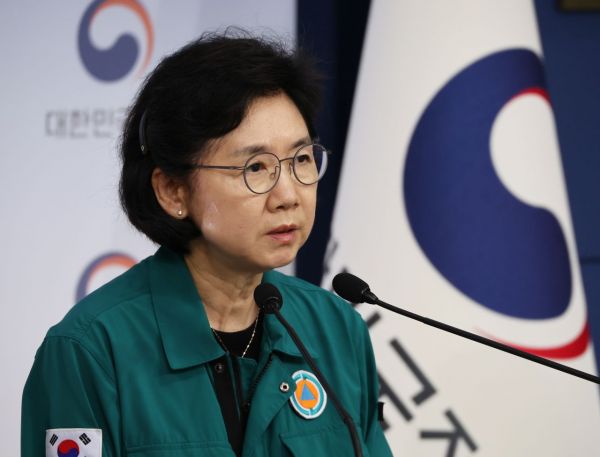
On the 19th, the Korea Disease Control and Prevention Agency (KDCA) announced that it has formed and activated a joint task force on respiratory infectious diseases involving the Ministry of Health and Welfare, Ministry of Education, and Ministry of Food and Drug Safety.
At the first task force meeting held on the same day, Ji Young-mi, head of the KDCA and task force leader, presented the current epidemic status of major infectious diseases including pertussis, the vaccination status of high-risk groups, and plans to encourage vaccination. Representatives from internal medicine, pediatrics, and family medicine clinics participating in influenza sentinel surveillance also attended the meeting.
Director Ji explained, "This year, pertussis has spread significantly, with unprecedented numbers of cases and infant deaths reported even in advanced countries. In Korea, pertussis has been spreading mainly among children and adolescents since June, but thanks to high vaccination rates, rapid diagnosis, and treatment, the incidence among high-risk infants under 1 year old is lower than in advanced countries, and most infected individuals show mild symptoms."
However, Ji Jung-chang stated, "Since the start of pertussis death statistics production in 2011, this is the first domestic case of death in an infant under 2 months old who had not yet received the first vaccination. We emphasize special caution for high-risk groups and vaccination for pregnant women and infant caregivers."
According to the KDCA, as of the 16th, the cumulative number of pertussis patients in Korea this year reached 33,327, more than 114 times last year's 292 cases. The number of patients sharply increased around June to July, then temporarily slowed, but has been rising again since October.
Director Ji said, "Mycoplasma pneumoniae infections are also spreading widely, and for the first time this year, the government issued an epidemic alert and applied insurance coverage for rapid antigen tests to encourage testing. We are also supporting diagnosis and treatment by expanding the scope of antibiotic treatment." She added, "Together with professional societies, we established treatment guidelines for first-line antibiotic-resistant patients earlier this year, and are currently developing comprehensive clinical guidelines and educational materials related to second-line drug use for resistant patients."
Director Ji emphasized, "The government continues to stress the importance of vaccination against respiratory infectious diseases such as COVID-19, influenza, and pertussis to protect high-risk groups while preparing for the winter respiratory infectious disease season," and urged, "We ask experts and related ministries to work together."
© The Asia Business Daily(www.asiae.co.kr). All rights reserved.

















