Born son Jen in 2020 using donated sperm
Different laws on sperm donation by country
Broadcaster Sayuri, who gave birth through in vitro fertilization, shared her thoughts on sperm donation. On the 10th, the YouTube channel 'Shillamyeon' released the second episode of 'Weekly Ban Sanghoe.' On this day, Sayuri, who appeared as a guest, engaged in a heated debate with the cast on the topic of 'Whether it is acceptable for a mother or father to go to a kids' cafe alone with a child from another family.' First, Sayuri expressed her support for the proposal. She said, "It is ridiculous that this causes an issue. I am also close with the fathers of my child's daycare friends."
 Earlier in 2020, Sayuri gave birth to her son Zen using sperm donated by a Westerner. At the time, she explained that the reason she chose to be a voluntary single mother was because she had a strong desire to give birth, but did not want to marry someone she did not love just to have a child. YouTube channel 'Shillamyeon'
Previously, in 2020, Sayuri gave birth to her son Jen using sperm donated by a Westerner. At that time, she explained that she chose to be a voluntary single mother because she had a strong desire to give birth but did not want to marry someone she did not love just to have a child. Specifically, she said, "I was 41 years old when I gave birth. It was truly my last chance," adding, "When I was younger, I didn't think much about it. It would have been better to meet a good person and have a child, but since I didn't have that option, I gave birth through IVF."
In response, Kim Sooyong joked, "Do you get a loan from the sperm bank?" which caused laughter. When the topic of sperm banks came up, Sayuri explained, "Laws differ by country. In the U.S., there is no limit on the number of donations per donor. In Europe, there is a limit per donor," adding, "Couples tend to store sperm and eggs, and after successfully having a child, they donate the remaining sperm and eggs. People ask if 'good genes'?young, smart, and handsome?are expensive, but they are all the same. If there were price differences, it would be human trafficking." She further added, "(Since sperm) comes by plane from abroad, the price varies depending on transportation and storage fees." Sayuri also mentioned, "I am curious about Jen's father. There is a childhood photo of the donor, and Jen resembles him in facial features and hairstyle."
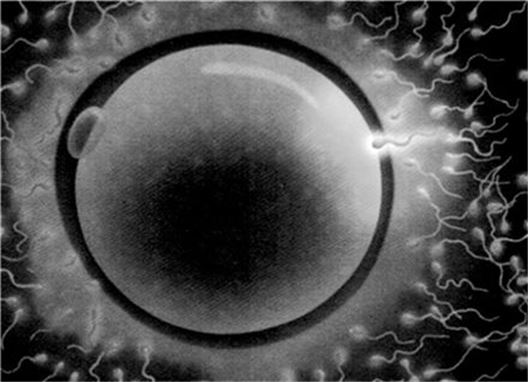 When a sperm donor candidate expresses their intention to donate via email, phone, or visit, the sperm bank confirms the donation intent, blood type, diseases, and family history through face-to-face counseling. Then, after identity verification and completing a medical questionnaire and donation consent form, sperm is collected. Asia Economy DB
Meanwhile, sperm banks confirm the intention to donate and check blood type, diseases, and family history through face-to-face counseling after a potential donor expresses willingness via email, phone, or visit. Then, identity verification, medical questionnaires, and consent forms are completed before sperm collection. If sperm motility is normal, urine and blood tests are conducted to check blood type, sexually transmitted diseases, hepatitis, and chromosomal abnormalities. After six months, the donor visits again to confirm the absence of HIV infection, completing the standard pre-donation procedures.
The testing cost for sperm donation varies by hospital but is approximately 800,000 to 1,000,000 KRW. Some hospitals, including the sperm bank at Pusan National University Hospital, cover the cost themselves, while most infertility clinics require the infertile couples receiving the sperm to bear the cost. Storage fees vary by sperm bank but range from 50,000 to over 100,000 KRW annually, which is also borne by the infertile couples. The Bioethics and Safety Act strictly prohibits the sale of sperm.
Therefore, most sperm banks only provide minimal actual expenses such as transportation and meal costs to sperm donors. Most infertility clinics also only cover transportation costs. The Bioethics and Safety Act allows compensation and transportation costs to be paid to egg donors based on government-determined amounts for the time spent on procedures and recovery, but there are no compensation regulations for sperm donors.
© The Asia Business Daily(www.asiae.co.kr). All rights reserved.

















