Increase in Japanese Visitors Benefits 'Ramen Companies'
New Listings and Target Price Upgrades Follow
The ramen-themed stocks are heating up in the Japanese stock market. Although many small ramen shops have gone bankrupt due to the impact of rising prices, those that have survived are evaluated to have enough competitiveness to even consider listing on the stock market.
According to Kabutan, a Japanese financial information provider, the company 'Garden,' which operates ramen chain stores, is scheduled to newly list on the Tokyo Stock Exchange Standard Market on the 22nd. Kabutan stated, "It has been rare for ramen-related stocks to attract attention as a theme in the stock market, but with Garden's upcoming listing, investor interest is focusing on it."
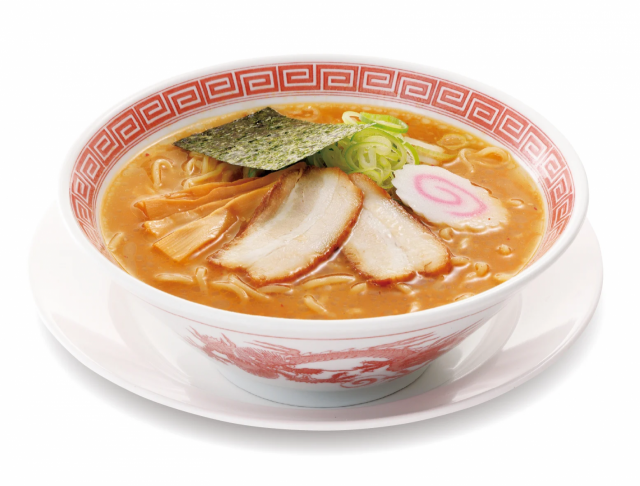
The increase in inbound tourists to Japan had a significant impact on the listing. The Japan National Tourism Organization (JNTO) announced that the number of foreign tourists visiting Japan in September increased by 31.5% compared to the same month last year, reaching 2,872,200, marking the highest figure for eight consecutive months. In particular, one of the main purposes of these visitors was dining. According to JNTO's inbound tourist consumption trend survey, when asked about "what they most looked forward to before visiting Japan," the highest percentage of responses was "eating Japanese food." Among the "foods they were most satisfied with when actually eating in Japan," "meat dishes" accounted for 32.2%, and ramen ranked second with 18.7%.
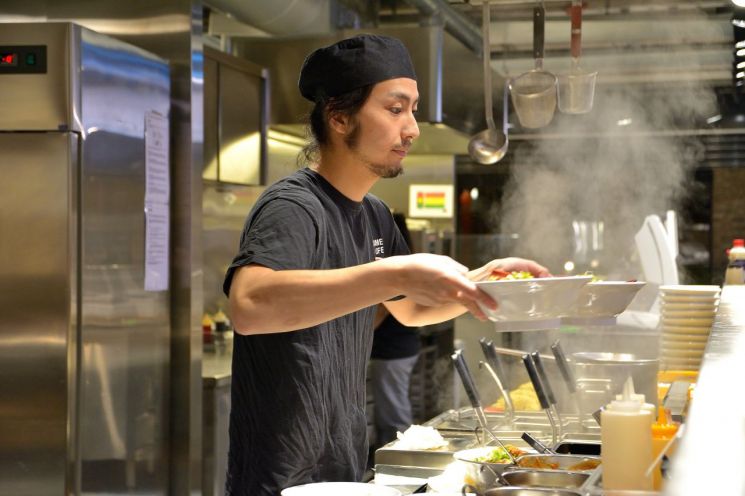
Existing listed ramen companies are also benefiting from the tourist boom. Gift Holdings, which operates the famous ramen chain 'Machida Shoten,' is actively increasing the number of stores in line with the rise in tourists, leading securities firms to raise their target stock price in June.
The company 'Gorakuen,' known for its miso tonkotsu ramen chain, has actively welcomed tourists by extending business hours and turned profitable in the first quarter of this year. Its sales for September, announced last month, increased by 15.6% compared to the same month last year, drawing investor attention ahead of the upcoming mid-term financial results announcement this month.
Some companies have even established shareholder return policies. 'Kairikiya,' which operates 'Ramen Kairikiya,' successfully defended against inflation risks as its sales surged this year. In response, it increased dividends to reward shareholders. Kabutan also pointed out other ramen companies attracting investor interest, such as Chikaranomoto Holdings, which operates the tonkotsu ramen chain Ippudo, and Monogatari Corporation, which runs Marugen Ramen.
Some attribute the warm reception of ramen companies in the stock market to the recent poor conditions in the dining industry. The reasoning is that companies that have survived and listed on the stock market despite the worst business conditions are considered to have the strength to defend against future risks. In Japan, many small businesses went bankrupt due to rising prices of pork bones, gas, and other costs. Especially ramen, regarded as a representative of affordable food in Japan, could not raise prices significantly, causing many businesses to fail and close.
Kabutan explained, "The ramen industry in Japan is known for fierce competition and difficult survival. However, those that list on the stock market mostly have good performance and hold advantages in business scale and brand power, thriving within the industry."
© The Asia Business Daily(www.asiae.co.kr). All rights reserved.


















