Popularity of High-Quality Low-Cost Brands Instead of Luxury
Not Just Chasing Simple Cost-Effectiveness... "Quality Is the Basic Premise"
As high inflation weakens individual purchasing power, consumption of low-priced products with similar functions or quality, so-called ‘dupe’ products, is expanding instead of expensive brand-name goods.
Dupe consumption, derived from the English word ‘Duplication,’ meaning replica, refers not simply to seeking counterfeit goods but to purchasing cost-effective alternative products to increase satisfaction. It is especially common to find products targeting this dupe consumption in the fashion and beauty sectors.
According to the industry on the 10th, the sales of ‘Daiso Beauty Division,’ considered a representative player in dupe consumption, grew about 160% from January to September this year compared to the same period last year. The ‘Son & Park Artist Spread Color Balm (3,000 won),’ a low-priced product known for its similar function to the ‘Chanel Lip and Cheek Balm (63,000 won),’ remains hard to find in stores even six months after its release.
Uniqlo recently introduced ‘Uniqlo:C,’ a product line collaborated with famous fashion designers including Christopher Lemaire, JW Anderson, Jil Sander, Marni, and most recently Claire Waight Keller, a renowned designer from Givenchy.
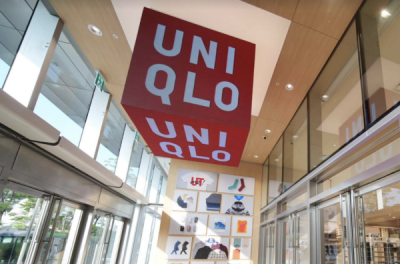
The biggest reason for its popularity is that it maintains the identity and style of the luxury brand collaboration while being much more affordable. Because of this, whenever Uniqlo releases limited edition products in collaboration with high-end brands or famous designers, long lines form in front of stores, and the items quickly sell out on online shopping malls, leading to successful sales.
SPA brand Zara is also a leader in dupe products. ‘Chanel-inspired tweed’ and ‘Prada-inspired shoes’ attract attention every season on platforms like TikTok and YouTube.
The industry views this dupe consumption not merely as a pursuit of cost-effectiveness. Rather than simply seeking the cheapest products, consumers open their wallets after setting their own standards based on quality as a fundamental premise.
On the other hand, luxury brands have recently been struggling. Kering Group, which owns Gucci and Bottega Veneta, announced on the 23rd of last month (local time) that this year’s performance is expected to be half of last year’s. LVMH, which owns Louis Vuitton and Dior, recorded sales of 19.076 billion euros (about 28.3 trillion won) in the third quarter of this year, a 3% decrease compared to the same period last year.
© The Asia Business Daily(www.asiae.co.kr). All rights reserved.
![Clutching a Stolen Dior Bag, Saying "I Hate Being Poor but Real"... The Grotesque Con of a "Human Knockoff" [Slate]](https://cwcontent.asiae.co.kr/asiaresize/183/2026021902243444107_1771435474.jpg)
















