Hong Gi-wol, Gwangju City Council Member, Proposes 'Parking Problem Solution'
"Need to Establish Governance Such as Collaboration Among Autonomous Districts"
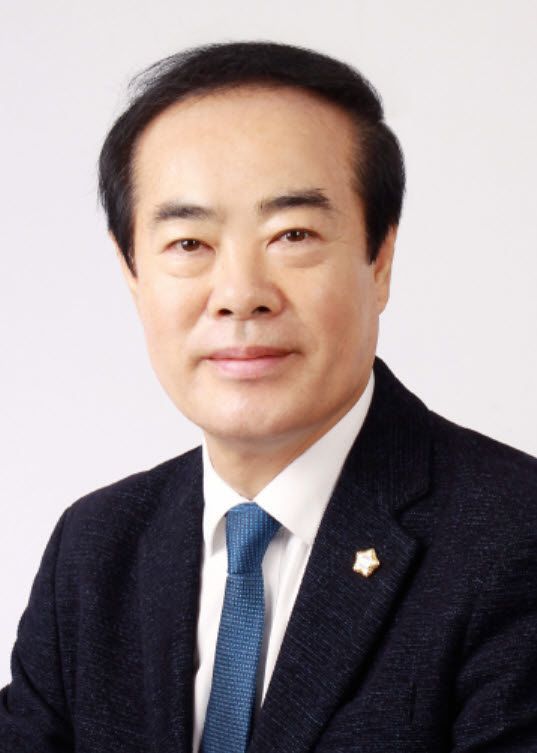
There has been a call to open school parking lots in the Gwangju area on weekends and public holidays to alleviate local parking difficulties.
On the 8th, Hong Gi-wol, a member of the Gwangju City Council (Democratic Party, Dong-gu 1), suggested during the administrative audit of the Gwangju Metropolitan Office of Education, “On weekends, citizens experience great inconvenience due to parking wars in various parts of the region,” and proposed, “To solve the chronic parking shortage, school parking lots should be opened on weekends and public holidays.”
Currently, there are 320 elementary, middle, high, and special schools in the Gwangju area, of which 264 schools, accounting for 82.5%, do not open their parking lots due to reasons such as guaranteeing learning rights, construction, and fostering athletic teams. Only 45 schools, or 14.0%, open their parking lots, operating as shared parking lots under agreements with autonomous districts from 7 p.m. to 7 a.m. the next day.
The “Regulations on the Opening and Use of Facilities of Schools Below High School Level in Gwangju City” state that “the head of each school must open school facilities to residents as much as possible unless there is a significant disruption to school education.” It also includes a mandatory provision that “the head of each school must gather opinions from students, faculty, and local residents before opening the facilities.” Facilities that can be opened include general and special classrooms, audiovisual rooms, gymnasiums, auditoriums, playgrounds, and other facilities.
According to these regulations, Hong argues that if school parking lots are included as other facilities among the openable facilities, they can be opened on holidays after gathering opinions from local residents and others.
Hong emphasized, “Opening school parking lots on weekends and public holidays can be a key means of forming a local community, so mutual cooperation and harmony are necessary,” and added, “We must unite in our intention to create a better local community environment within the scope that does not harm school education and students.”
© The Asia Business Daily(www.asiae.co.kr). All rights reserved.
![Clutching a Stolen Dior Bag, Saying "I Hate Being Poor but Real"... The Grotesque Con of a "Human Knockoff" [Slate]](https://cwcontent.asiae.co.kr/asiaresize/183/2026021902243444107_1771435474.jpg)
















