Pro-Russian Candidate Lost Presidential Election but Successfully Built Power Base
Continued Support for Separatist Groups in Moldova
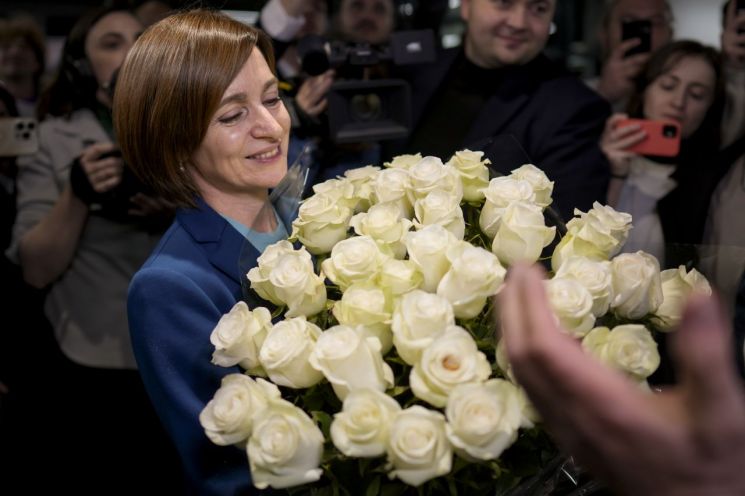 On the 3rd (local time), Maia Sandu, who won the Moldovan presidential runoff election, is receiving a bouquet from supporters. Photo by AP and Yonhap News.
In the runoff of the Moldovan presidential election, Maia Sandu, the pro-Western incumbent president of Moldova, secured victory, while Russia, accused of illegal election interference, is instead protesting, claiming the election was rigged. Russia alleges that the Moldovan government manipulated the overseas voting results to defeat the pro-Russian candidate. However, despite Russia's failure to interfere successfully in the Moldovan presidential election, it is also assessed that Russia succeeded in establishing a strong pro-Russian faction. Concerns are spreading that Russia will engage in organized interference in the Moldovan parliamentary elections scheduled for July next year, which could significantly impact the security landscape across Eastern Europe.
Russia: "Moldovan Government Manipulated Overseas Voting... Election Fraud"
Konstantin Kosachev, Deputy Chairman of the Russian Federation Council, posted on his Telegram account on the 4th (local time), immediately after the Moldovan presidential vote count, stating, "The Moldovan election is the result of shameful manipulation," and claimed, "The overseas voting that decided the Moldovan presidential election was exclusively available only to those who supported President Maia Sandu."
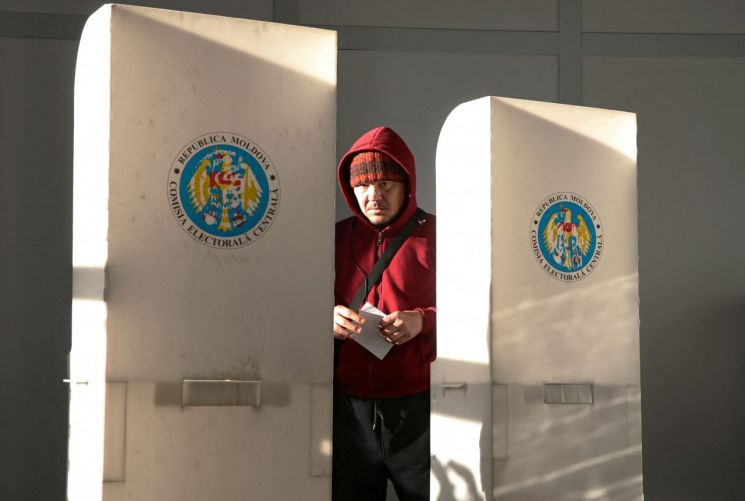
According to the Moldovan Central Election Commission (CEC), in the runoff of the Moldovan presidential election, pro-Western President Sandu won re-election with 55.41% of the vote. The pro-Russian candidate, former Prosecutor General Alexandr Stoianoglo, received only 44.59%. President Sandu secured victory by receiving over 80% of the votes in the overseas voting.
Both Russian political circles and pro-Russian political figures within Moldova continue to raise suspicions that the overseas voting results were manipulated. Excluding the overseas votes and considering only domestic votes, former Prosecutor General Stoianoglo would have 51.19%, and President Sandu 48.81%, effectively reversing the result.
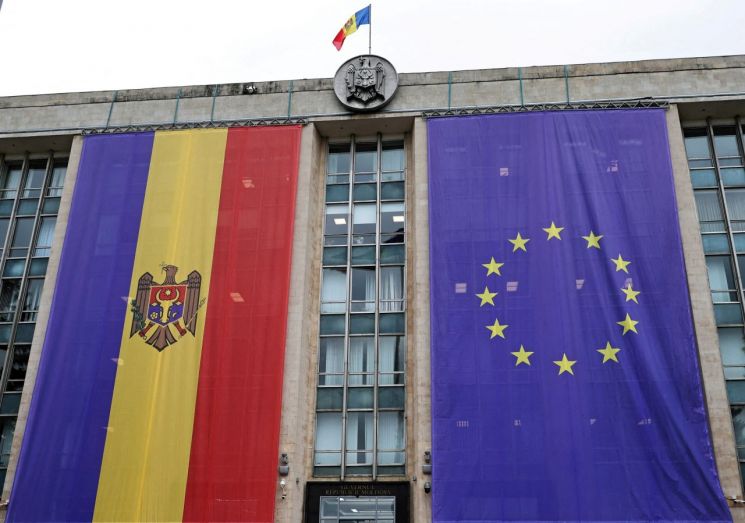
In various European countries, there is a sense of relief over the victory of pro-Western President Sandu. Alongside the Moldovan presidential election, a referendum on joining the European Union (EU) was held, with the 'yes' vote exceeding the majority at 50.35%, raising expectations that Moldova's EU accession process will proceed in earnest. Ursula von der Leyen, President of the European Commission, congratulated via her social media account on X (formerly Twitter), saying, "I am pleased that we can continue to cooperate towards a European integrated future for Moldova and the Moldovan people."
Moldova Ahead of July Parliamentary Elections... Separatist Groups Also Present
Despite President Sandu's victory in the presidential election, the Moldovan government is already concerned that Russia will again engage in organized interference in the parliamentary elections scheduled for July next year. Earlier, during the presidential election period, the Moldovan government officially condemned Russia for illegal interference in the Moldovan election through various means such as cyberattacks, vote-buying, voter intimidation, and mobilization of agents.
CNN pointed out, "Even if Russia failed to interfere in this presidential election, it succeeded in building a significant pro-Russian faction within Moldova," and added, "By supporting separatist regional organizations within Moldova, Russia can destabilize the Moldovan government from behind the scenes." In fact, Russia supports the unrecognized independent regime of Transnistria in the eastern border area of Moldova, where approximately 1,500 Russian troops are reportedly stationed.
Recently, not only Transnistria but also another separatist movement region in southern Moldova, the Gagauzia region, is known to be receiving support from Russia. Evghenia Gu?ul, head of the Gagauzia autonomous region, visited Sochi, Russia, in March and held talks with Russian President Vladimir Putin, appealing for protection from Moldovan authorities.
© The Asia Business Daily(www.asiae.co.kr). All rights reserved.



















