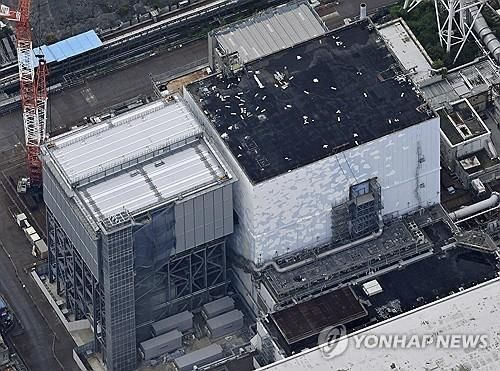
Tokyo Electric Power Company (TEPCO) announced on the 2nd that it has extracted a very small amount of nuclear fuel debris from inside the accident reactor at the Fukushima Daiichi Nuclear Power Plant for the first time since the 2011 accident, bringing it outside the containment vessel.
According to major Japanese media, TEPCO removed nuclear fuel debris about 5 mm in size from Unit 2 of the Fukushima Daiichi Nuclear Power Plant on that day. This is the first time since the March 2011 accident related to the Great East Japan Earthquake that nuclear fuel debris has been taken out of the reactor containment vessel at this plant.
However, TEPCO plans to measure the radiation level of the nuclear fuel debris as early as the 5th and make a final decision on whether to retrieve it. If the radiation level exceeds a dangerous threshold, they plan not to retrieve it and instead return the nuclear fuel debris back inside the containment vessel.
If the decision to retrieve is made, the debris will be placed in a dedicated metal container and transferred to the Japan Atomic Energy Agency (JAEA) research facility in Ibaraki Prefecture, where elemental distribution and other analyses will be conducted over several months. TEPCO began trial removal work of nuclear fuel debris in August, more than 13 years after the accident, but after two failures due to assembly errors and camera malfunctions, they succeeded this time in extracting the nuclear fuel debris outside the containment vessel.
They developed a telescopic pipe device approximately 22 meters long and used a claw-shaped attachment at the end of the pipe to grasp and remove the nuclear fuel debris. However, since the method for removing all debris has not yet been determined, even if this small-scale retrieval is ultimately successful, the schedule for future work until the decommissioning of the plant remains uncertain.
Retrieving nuclear fuel debris is considered the most difficult task in the decommissioning process of the accident-affected plant. The Japanese government has set a plan to decommission the Fukushima Daiichi Nuclear Power Plant around 2051, but if the nuclear fuel removal work is delayed, this goal cannot be achieved.
Moreover, if all nuclear fuel debris is not removed, additional contaminated water will inevitably be generated due to rainwater and groundwater entering the accident reactors, and the period of contaminated water discharge into the ocean will inevitably be extended. It is estimated that a total of about 880 tons of nuclear fuel debris exist in Units 1 to 3 of the Fukushima Daiichi Nuclear Power Plant. This debris was generated by the core meltdown accident in which the nuclear fuel melted and fell due to high temperatures during the Great East Japan Earthquake.
© The Asia Business Daily(www.asiae.co.kr). All rights reserved.

















