On the 2nd, AI Detected in Wild Birds... Confirmed at Poultry Farm After 4 Weeks
Highly pathogenic avian influenza (HPAI) has occurred for the first time in domestic poultry farms in South Korea. The government has culled the chickens and ducks at the affected farm, issued a temporary movement ban, conducted quarantine inspections of small-scale poultry farms, and intensified disinfection around migratory bird habitats to strengthen disease control measures.
The Central Disaster and Safety Countermeasures Headquarters for HPAI announced on the 30th that HPAI (H5N1 type) was confirmed on the 29th at a laying hen farm located in Donghae-si, Gangwon Province, where about 700 chickens and 80 ducks were raised together, and that quarantine management would be reinforced.
Since HPAI was first detected in wild bird droppings collected from the Mangyeong River in Gunsan, Jeonbuk on the 2nd of this month, a total of three cases of HPAI have been detected in wild birds. This is the first occurrence in a poultry farm. Recently, HPAI outbreaks have also been reported consecutively in poultry farms in Japan, and with migratory birds arriving in full force during the winter, there is a need to strengthen quarantine management.
On the 29th, immediately after confirming the H5 type avian influenza at the affected farm, the Central Disaster and Safety Countermeasures Headquarters carried out initial quarantine measures, including culling about 780 poultry at the farm. A temporary movement ban order was issued nationwide from 0:00 on the 30th for 24 hours, covering poultry farms, related livestock facilities (slaughterhouses, feed factories, etc.), and livestock vehicles.
After the H5 type was detected and the diagnosis was finalized as highly pathogenic avian influenza on the 30th, the headquarters intensified quarantine management, including disinfection, inspection, and testing of migratory bird habitats and poultry farms.
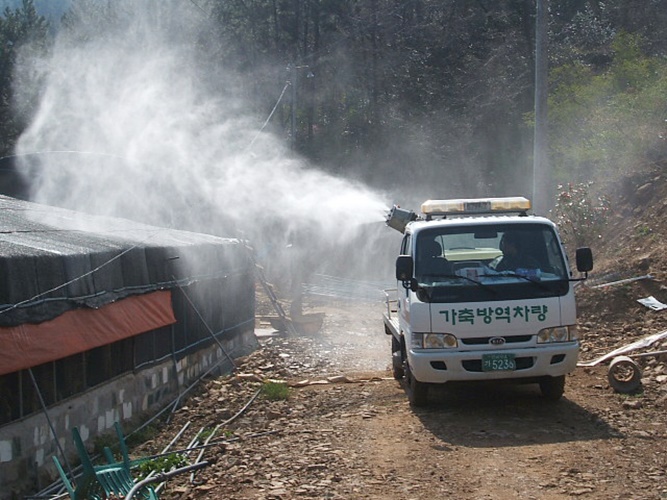
First, movement restrictions and detailed inspections were conducted on epidemiologically related farms (7 farms) and livestock vehicles (3 vehicles). All available disinfection resources (about 900 units) are being deployed daily to disinfect roads around migratory bird habitats nationwide, nearby poultry farms, and small-scale farms.
Additionally, 2,549 dedicated officers assigned to each designated farm are continuously guiding and advising poultry farmers on the outbreak situation and quarantine rules. Promotional materials (leaflets, infographics, card news, etc.) are being produced and distributed to ensure easy understanding by foreign workers and others to encourage early reporting.
The headquarters had previously announced special quarantine measures to strengthen disease control during the special quarantine period from October this year to February next year to block the spread of HPAI in winter. Accordingly, surveillance and inspections of poultry farms within the intensive quarantine management zones are being strengthened. Special management is being implemented by assigning dedicated officers from the Quarantine Headquarters and local governments to farms with more than 100,000 laying hens (205 farms) and 10 concentrated laying hen complexes. Furthermore, to minimize horizontal transmission between farms, the interval for avian influenza testing at farms is being shortened, ensuring thorough quarantine management.
The Ministry of Agriculture, Food and Rural Affairs is also making every effort to control Lumpy Skin Disease. Lumpy Skin Disease first occurred domestically on October 19 last year, with a total of 107 cases reported until November 20. This year, phased vaccination focusing on high-risk areas and vector control at major ports have been implemented since April. Since the first occurrence at a Hanwoo cattle farm in Anseong, Gyeonggi Province in August, a total of 17 cases have been reported as of October 30, the 12th week.
Currently, when Lumpy Skin Disease occurs, all cattle raised at the affected farm undergo detailed testing, and only positive animals are culled. The number of culled animals this year is 166 (151 Hanwoo, 15 dairy cattle), which is fewer than last year's 6,455.
Kim Jong-gu, Director of the Agricultural Innovation Policy Office at the Ministry of Agriculture, Food and Rural Affairs, said, "As migratory birds begin to arrive in full force soon, the risk of highly pathogenic avian influenza is expected to increase further. Poultry farmers should adhere to basic quarantine rules with the mindset of 'I protect my farm,' and immediately report to quarantine authorities if suspicious symptoms are detected."
© The Asia Business Daily(www.asiae.co.kr). All rights reserved.

















