In-depth Analysis of 'Korea's Solitary Death'
"Koreans Define Themselves Through Relationships with Others"
Foreign media highlighted the ‘lonely deaths in Korea.’ In particular, they conducted an in-depth analysis of what makes Koreans feel lonely.
On the 24th (local time), CNN published an article titled “The epidemic of loneliness is spreading worldwide.”
The outlet reported, “Every year, thousands of Koreans (mostly middle-aged men) quietly die alone, isolated from family and friends,” adding, “It can take days or even weeks before the bodies are discovered.”
It continued, “This is known in Korean as ‘godoksa,’ and because it is part of a larger issue of loneliness and isolation, the government is mobilizing all means to combat it.”
Godoksa refers to cases where people living in social isolation die by suicide or illness.
CNN stated, “Seoul City spends $327 million (approximately 451.1 billion KRW) to prevent godoksa,” introducing the authorities’ policies to prevent lonely deaths. It also added, “Experts welcome these measures but point out that ‘Korean loneliness’ is linked to unique aspects of Korean culture, so more actions are needed.”
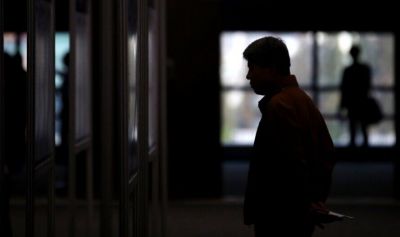
Furthermore, CNN delved deeply into the question, “What makes Koreans lonely?” It focused especially on the fact that “Koreans’ loneliness is closely related to their tendency to define themselves through relationships with those around them,” emphasizing that Korean society is ‘relationship-oriented.’
Professor An Su-jeong of Myongji University’s Department of Psychotherapy told CNN, “In some cultures, loneliness is considered a feeling that occurs when relationships are not fulfilled,” and “In Korea, people feel lonely when they perceive themselves as not valuable enough or lacking purpose.”
CNN analyzed Professor An’s explanation that “Korean society demands highly collective social life but often fails to respect the individual” as meaning “people have difficulty coping with loneliness or feelings of failure.”
Additionally, it pointed out, “Koreans tend to be socially active and form close relationships with others, but they can feel lonely when they question whether they are useful, have contributed enough to society, or have fallen behind compared to others.”
Other causes mentioned included ▲the increase in single-person households ▲the negative impact of social networking services (SNS) ▲a competitive and achievement-oriented culture.
According to recent statistics released by the Ministry of Health and Welfare, the annual number of deaths due to godoksa has been increasing: 3,378 in 2021, 3,559 in 2022, and 3,661 last year. By region, the numbers were highest in Gyeonggi (749 in 2022, 922 in 2023), followed by Seoul (678, 559), and Busan (317, 287).
© The Asia Business Daily(www.asiae.co.kr). All rights reserved.
![Clutching a Stolen Dior Bag, Saying "I Hate Being Poor but Real"... The Grotesque Con of a "Human Knockoff" [Slate]](https://cwcontent.asiae.co.kr/asiaresize/183/2026021902243444107_1771435474.jpg)
















