Looks Like Hair or Animal Fur
Enjoy with Various Sauces According to Personal Taste
In China, a paradise for street food, a new snack resembling strands of hair is gaining great popularity. Especially on Douyin, China's largest social networking service (SNS), numerous mukbang videos featuring this food are flooding the platform. On the 22nd (local time), XiaoXiang Morning News in China reported that at street food stalls in Chengdu, making barbecue with ingredients that look similar to human hair is becoming popular.
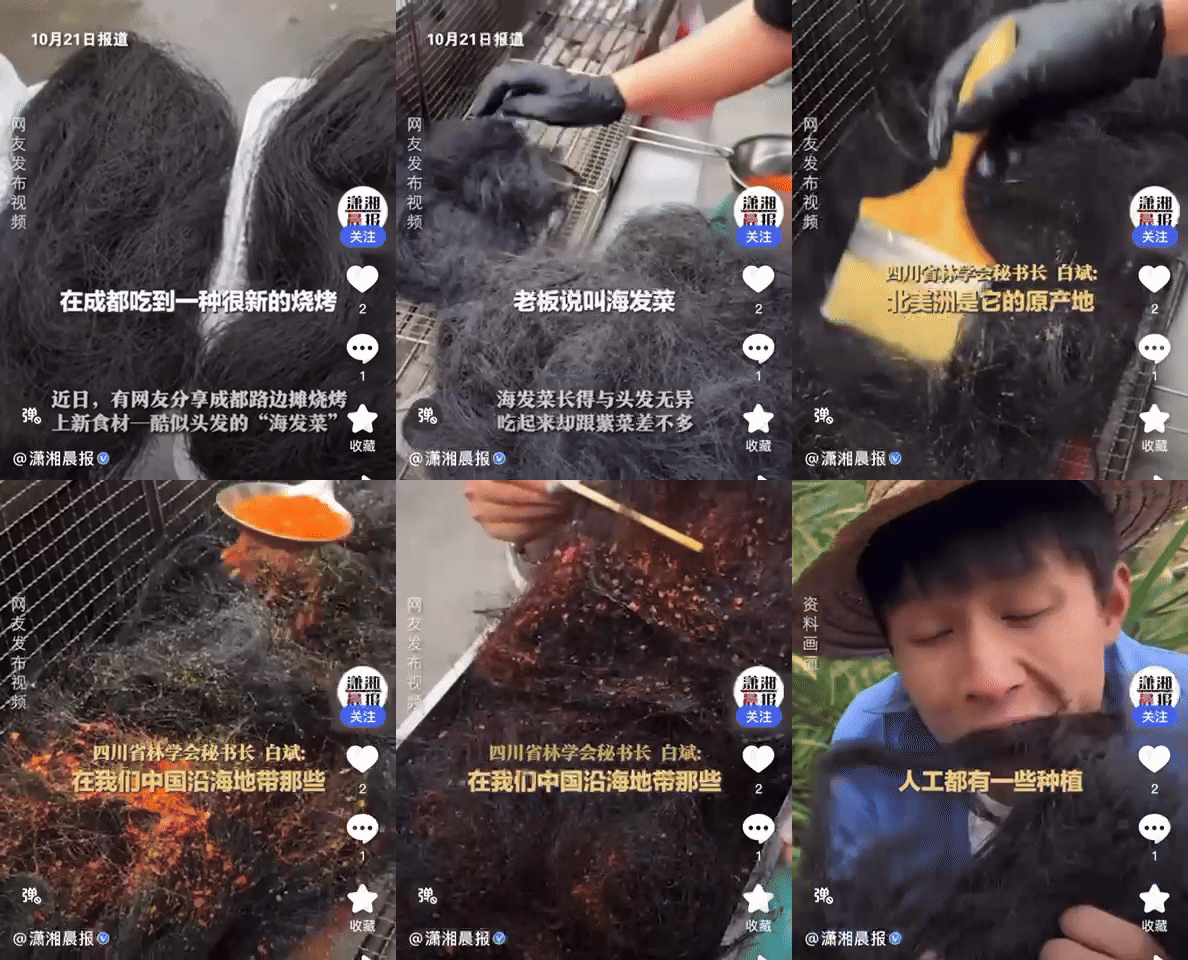 This street food is a snack called 'Haipachai,' which at first glance looks like human hair or animal fur. It may seem unusual to apply oil and sprinkle seasoning on it before eating, but the main ingredient of Haipachai is a type of seaweed that tastes similar to sea mustard.
 [Photo by Xiaoxiang Morning News]
This street food snack is called 'Haipachai,' which visually resembles human hair or animal fur. Although it may seem unusual to apply oil and sprinkle seasoning on it before eating, the main ingredient of Haipachai is a type of seaweed that tastes similar to sea mustard. People enjoy it with various sauces according to their preferences, either picking it up with chopsticks or biting it directly. While Chinese people usually add it to dishes like malatang or broth, the barbecue preparation makes it look like eating hair, which has sparked curiosity among netizens.
Unlike Tanghulu, 'Haipachai' is a bundle of dietary fiber
Seaweed like Haipachai is a bundle of dietary fiber. Among seaweeds, sea mustard, which is the most commonly consumed by humans, contains as much as 90.4g of dietary fiber per 100g. Dietary fiber is an important nutrient for improving constipation. In fact, there is research showing that seaweed bibimbap, which includes seaweed such as sea mustard, is effective in relieving constipation. A research team from the Department of Food and Nutrition at Chung-Ang University had 40 adult men and women eat seaweed bibimbap every day for lunch over two weeks. As a result, the frequency and volume of bowel movements increased, and stools became softer, leading to smoother bowel movements. The seaweed bibimbap was made by mixing 15 types of seaweed, including sea mustard, kelp, jindubal, and stem sea mustard, with gochujang and sesame oil over white rice. During the 14 days of eating seaweed bibimbap, changes in bowel habits were evaluated, showing an increase in bowel movement frequency from 1.08 times per day to 1.15 times per day.
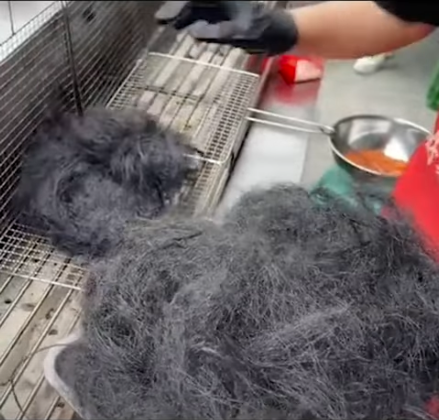 Seaweeds like Haipachai are bundles of dietary fiber. Among seaweeds, miyeok, which is the most consumed by humans, contains as much as 90.4g of dietary fiber per 100g.
 [Photo by Xiaoxiang Morning News]
The research team stated, "Seaweed contains a higher proportion of dietary fiber than common vegetables, grains, and fruits," adding, "The abundant dietary fiber increases stool volume, softens stools, and stimulates intestinal movement, helping to improve constipation." In addition, seaweed is rich in minerals. Minerals are one of the five major nutrients alongside proteins, fats, carbohydrates, and vitamins. A deficiency can cause various abnormal symptoms in the body. Lack of minerals can lead to chronic diseases such as diabetes and hypertension, so it is important to consume them sufficiently.
© The Asia Business Daily(www.asiae.co.kr). All rights reserved.


















