Groundbreaking Ceremony for Gwangwoon University Station Logistics Site to be Held on the 25th
Construction of Mixed-Use Residential Site, Completion Targeted for 2028
Seoul City Establishes 'Balanced Development Pre-Negotiation System'
Priority Sites Selected in 8 Gangbuk Districts
The Gwangwoon University Station area development project, which will construct a mixed-use residential, commercial, and office complex on the logistics site near Gwangwoon University Station, is breaking ground. This comes 15 years after being selected as a preliminary negotiation site in 2009. The Seoul Metropolitan Government plans to introduce a 'balanced development-type preliminary negotiation' system to encourage balanced development in the relatively underdeveloped Gangbuk area, enabling a second Gwangwoon University Station area development project to emerge.
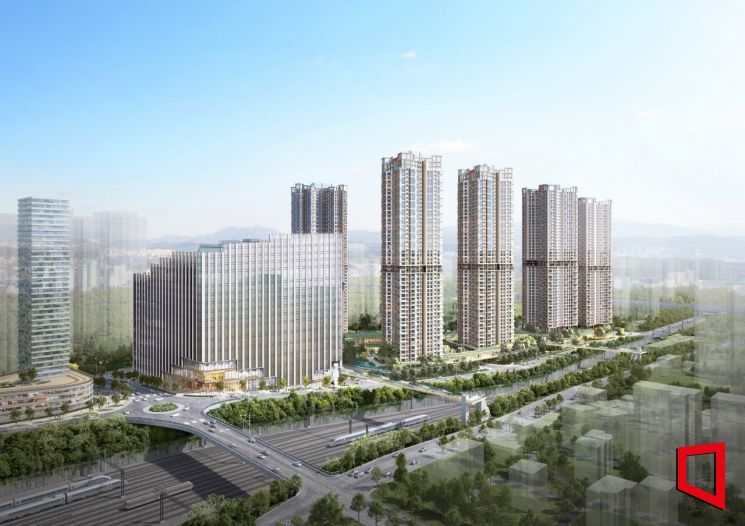
On the 24th, Seoul announced that it will hold a groundbreaking ceremony for the development of the Gwangwoon University Station logistics site on the 25th. Seoul Mayor Oh Se-hoon will attend the event and announce the establishment of the 'balanced development preliminary negotiation system' and efforts to accelerate the development of a new economic hub in the Gangbuk area.
Construction of Residential Facilities on Mixed-Use Land Begins... Target Completion in the Second Half of 2028
The Gwangwoon University Station area project site was a railway facility site that caused east-west regional disconnection and was an undesirable area due to aging facilities causing dust and noise. It is now breaking ground 15 years after being selected as a preliminary negotiation site for urban planning changes in 2009. The Gwangwoon University Station area development project involves creating commercial and office facilities, apartments, public dormitories, and convenience facilities, with HDC Hyundai Development Company in charge of implementation.
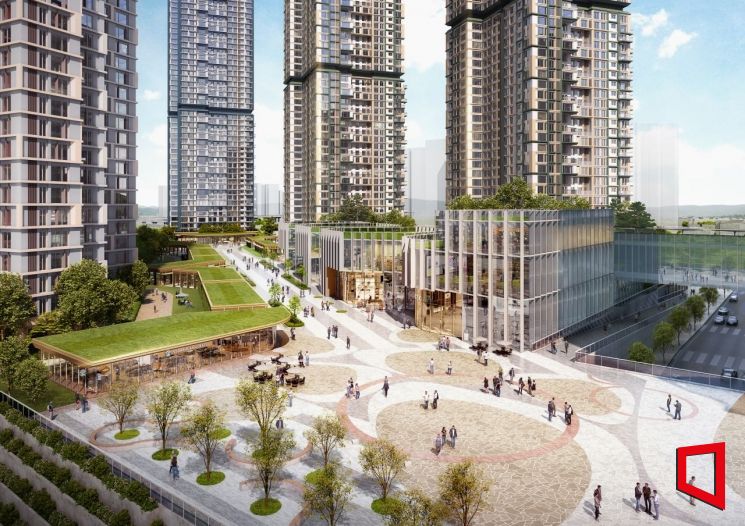
The facility breaking ground this time is an apartment complex within the mixed-use land. The residential facilities on the mixed-use land will consist of 8 buildings with 3,032 households, with sales scheduled for November. Among the 8 residential buildings, 2 will be premium wellness residences directly operated by HDC Hyundai Development Company. Commercial and office land, as well as public land, will also be sequentially developed. The entire complex development aims for completion in the second half of 2028.
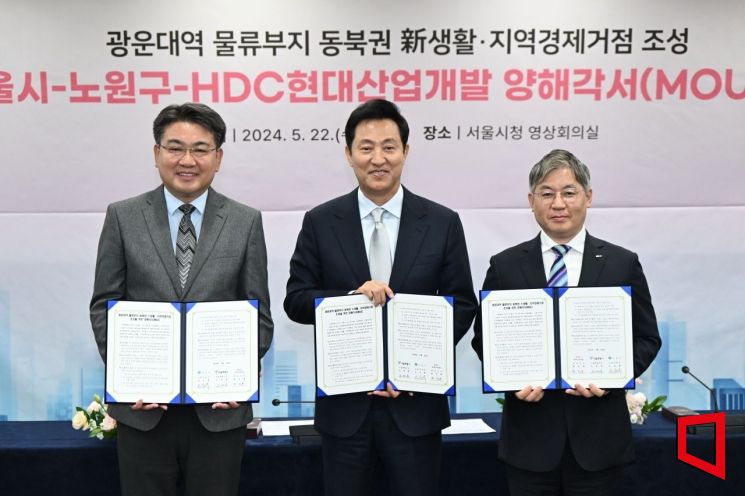 Last May, Seoul City, Nowon District, and HDC Hyundai Development Company signed a business agreement to develop the Kwangwoon University Station logistics site into a new living and regional economic hub in the northeastern area through the Kwangwoon University Station area development project. From left in the photo: Oh Seung-rok, Mayor of Nowon District; Oh Se-hoon, Mayor of Seoul; Choi Ik-hoon, CEO of HDC Hyundai Development Company.
The Gwangwoon University Station area will transform into a new living and economic hub in the northeastern region. In November last year, Seoul finalized and announced the urban management plan through preliminary negotiations. The development plan focuses on creating self-sufficient functions and expanding infrastructure while establishing open spaces, considering local characteristics and residents' opinions. During the preliminary negotiation process, the city has encouraged self-sustainability by using 'corporate attraction' to create jobs as a catalyst.
In May, Seoul City, Nowon District, and HDC Hyundai Development Company signed an agreement to actively promote the relocation of the headquarters by 2028. HDC Hyundai Development Company will contribute to regional revitalization by directly owning and operating commercial facilities, offices, and hotels.
Introduction of 'Balanced Development-Type Preliminary Negotiation' to Promote Even Development between Gangnam and Gangbuk
Seoul has introduced the 'balanced development-type preliminary negotiation' system to induce large-scale innovation in the Gangbuk area, like the Gwangwoon University Station area development project. This system was established to facilitate additional deregulation and expedite project implementation in the Gangbuk region.
The preliminary negotiation system is a development method where public and private developers negotiate to establish large-scale site development plans, securing part of the resulting planning gains as public contributions, thereby achieving efficient land use and public interest simultaneously. It was first introduced by Seoul in 2009 and later legislated. In Seoul, a total of 18 zones, including the Gwangwoon University Station logistics site, Dong Seoul Terminal, northern Seoul Station area, Gangnam GBC, and Yongsan Railroad Hospital, have completed or are undergoing urban management plan decisions through preliminary negotiations.
Being selected as a balanced development-type preliminary negotiation site significantly improves project feasibility. Depending on the ratio of job creation uses introduced, the public contribution ratio can be relaxed up to 50%, and incentives for maximum floor area ratio are activated. The negotiation period can also be shortened to about half of the previous six months.
The balanced development-type preliminary negotiation sites will be prioritized among eight autonomous districts in the northeastern and northwestern regions that require regional revitalization. The city will select sites with a land area of 5,000㎡ or more, considering factors such as resolving regional imbalance and potential for autonomous development, through the Balanced Development Committee's review. The eight districts selected based on gross regional domestic product (GRDP), land prices, and office facility distribution are Dongdaemun, Jungnang, Seongbuk, Gangbuk, Dobong, Nowon, Eunpyeong, and Seodaemun.
Lim Chang-su, Director of Future Space Planning at Seoul City, stated, "We will spare no administrative support and effort until the Gwangwoon University Station logistics site development project, which will transform the Gangbuk area into a representative job city and new economic city of Seoul, is completed."
© The Asia Business Daily(www.asiae.co.kr). All rights reserved.
![User Who Sold Erroneously Deposited Bitcoins to Repay Debt and Fund Entertainment... What Did the Supreme Court Decide in 2021? [Legal Issue Check]](https://cwcontent.asiae.co.kr/asiaresize/183/2026020910431234020_1770601391.png)


















