CDC Announces E. coli Contamination in Quarter Pounder
One Elderly Death, 10 Hospitalized Including Children
Thinly Sliced Onions Suspected as Source
Food Poisoning Incident Raises Nationwide Spread Concerns...Stock Plummets
E. coli was detected in McDonald's hamburgers in the United States, resulting in 1 death and 10 hospitalizations. At least 49 cases of food poisoning have been reported across 10 states.
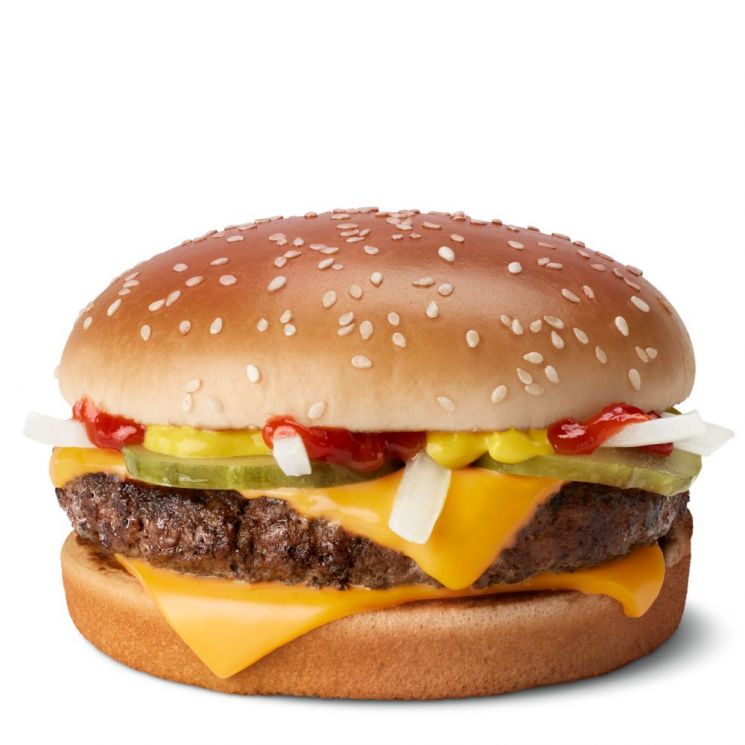
On the 23rd (local time), the U.S. Centers for Disease Control and Prevention (CDC) issued a food safety alert after detecting E. coli in McDonald's Quarter Pounder burgers. The CDC stated, "At least 49 illnesses have been reported in 10 states, including one elderly person who died," adding, "10 people were hospitalized, including children who suffered from hemolytic uremic syndrome, a serious complication that can result from E. coli infection. Most illnesses occurred in Colorado and Nebraska."
According to the CDC, most of the people who contracted food poisoning had eaten McDonald's Quarter Pounders. The CDC is currently investigating, and the U.S. Food and Drug Administration (FDA) has indicated that thinly sliced onions may be the source of contamination. During the investigation, McDonald's has stopped using onions and Quarter Pound beef patties in several states. The CDC warns that this outbreak could spread nationwide. McDonald's issued a statement saying, "Providing safe service to customers at every restaurant every day is our top priority," and added, "We will continue to cooperate with the CDC in the investigation." McDonald's stock price plunged in after-hours trading following the news of the outbreak.
E. coli infection is caused by E. coli and other bacteria. It is transmitted through food, water, and unsanitary living habits. Common symptoms of E. coli infection include vomiting, nausea, abdominal pain, diarrhea, and headache. Depending on the bacterial strain, symptoms may include cramping abdominal pain, diarrhea mixed with blood, and sticky, clumpy mucus (resembling bear droppings). Treatment involves oral or intravenous administration of electrolytes and fluids. Most E. coli infections do not require special treatment. However, in cases of severe enteropathogenic infant diarrhea, severe enteroinvasive E. coli strains, or traveler's diarrhea, antibiotics are administered early in symptom onset. E. coli infections can be transmitted to others through diarrhea.
© The Asia Business Daily(www.asiae.co.kr). All rights reserved.

















