Producer Price Index Down 0.2% in September
Agricultural, Forestry, and Fishery Product Prices Rise 5.3% Due to Heatwave Impact
Producer prices fell for the second consecutive month due to the decline in international oil prices.
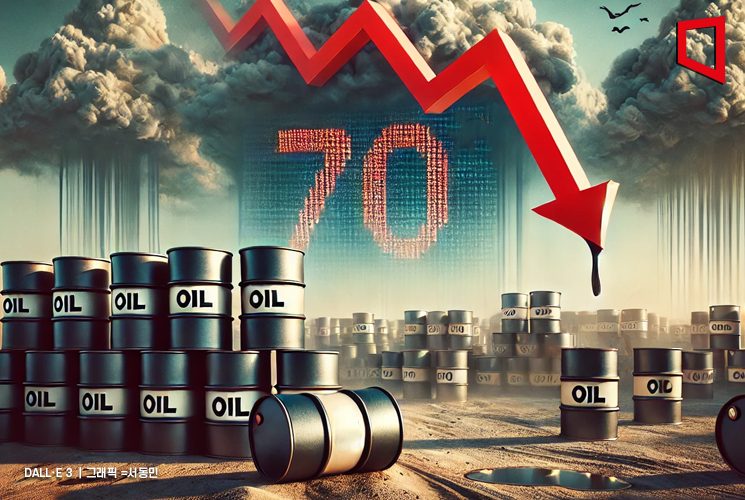
According to the 'September Producer Price Index (provisional)' released by the Bank of Korea on the 22nd, the producer price index fell by 0.2% compared to the previous month. The producer price index has been declining for two months in a row after falling 0.2% in August.
In September, prices of agricultural, forestry, and fishery products rose due to weather effects such as the heatwave, but producer prices fell as prices of manufactured goods declined due to the drop in international oil prices. Agricultural, forestry, and fishery products rose 5.3% compared to the previous month, with agricultural product prices increasing by 5.7% and livestock products by 8.2%. On the other hand, manufactured goods fell 0.7% compared to the previous month, with coal and petroleum products (-6.3%) and chemical products (-1.2%) declining. Last month, international oil prices, based on Dubai crude, fell 5.3% compared to the previous month.
By item, agricultural, forestry, and fishery products saw significant price increases in agricultural products such as napa cabbage (61%) and tomatoes (51.1%) compared to the previous month. Livestock products also rose, with pork up 16.1% and beef up 11.2%.
Compared to the same month last year, the September producer price rose 1.0%, showing a slowdown in the rate of increase compared to previous months: April (1.9%), May (2.3%), June (2.5%), July (2.6%), and August (1.6%). Among agricultural products, lettuce prices surged by 78%, and among fishery products, prices of gim (laver) rose 59.2% and frozen squid 20.3%. Among manufactured goods, diesel (-26.2%) and gasoline (-21.2%) prices in coal and petroleum products declined. Meanwhile, in computers, electronics, and optical devices, DRAM prices rose 55.6%, and flash memory increased by 117.6%.
Yang Na-kyung, head of the Price Statistics Team at the Bank of Korea's Economic Statistics Bureau, explained, "In September, until Chuseok, prices rose mainly for vegetables such as napa cabbage and tomatoes due to adverse weather conditions." She added, "Livestock prices also increased as the heatwave reduced the number of working days and slaughtering days." She continued, "Manufactured goods prices fell significantly due to the sharp drop in international oil prices, especially in coal and petroleum products and chemical products."
Producer prices may rise in the future due to increases in oil prices and exchange rates. Yang said, "In October, international oil prices based on Dubai crude rose about 3.3% compared to the September average, and the exchange rate increased by 0.9% compared to September, which could broadly influence price increases." However, she added, "Since the heatwave has passed, it is difficult to definitively say whether agricultural product prices will rise or fall."
© The Asia Business Daily(www.asiae.co.kr). All rights reserved.
![Clutching a Stolen Dior Bag, Saying "I Hate Being Poor but Real"... The Grotesque Con of a "Human Knockoff" [Slate]](https://cwcontent.asiae.co.kr/asiaresize/183/2026021902243444107_1771435474.jpg)
















