University Hospital Professor and 3rd-Year Resident Acquitted
Court: "Within Doctor's Reasonable Discretion"
A university hospital professor and a resident who were indicted for ordering a liver biopsy on a patient with acute hepatitis A who had blood coagulation dysfunction and failing to properly respond to bleeding complications, resulting in the patient's death, were acquitted.
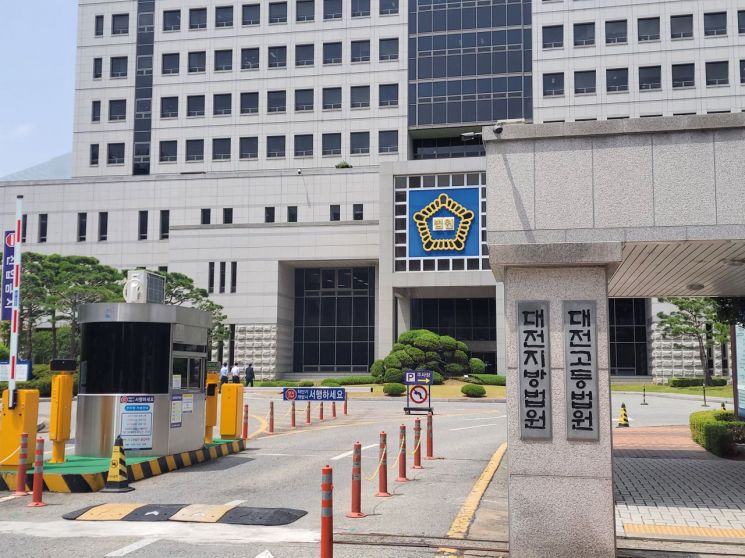
The Daejeon District Court Criminal Division 10 (Judge Kim Tae-hyun) sentenced Professor A of the Gastroenterology Department at a university hospital in Daejeon and third-year resident B, who were tried on charges of professional negligence causing death, to not guilty, according to a report by Yonhap News on the 9th.
They were prosecuted for performing a liver biopsy on a patient with acute hepatitis A on October 4, 2019, and failing to respond promptly, which led to complications causing the patient's death. Professor A was the attending physician of the deceased patient, and B was a third-year resident under A’s direction and the night duty physician in the internal medicine intensive care unit. The patient who underwent the liver biopsy suffered uncontrollable bleeding, experienced cardiac arrest early the next morning, and died at approximately 5:18 p.m. on the same day, 25 hours after the procedure.
At that time, the nephrology department of the same hospital sent an opinion to Professor A and others stating that "due to the patient's thrombocytopenia and prolonged blood coagulation time, it is not advisable to perform a kidney biopsy on the same day." The prosecution argued, "Doctors have a duty of care to foresee and avoid dangerous outcomes for patients," and "they failed to fulfill this duty by ordering a liver biopsy on a patient with blood coagulation dysfunction." They also claimed that bleeding is the most common complication of liver biopsy, and that the defendants failed to promptly recognize and respond to typical symptoms of intra-abdominal bleeding, resulting in excessive hemorrhage.
However, the court’s judgment differed. The court ruled, "In a situation where it was reasonably presumed that the patient infected with the hepatitis A virus was likely to deteriorate and progress to fulminant hepatitis, Defendant A’s plan to administer steroid treatment did not exceed the reasonable discretion of a physician." It further stated, "Performing a liver biopsy prior to steroid treatment cannot be considered a violation of the duty of care," and explained the acquittal by saying, "Since no breach of duty of care was recognized for Professor A, the attending physician, Resident B, who was under A’s direction and had no authority to decide the treatment plan, cannot be held responsible."
The court added, "Although it is true that diagnosis and treatment of bleeding were not performed in a timely manner, there were no vital sign changes or blood test results suggesting bleeding for a considerable time after the liver biopsy," and "the delay in diagnosing and managing bleeding alone does not constitute a breach of duty of care by Resident B." The prosecution appealed the court’s decision.
© The Asia Business Daily(www.asiae.co.kr). All rights reserved.

















