Sharp Decline in Catch Due to High Water Temperatures and Illegal Fishing by Chinese Vessels
Coast Guard Cheong "Plan to Operate Dedicated Crackdown Team"
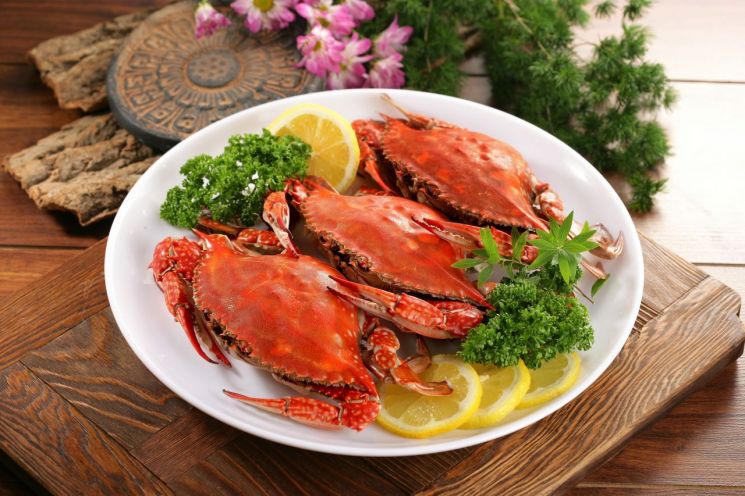
This year, the blue crab catch has been halved compared to the previous year, raising concerns among fishermen.
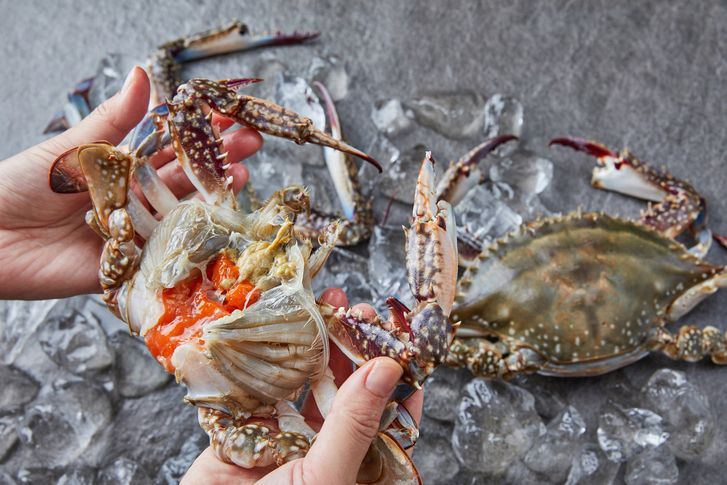
According to Ongjin-gun, Incheon City, the blue crab catch in the Yeonpyeong fishing grounds last month was 152,500 kg, which is only 48.7% of 313,292 kg recorded during the same period last year. The sharp decline in the autumn blue crab catch is presumed to be due to the unusually high sea temperatures along the West Sea coast this summer, causing the blue crab fishing grounds to disperse widely. The sea temperature along the West Sea coast last month also reached a maximum of 28.8 degrees Celsius, which is 2.2 degrees higher than the previous year's maximum of 26.6 degrees during the same period.
Regarding this, Lee Su-jeong, a researcher at the West Sea Fisheries Research Institute of the National Institute of Fisheries Science, explained, "Last year, cold bottom water from the Yellow Sea deeply flowed into the coastal area, resulting in a large blue crab catch. This year, the influence of the Yellow Sea cold bottom water was minimal, and the catch decline is analyzed to be due to a combination of factors including the continued high water temperatures."
Additionally, the increase in illegal fishing by Chinese vessels invading the Northern Limit Line (NLL) of the West Sea and nearby waters is also cited as a cause. Last month, the average daily number of Chinese vessels crossing the West Sea NLL was 156, a 26.8% increase compared to 123 vessels the previous year. During the fishing moratorium in July and August, the number was only about 60 vessels, but it sharply increased to an average of 177 vessels per day as the main autumn fishing season began.
Chinese vessels are known to illegally fish by invading the NLL mainly at night or during poor weather conditions when coast guard surveillance is lax. Notably, these vessels are larger steel ships compared to the traditional wooden boats and operate in pairs using the "ssangtamang method," dragging nets together, causing significant damage. On the 24th of last month, four Chinese vessels, including two 430-ton steel ships illegally fishing in a specific area near Daecheongdo, were seized by the coast guard, and a large quantity of catch such as sand lance was found on board.
The coast guard is currently deploying three 500-ton patrol ships, one large vessel, and three special enforcement teams near the West Sea Five Islands to crack down on illegal fishing. From mid-this month, a dedicated enforcement team composed of four large patrol ships, helicopters, and various forces will be activated to strengthen the crackdown on Chinese vessels. A coast guard official stated, "Starting from the 16th, Chinese purse seine vessels will begin full-scale fishing in the West Sea Exclusive Economic Zone permitted areas. In response, we will operate a mobile task force to proactively intensify enforcement activities."
© The Asia Business Daily(www.asiae.co.kr). All rights reserved.
![User Who Sold Erroneously Deposited Bitcoins to Repay Debt and Fund Entertainment... What Did the Supreme Court Decide in 2021? [Legal Issue Check]](https://cwcontent.asiae.co.kr/asiaresize/183/2026020910431234020_1770601391.png)
















