Limited to patients with BMI over 30 kg/㎡
The Ministry of Food and Drug Safety recently announced on the 7th that glucagon-like peptide-1 (GLP-1) class obesity treatment injections, which have recently gained significant social attention, should be used only restrictively for the treatment of obese patients.
GLP-1 is a hormone secreted from the intestines when food is ingested, which promotes insulin secretion important for blood sugar regulation and helps suppress appetite.
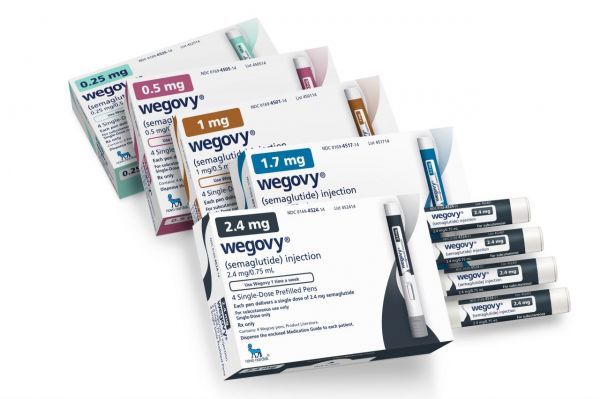
'Wegovy' by the Danish pharmaceutical company Novo Nordisk, expected to be launched domestically this month, is also a representative GLP-1 class obesity treatment drug.
The Ministry of Food and Drug Safety explained that such obesity treatment injections are prescription drugs prescribed to adult obese patients with an initial body mass index (BMI) of 30 kg/m² or higher, or adult obese patients with a BMI between 27 kg/m² and less than 30 kg/m² who have one or more weight-related comorbidities such as hypertension.
According to clinical trial results, even when used within the approved scope, obesity treatment drugs may cause side effects such as headache, vomiting, diarrhea, constipation, cholelithiasis, hair loss, and acute pancreatitis. Additionally, dehydration-induced renal function deterioration, acute pancreatitis, hypoglycemia, and retinopathy in patients with type 2 diabetes may occur, so patients with related conditions should be administered these drugs cautiously.
The Ministry of Food and Drug Safety emphasized that these obesity treatment drugs "must be used following a doctor's prescription and a pharmacist's dispensing and medication guidance," and urged users "not to sell, distribute, or purchase them personally online or through other means."
© The Asia Business Daily(www.asiae.co.kr). All rights reserved.

















