Ban on Sale of Snacks Containing Edible Dyes and Colorants
Research Shows They Cause Problems for ADHD Patients
The state of California has become the first in the United States to ban the sale of snacks containing colorants and food dyes in schools, due to concerns about Attention Deficit Hyperactivity Disorder (ADHD) in children.
According to the British daily The Telegraph on the 29th (local time), Governor Gavin Newsom signed the related bill the day before. Under the new law, public schools in California will no longer be allowed to sell snacks containing blue, green, yellow, or red food dyes or colorants.
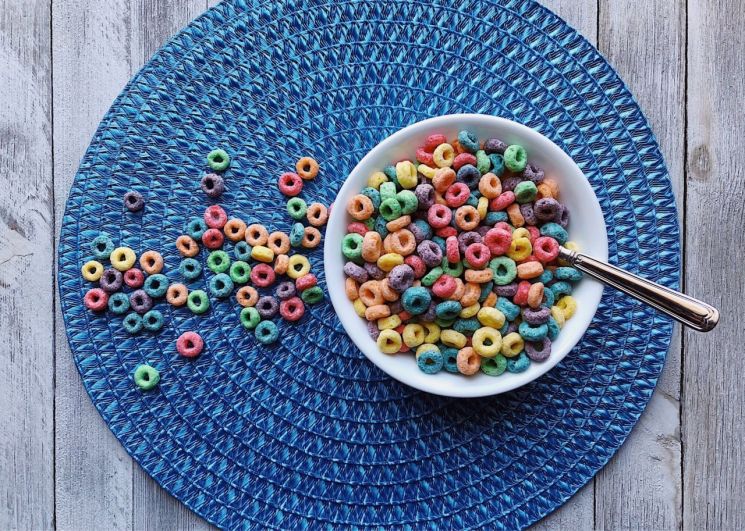
The banned food additives have been widely used in brightly colored cereal products like 'Fruit Loops', snacks such as 'Flaming Hot Cheetos', as well as sports drinks, cake mixes, and canned peas. However, these food additives have been identified as linked to hyperactivity and other behavioral problems, with research showing they cause more pronounced issues especially in individuals with ADHD, sparking controversy.
Governor Newsom stated, "The food we eat and our health are inseparable," adding, "It is not always possible to find or buy fresh and healthy food." He emphasized, "We are ensuring that everyone, including students, has access to nutritious and tasty food without harmful and addictive additives."
The ban on snacks containing food dyes and colorants applies only to public schools in California. However, the legislator who introduced the bill expects this measure to encourage manufacturers to change their food production methods. California State Assemblymember Jesse Gabriel said, "I think it is unlikely that companies will create separate versions of the same product for sale in California and Kansas," adding, "If it leads to changes in manufacturing, it will help protect children across the United States."
Meanwhile, ADHD is a disorder that primarily appears in childhood. It is diagnosed when a child shows lack of attention for more than six months, is easily distracted, overly active, and impulsive. ADHD can interfere with developmental growth, negatively affecting learning and social development, so early attention is necessary. Although the exact cause is not yet clearly identified, it is believed to result from a combination of genetic factors and environmental influences such as maternal smoking, drinking, and toxin exposure.
© The Asia Business Daily(www.asiae.co.kr). All rights reserved.

















