Scheduled to Pass Through the English Channel After Receiving Supplies on the Coast
Cargo Ship Carrying About 20,000 Tons of Ammonium Nitrate
4,000 People Affected During the Beirut Disaster in Lebanon
A ship carrying a large amount of 'ammonium nitrate,' which caused a massive explosion disaster in Beirut, the capital of Lebanon, four years ago, was rejected by several European ports and is now scheduled to pass through the English Channel. The amount of ammonium nitrate on board is seven times the scale of the Beirut explosion.

On the 26th (local time), the BBC reported, citing data from the UK Coast Guard ship tracking system, that a vessel carrying about 20,000 tons of ammonium nitrate was anchored near the coast of Kent, England, that morning.
The ship is owned by Ruby Enterprise, a corporation based in Malta, and departed from the northern Russian port of Kandalaksha in July. It is currently anchored off the coast of the UK. Typically, European ships navigate the narrow waterway between southern England and northern France known as the 'English Channel' to sail worldwide, and permission from authorities is required to leave the English Channel.
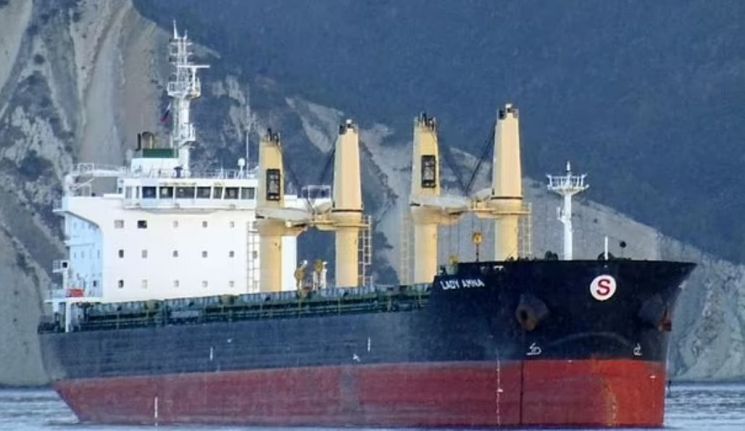 A ship carrying approximately 20,000 tons of ammonium nitrate. [Image source=Ship, container tracking site VesselFinder capture]
The problem is that shortly after leaving the Russian port, the ship reportedly ran aground briefly due to a storm. Subsequently, a Norwegian inspection team was dispatched to check the ship's condition and found damage to the hull, propeller, and rudder. However, Ruby, the ship's owner, still judged that "the ship is fit for navigation."
The ship attempted to stop at other European ports for proper repairs and refueling, but the Lithuanian port of Klaipeda refused entry. The port authority's CEO reportedly told the BBC that the reason for denying entry was "because of the cargo." Due to this, some British media outlets such as the Daily Mail described the ship as a "floating bomb that nobody wants."
The ammonium nitrate on board is primarily used as a raw material for fertilizer production. At room temperature, it is a white, small granular solid, but it poses a risk of causing a large explosion if it reacts with certain substances.
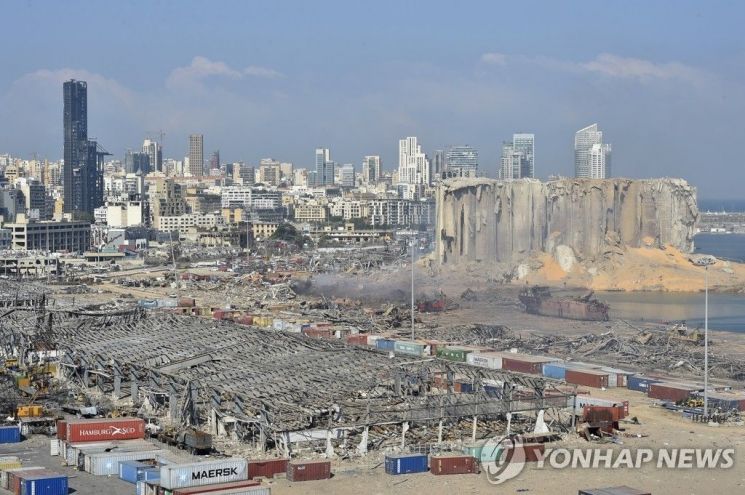
The most recent major ammonium nitrate explosion was the 2020 Beirut disaster. At that time, 2,750 tons of ammonium nitrate exploded, creating a mushroom cloud resembling a "nuclear bomb," killing at least 100 people and injuring over 4,000. The accident was investigated to have occurred when the ammonium nitrate stored in a port warehouse reacted for unknown reasons.
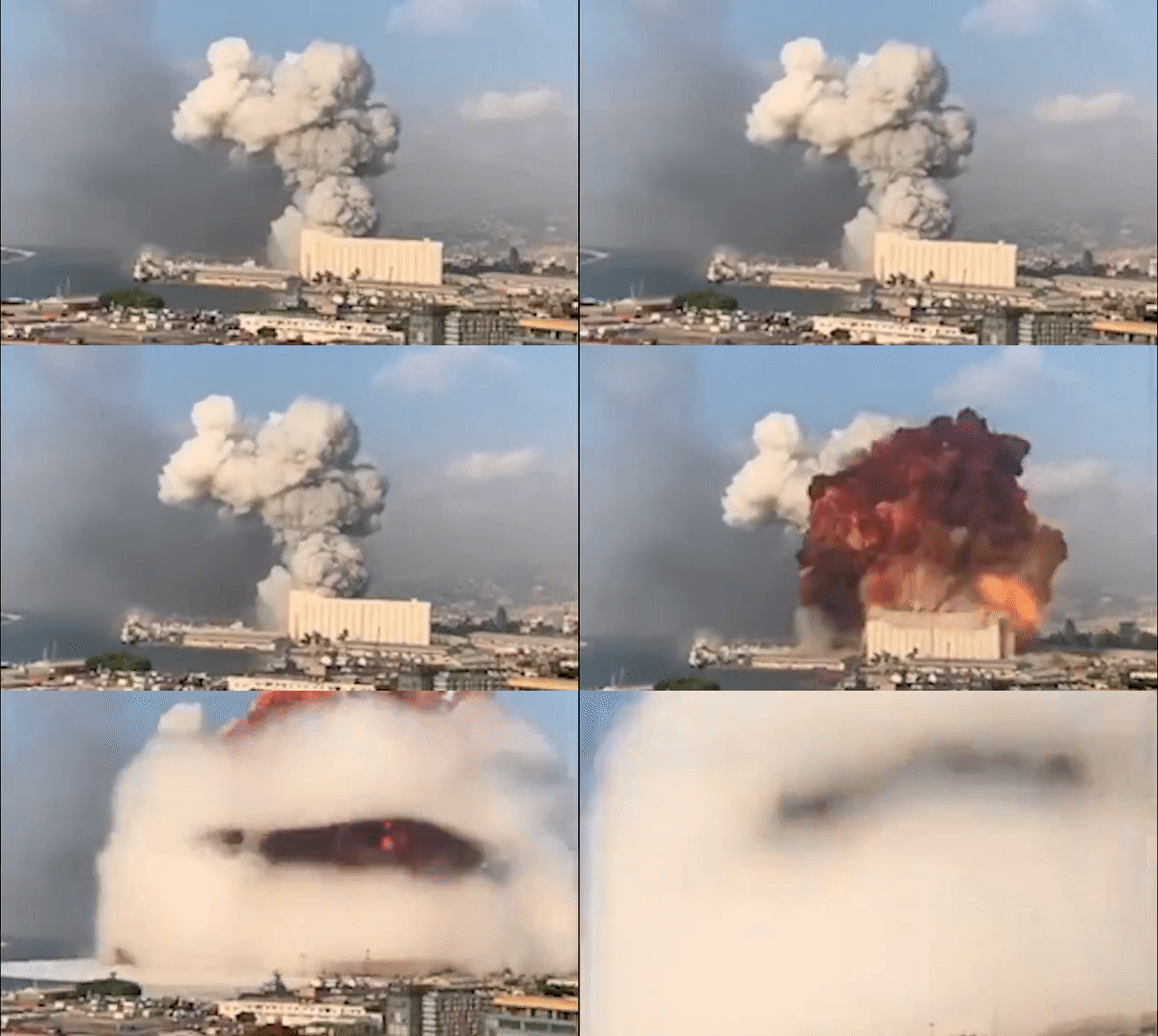
The amount of ammonium nitrate on the ship is a staggering 20,000 tons, seven times the amount that exploded in the Beirut disaster. Because of this, European and UK coastal authorities, as well as some citizens, are closely monitoring the ship's navigation route with concern.
Professor Andrea Sella of the Department of Chemistry at University College London told the BBC, "The caution shown by some European ports is understandable, but the likelihood of a disaster like the Beirut explosion occurring is relatively low." However, Professor Sella pointed out that the risk of explosion is low unless a fire occurs on board that directly transfers heat to the ammonium nitrate, adding, "The key issue is how the ship will be repaired. If welding is required, it could potentially increase the risk of fire."
Meanwhile, the UK Coast Guard is tracking the ship in real time through a monitoring system. The Coast Guard told the BBC, "Currently, the ship is safely anchored outside UK territorial waters and is waiting for conditions to refuel at sea before passing through the Channel." The Coast Guard also added that it is common practice for ships to receive refueling at sea and that they are waiting for mild weather for safety reasons.
Some are more concerned about the potential for marine environmental pollution than the risk of explosion. Marco Forgione, Secretary-General of the International Chamber of Shipping, told the media, "If ammonium nitrate were to leak from the ship and pollute the sea, the potential damage would be enormous," and explained, "If such an incident actually occurs, the ship should change its navigation route to prevent the pollutants from spreading further."
© The Asia Business Daily(www.asiae.co.kr). All rights reserved.
![Clutching a Stolen Dior Bag, Saying "I Hate Being Poor but Real"... The Grotesque Con of a "Human Knockoff" [Slate]](https://cwcontent.asiae.co.kr/asiaresize/183/2026021902243444107_1771435474.jpg)


















